



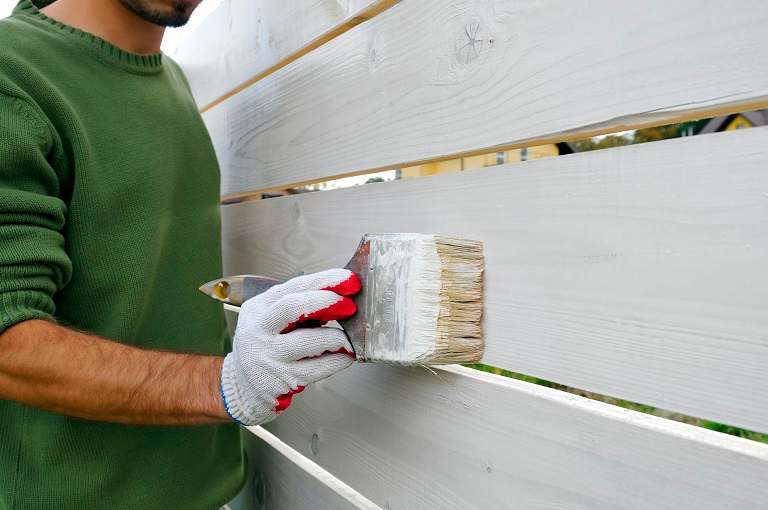
Top-rated fence painters.

Best fence painters near Clemson, SC

Enter your zip and get matched with up to 5 pros

Need a pro for your fence painting project in Clemson, SC?

Select your specific project to find the pro for you.

TRUSTED BY CLEMSON, SC HOMEOWNERS

  • Average homeowner rating star icon4.4
    Average homeowner rating
  • Verified reviews icon102
    Verified fence painting services reviews

Top-Rated Fence painters in Clemson - Updated Nov 2026

No results for Fence painter in

Try adjusting your search criteria.
Fence Painting FAQs, answered by experts

While the answer varies based on weather, 10 a.m. is a good time to start painting. The dew will have dried, meaning there’s no moisture on the house, and the temperature will likely be moderate and the sunlight less direct. Starting mid-morning should also give you enough daylight and pleasant weather to work on the job for several hours.

An exterior paint job typically lasts between 5 and 10 years, though this can range from 3 to 17 years depending on several factors. The longevity is influenced by the quality of the paint and primer, the quality of the application, the local climate, and the type of surface being painted. For example, paint on wood siding may need to be redone every 3 to 7 years, while painted brick can last up to 17 years. Aluminum siding often needs repainting every 5 years.

The best time to stain a fence is when the weather is dry and temperatures are between 50 and 90 degrees Fahrenheit. Late spring, early summer, and fall are typically the best seasons for this project. You should avoid staining during very hot weather, like in the middle of summer, or when it is raining. Heat and moisture can cause the stain to dry unevenly. Likewise, if it's too cold, such as in winter or early spring, the stain may not be able to dry fully. Before you start, check the forecast to ensure there will be no rain and low humidity for at least a few days.

Yes, you can and should paint or stain pressure-treated wood, as this helps prevent the surface from cracking. However, it is crucial to wait for the wood to dry out completely from the chemical treatment process before applying a finish. If the wood is still wet, the paint will not adhere properly. The drying time can range from weeks to six months. To test if the wood is ready, drip some water onto a board. If the water is absorbed, the wood is dry enough for painting or staining. If the water beads up on the surface, it needs more time to dry. You can build with the wood while it's still wet, but you must wait for it to dry before painting.

Applying a sealer or topcoat after staining wood is highly recommended, though not always strictly required. A sealer protects the wood from moisture, UV rays, and weather-related issues, which is especially important for outdoor surfaces like decks and fences. It also enhances the stain's durability, prevents fading over time, and gives the wood a cleaner, more professional-looking finish. For some indoor applications, a sealer may not be necessary, depending on the type of stain used and the level of protection needed. It's always best to check the stain manufacturer's recommendations and consider the wood's intended use and exposure when deciding whether to apply a sealer.

The Clemson, SC homeowners’ guide to fence painting services

From average costs to expert advice, get all the answers you need to get your job done.