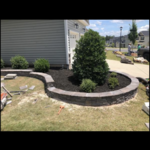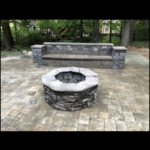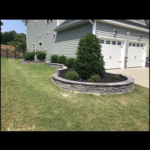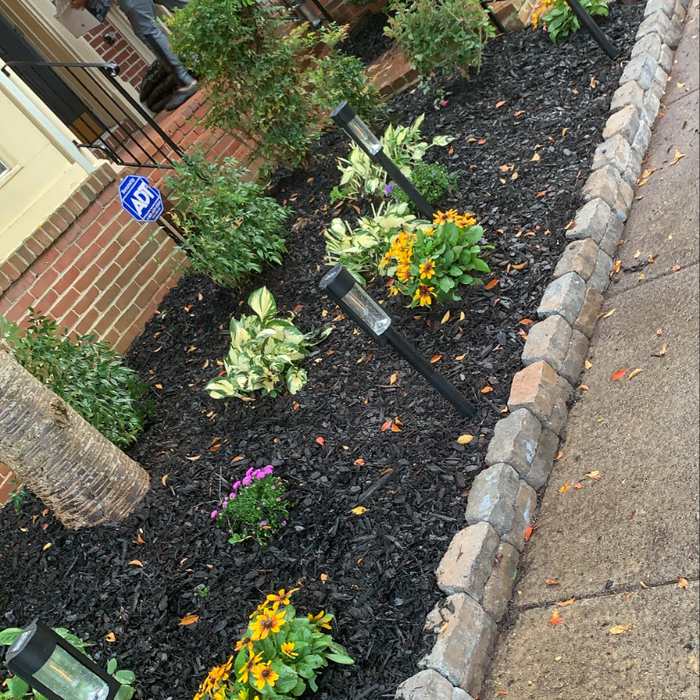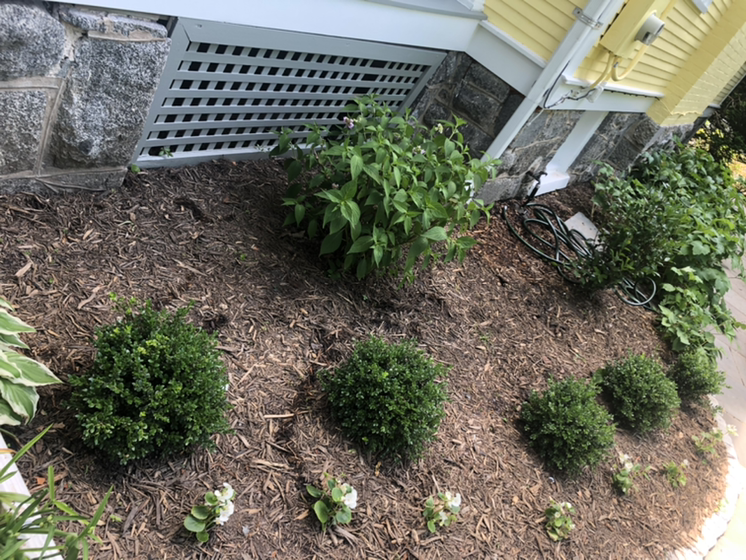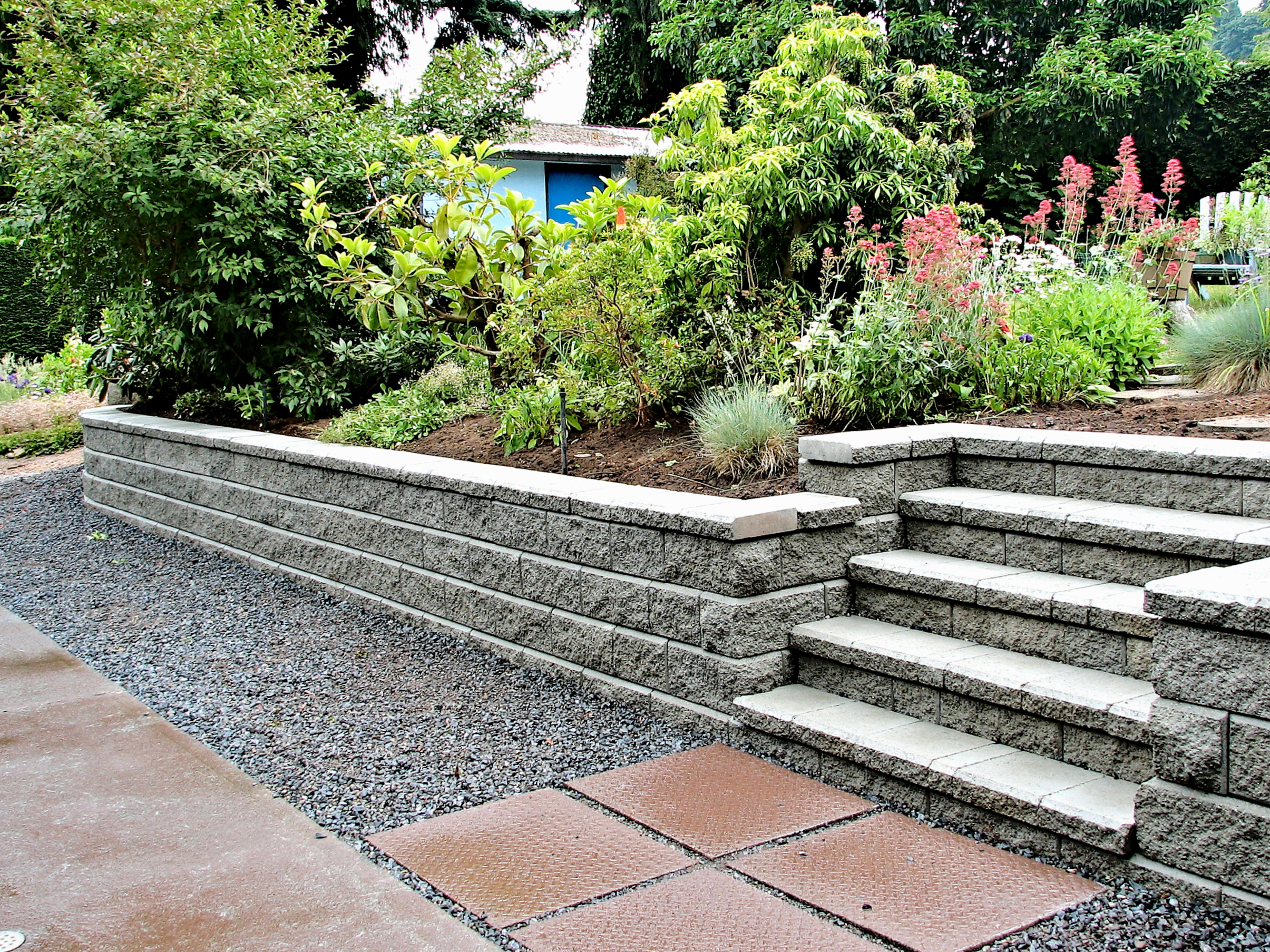








Top-rated retaining wall installation pros.

Get matched with top retaining wall installation pros in Barnwell, SC

Enter your zip and get matched with up to 5 pros

Need a pro for your retaining wall installation project in Barnwell, SC?

Select your specific project to find the pro for you.

Find Retaining wall installation pros in Barnwell

Avatar for Ideal Landscaping
Ideal Landscaping
4.5(
13
)
Retaining Wall - Install

Serving Barnwell, SC and surrounding areas

In business since 2018

Free estimates

Credit card accepted

"Ideal Landscaping did an exceptional job on my leaf removal project. Ideal Landscaping was professional and responsive in all of our communications setting up the project. They were fair in their pricing and performed an exceptional same day job. I will definitely hire them again and I encourage you to as well. Five star service!"
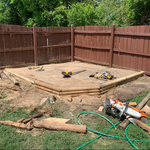
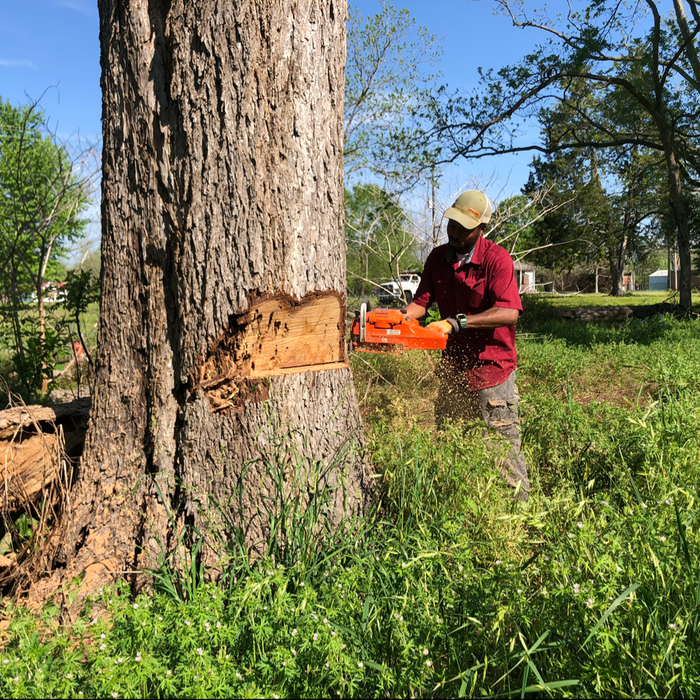
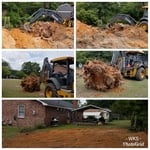
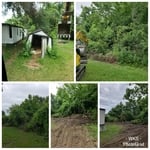
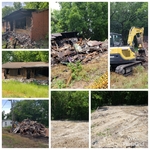
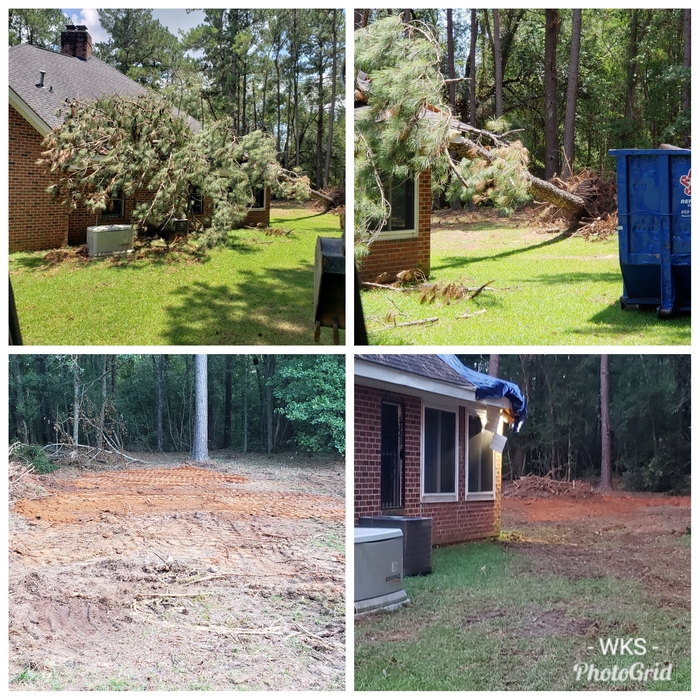
Tree Service Project
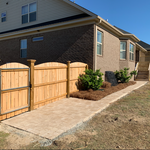
Additional Photos
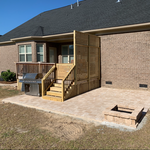
Additional Photos
Additional Photos
Additional Photos

+5

Recommended by83%of homeowners
CALVIN JOHNSON MASON
3.0(
4
)
Retaining Wall - Install

Serving Barnwell, SC and surrounding areas

In business since 1979

Free estimates

"Calvin Johnson did an outstanding job bricking my patio. Not only is he professional and dependable, he was able to provide advice on the best material, style of the bricks and layout so that the results were even better than I expected. Absolutely beautiful work - he is an expert at masonry! Thank you Calvin and company for improving the value of my home!"
Recommended by100%of homeowners
Showing 1-10 of 11
Retaining Wall Installers questions, answered by experts

Rebar is a steel support that goes inside concrete to prevent structural damage over time. Concrete is susceptible to impact, weight, and tension. By inserting rebar into the concrete during the installation, you can help extend its lifespan and avoid hazardous situations where the foundation of your home gives way to tensile forces.

While vinyl is the least costly material for building a retaining wall, the most cost-effective method is to use wood or concrete blocks for a DIY retaining wall under 2 feet tall. Wood is inexpensive but lasts 20 years or more with care. Concrete can cost a little more but is stronger and will last longer with less maintenance.

Sand and gravel are two suitable options for filling behind a retaining wall. If you’re building your own retaining wall, you’ll complete this part of the process—known as backfilling—after you finish laying the blocks. Make sure not to skip it—otherwise, you could wind up with drainage issues, which can cause your retaining wall to collapse.

With foundation walls, the slab on grade and force at the top of the wall is resisted by flooring. With retaining walls, the force at the top of the wall is not resisted.

Most railroad tie retaining walls have a life span of 20 to 30 years, though you may need to replace your wall sooner if it’s repeatedly exposed to heavy rain, runoff, and excess moisture. Railroad ties are typically treated with creosote, which makes them much more durable than untreated wood. Though they last longer, they don’t last forever. For the most longevity, make sure your retaining wall has a sturdy base and steel reinforcements. You should also install drainage to direct water away from the wall.

The Barnwell, SC homeowners’ guide to retaining wall installation services

From average costs to expert advice, get all the answers you need to get your job done.