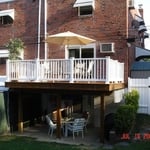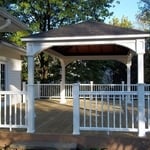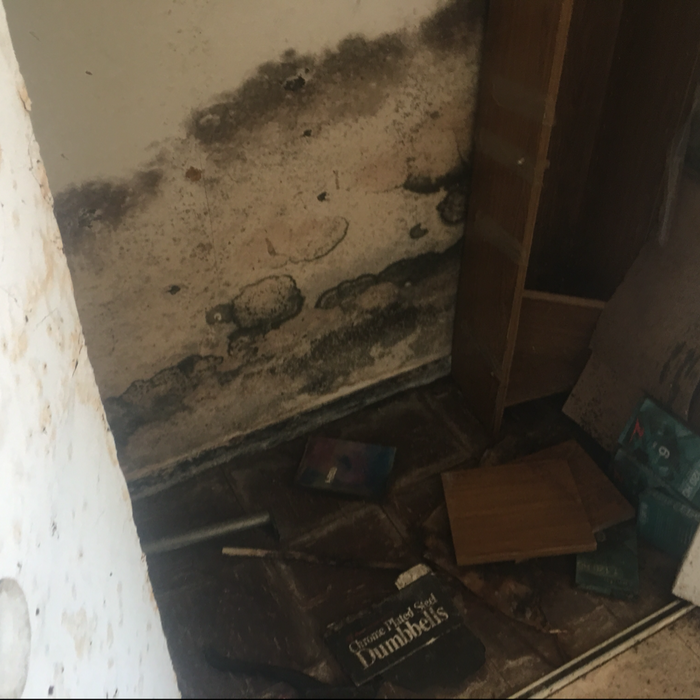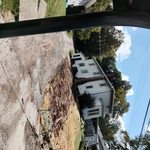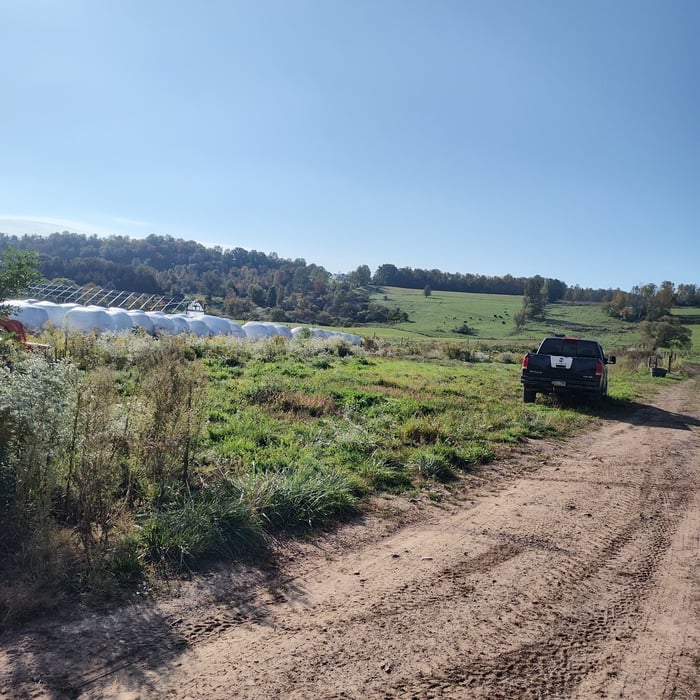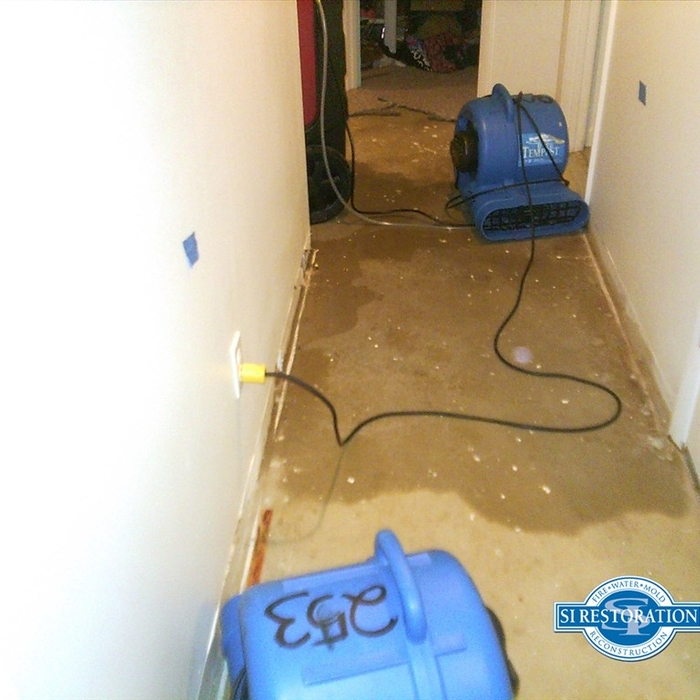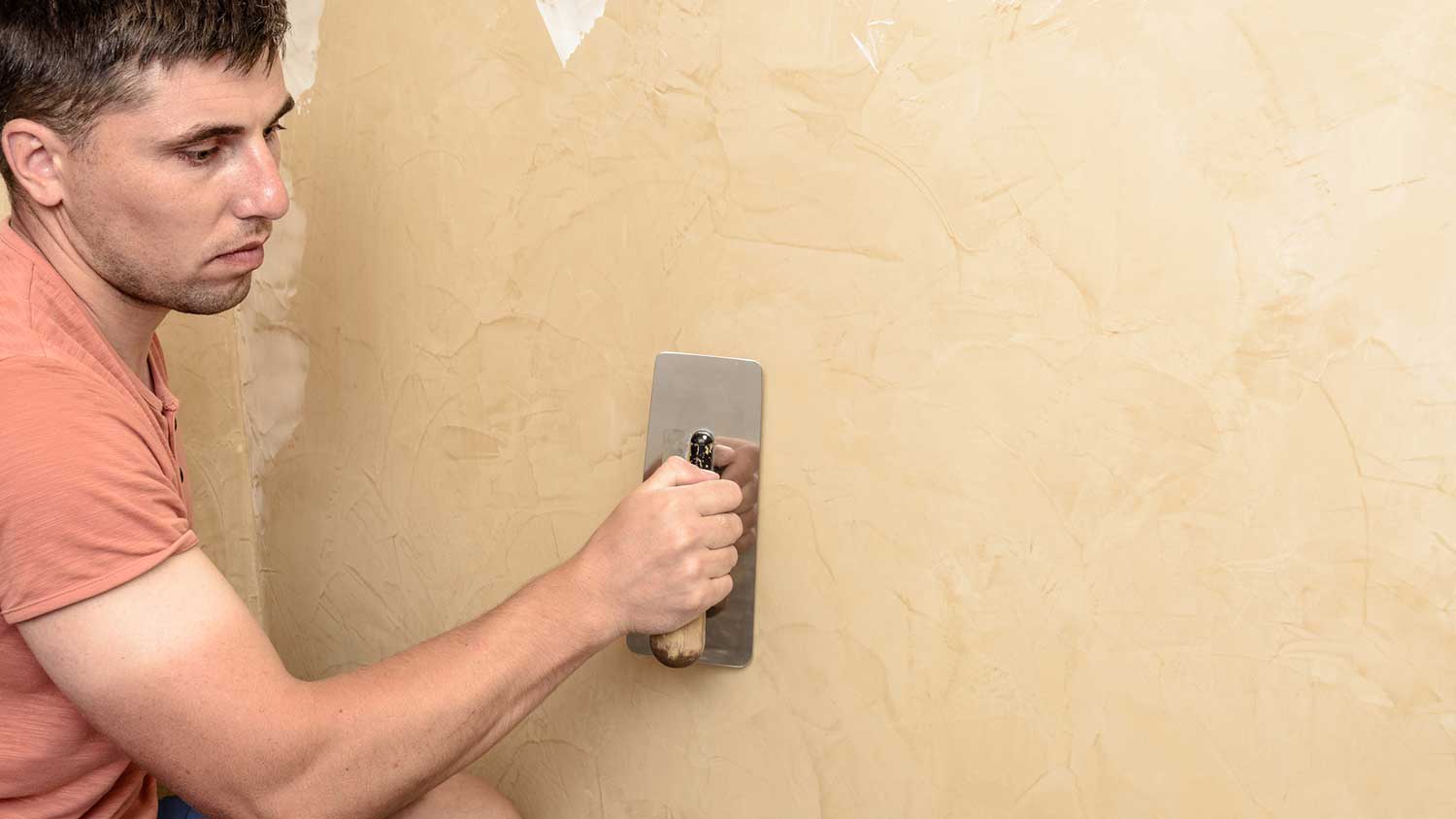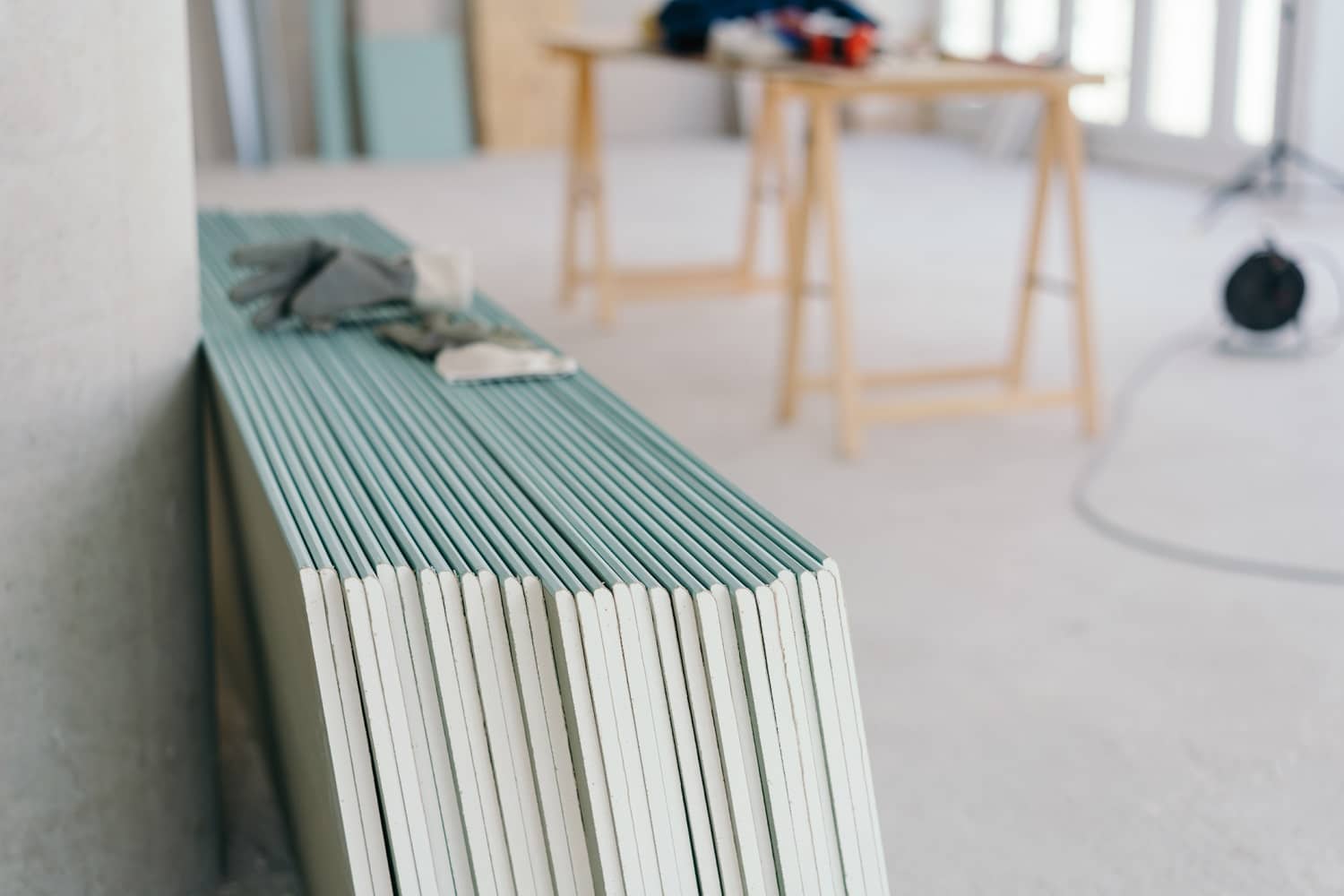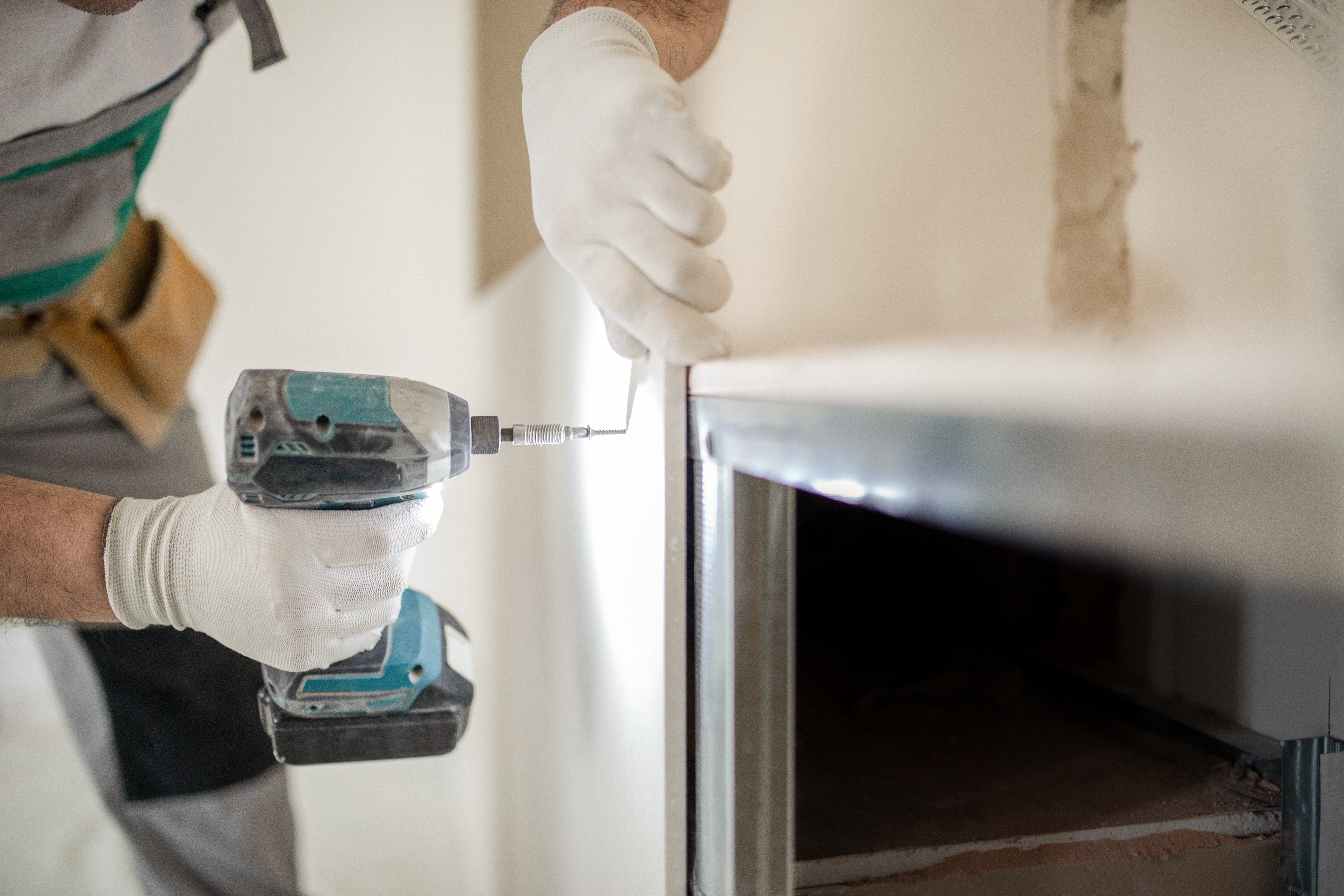






Services from small to big home repair/ maintenance. Doors, windows, siding, roof repair, decks, small remodeling, electrical, plumbing, home fixtures and even drywall repair and finish painting. Small to large Handyman projects needs.\n
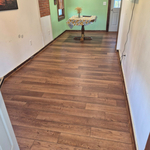
Rock-A-Fellas Contracting is dedicated to providing quality product at affordable prices. \n\nRock-A-Fellas Contracting Company is a subchapter S corporation and is fully licensed and insured.\n\nAttention to detail is our trademark. The end product is exceptional in quality while still being affordable.\n\nRock-A-Fellas Contracting can service all of your home improvement needs - inside and out. From renovating your kitchen or refinishing your basement to installing new fences, entry doors or windows.\n\nWe speccialize in site preparation. Our customized foundations provide the needed stable and secure base for your structure. They are visually more appealing than traditional cinderblocks as well as more economical than cement pads.\n\n
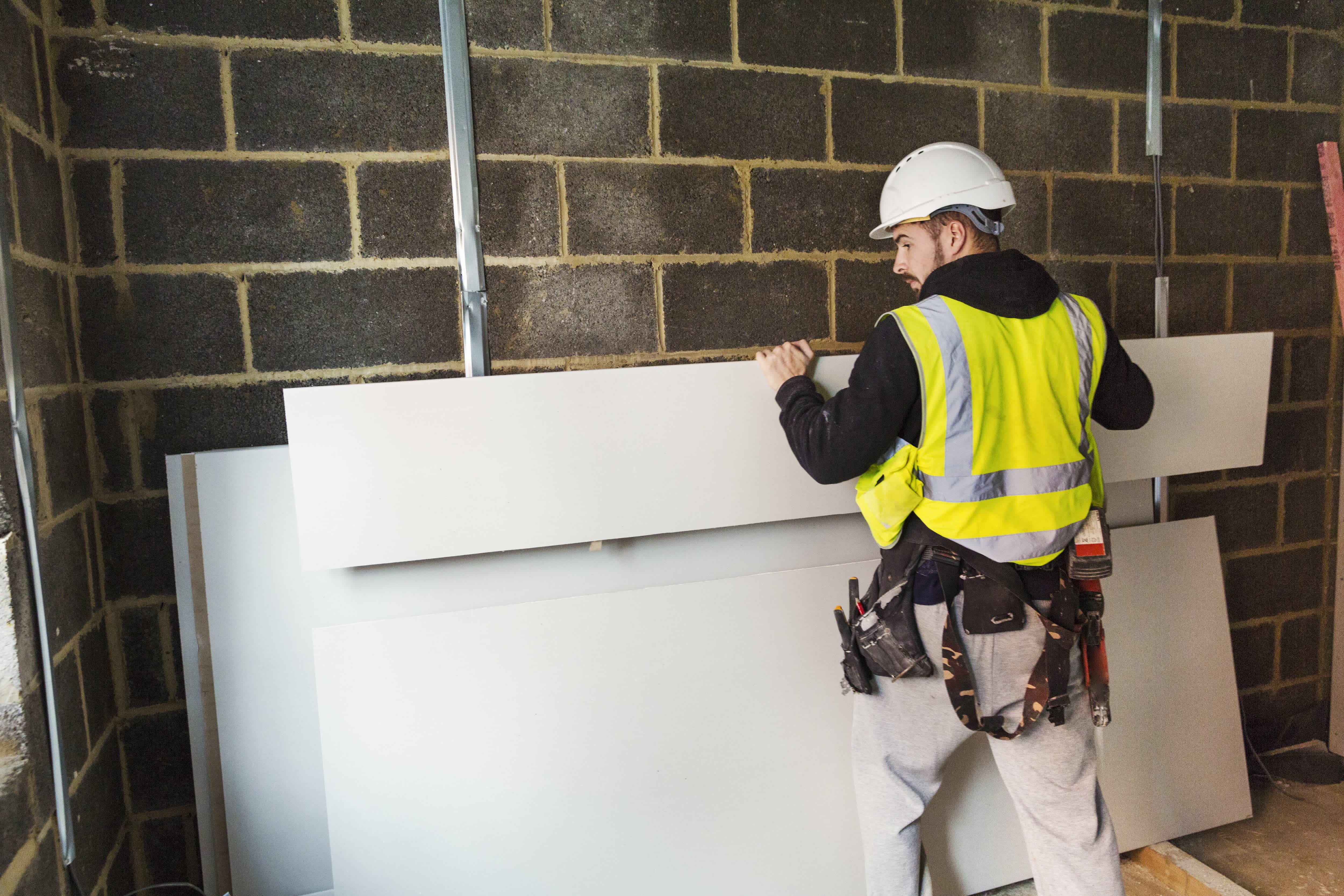
At Buddy's Quality Construction LLC, we understand that your home is your biggest investment. That's why we prioritize direct, reliable, and honest communication with our clients. We believe in transparency and keeping you informed every step of the way, so you can trust that your project is in good hands. We offer a wide range of services, including excavation and construction, to help you transform your home into the space of your dreams. We have the skills and expertise to handle any task with precision and attention to detail. What sets us apart from our competitors is our commitment to providing exceptional customer service. We offer free estimates, quick response time and competitive pricing to ensure that you get the best value for your money. As a veteran-owned and operated business, we hold ourselves to the highest standards of professionalism and integrity. We take great pride in serving our community and our country, we guarantee a 1 year satisfaction Warranty.
"John Schuber from the company visited on both days while workers were here. Both remediation technicians were professional, courteous, arrived at appointed time, and worked a full day. Always covered floor in our entryway so would not mar it. Technicians wore protective equipment and changed their suits 3 times daily. First day, erected containment area at top of basement stairs, removed moldy drywall and applied sealant to concrete wall, wiped down entire area and all items in that area with chemical to kill all mold and spores, vacuumed area with HEPA filtered equipment, ran air scrubbers all day and overnight. Second day wiped down entire area and items again with chemical, revacuumed area with HEPA filtered equipment, and left air scrubbers to run a couple of days over Christmas. Returned and removed their equipment and containment material. "
"Efram was professional and know what he doing and we are satisfied with his wonderful skills and Job done. But still my drywall need to be finished since he opened the wall to do his job And was told to request service for that. So far I am thankful"
We pride our company on reliability, great communication, integrity, and quality work. We are experts in our trade and will do our best to keep you as educated as we can on your particular task or project. We look forward to earning your business.
You should wait at least 24 hours for drywall mud to dry before sanding or applying another coat. However, the exact drying time depends on several factors, including the thickness of the application, room temperature, humidity, and the type of compound used. Thicker layers, or projects in high humidity, may require 48 hours or more. Lightweight compounds tend to dry faster than heavier, all-purpose ones. You'll know the mud is ready when it feels completely dry and firm to the touch and has changed to a consistent light color. Sanding too early can cause smudging or gouges, so patience is essential for a smooth finish.
You can put drywall mud over paint to even out the surface or entirely resurface it. Sand the surface with 280-grit sandpaper, vacuum the debris and dust with a shop vac, and clean it with a slightly damp cloth. Allow the surface to dry. Apply drywall primer, especially if you’re skim-coating an entire wall. Apply the right type of drywall mud over the surface and smooth it with a trowel. Allow the layer to cure fully, then sand it before applying another layer or painting it.
Fixing ceiling nail pops involves similar steps to wall repair, with the major difference being the orientation of the work. Ceiling nail pops can be more challenging because you may need to work overhead, which can be physically demanding and require additional safety precautions. Additionally, the ceiling may have different materials or finishes, such as textured surfaces, which can affect the repair process. Otherwise, the fundamental steps are the same.
Plaster walls typically last between 30 and 70 years, but depending on the quality of the materials and the moisture levels in the building, they can last for over 100 years. With expert application and consistent maintenance, plaster can even last for centuries. To extend its lifespan, it is important to have the plaster professionally installed, address any water damage promptly, and repair small cracks as they appear. Regular inspections by a professional can help identify and address concerning cracks before they become significant issues.
Although they have similar applications, spackle and joint compound are not the same. Their primary differences lie in their composition, consistency, and ideal use cases.
Spackle is composed of gypsum and binding agents, making it thicker than joint compound. It dries quickly and is easy to sand, which makes it ideal for small wall repair projects like filling nail holes or patching minor damage.
Joint compound, also known as drywall mud, consists of limestone and gypsum. It is primarily used for large-scale projects, such as taping and finishing the seams on newly installed drywall. It tends to shrink more than spackle and can be more difficult to spread.
While both products can be used to fill small depressions and cracks, spackle cannot replace joint compound for taping and mudding new drywall. Conversely, you can often use joint compound for small patching jobs typically done with spackle.
The Wysox, PA homeowners’ guide to drywall services
From average costs to expert advice, get all the answers you need to get your job done.
Installing drywall is the most common way to finish your home’s interior. Use this drywall installation cost guide to see what your project is likely to cost.
Whether you want to spruce up a few dents and dings or fix a large surface area, investing in drywall repair costs can return your walls to a smooth, flush look.
Can you put drywall over drywall to cover old, damaged or cracked plaster walls? Read our guide to determine if this is the right solution for your walls.
The terms drywall and Sheetrock are often used interchangeably, but one is a brand and one is a specific product. Find out which one you need in this guide.