



Top-rated drywall pros.

Best drywall pros near West Reading, PA

Enter your zip and get matched with up to 5 pros

Need a pro for your drywall service project in West Reading, PA?

Select your specific project to find the pro for you.

TRUSTED BY WEST READING, PA HOMEOWNERS

  • Average homeowner rating star icon4.6
    Average homeowner rating
  • Verified reviews icon79
    Verified drywall services reviews

Top-Rated Drywall pros in West Reading - Updated Nov 2026

Avatar for A Fresh Look
A Fresh Look
4.8(
83
)
Drywall - InstallDrywall - RepairDrywall - Repair - For Business

Serving West Reading, PA and surrounding areas

Approved

In business since 2010

Free estimates

Emergency services offered

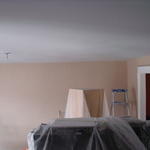
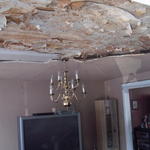
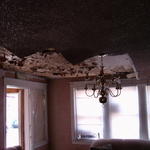
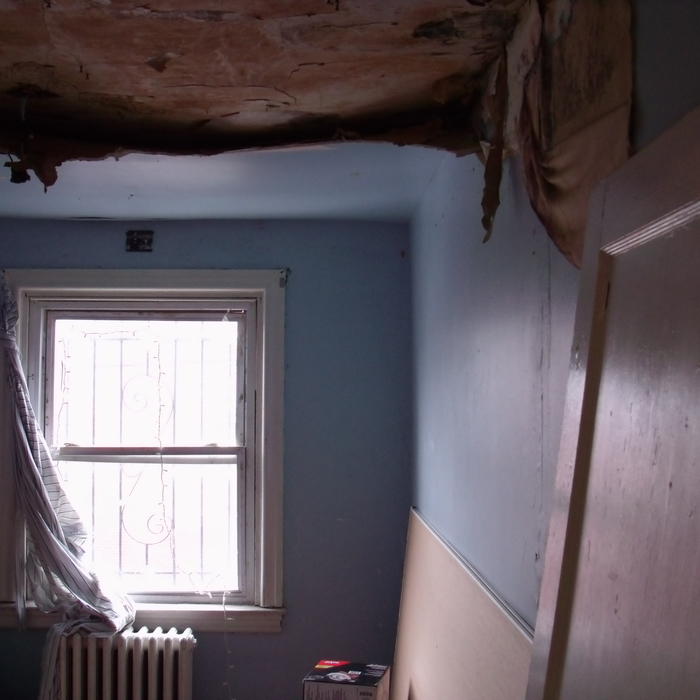
"Fidelis was quick to answer my request for a quote, and after a few emails and pictures he requested of the damage, he quoted me. He told me he was quite busy at the moment, but I was not in a great hurry. Soon after, he got back to me and said he could do my job the following week. He arrived as scheduled and did a marvelous job - protecting everything around the areas where he was working with drop cloths and plastic sheeting taped up to the walls. He got the job done in one day, and even though he did not finish till almost 6PM, he did not charge me for anything additional. He cleaned up so well, it was hard to tell anyone was there. Better yet, when I look at my ceilings now, it is hard to tell there was ever any damage - and I did not even paint the repaired areas yet! I would recommend Fidelis to anyone needing sheet rock repair."
drywall repair
drywall repair
drywall repair
drywall repair
drywall repair

+7

Response time1 day
Response rate100%
Recommended by98%of homeowners
Keystone Drywall & Constr
4.2(
10
)
Drywall - RepairDrywall - InstallDrywall - Install - For Business+1 more

Serving West Reading, PA and surrounding areas

Approved

In business since 1983

Free estimates

Offers commercial services

32 yrs experience in Drywall hanging and finishing \n20 yrs experience with new home construction/additions/basement remodel. Your satisfaction is very important to us, and we won?t leave until the job is done right. We pride ourselves on the quality work we provide, while delivering great customer service! Check out our services offered and call or click to schedule a free estimate today.

1 neighbors recently requested a quote
Recommended by62%of homeowners
...
Showing 1-10 of 284
Drywall FAQs, answered by experts

You should stagger drywall sheets to help prevent cracking. The joints between drywall sheets are the weak spots, so if you install drywall with seams aligned, you’ll create weak lines that run across the length of the wall and extend from floor to ceiling. But when you stagger drywall, the solid sections of panels will support the joints. This can prevent seams from cracking or separating due to fluctuating temperature and humidity, vibrations from movement inside the home, and gravity.

Yes, you can use drywall repair techniques for some types of plaster damage. Tiny holes and small cracks in plaster can be patched in similar ways to drywall. You apply the necessary compound to fill the hole, wait for it to dry, then sand it down. For larger damage, like water damage or mold, you need to use plaster-specific techniques and materials.

If you’re looking for a reliable plaster repair company, you should start by researching local companies in your area and reviewing their status with the Better Business Bureau. Next, you can contact the potential companies to ask about experience levels, get a list of references, and ask for examples of past work. If you have a textured wall, consider asking if they have examples or references for that particular texture. This method should help you narrow your search even further. You may also want to ask each company if they provide a warranty for their work.

Yes, drywall nail pops are a common occurrence in homes, both new and old, resulting from the settling and shifting of the structure over time. Though not present in every room or on every wall, encountering nail pops in different sections of a home is not unusual, particularly if the temperature, humidity, or foundation has experienced changes.

Although they have similar applications, spackle and joint compound are not the same. Their primary differences lie in their composition, consistency, and ideal use cases.

Spackle is composed of gypsum and binding agents, making it thicker than joint compound. It dries quickly and is easy to sand, which makes it ideal for small wall repair projects like filling nail holes or patching minor damage.

Joint compound, also known as drywall mud, consists of limestone and gypsum. It is primarily used for large-scale projects, such as taping and finishing the seams on newly installed drywall. It tends to shrink more than spackle and can be more difficult to spread.

While both products can be used to fill small depressions and cracks, spackle cannot replace joint compound for taping and mudding new drywall. Conversely, you can often use joint compound for small patching jobs typically done with spackle.

The West Reading, PA homeowners’ guide to drywall services

From average costs to expert advice, get all the answers you need to get your job done.