




Top-rated generator install pros.

Best generator install pros near Tullytown, PA

Enter your zip and get matched with up to 5 pros

Need a pro for your generator install project in Tullytown, PA?

Select your specific project to find the pro for you.

Top-Rated Generator install pros in Tullytown - Updated Nov 2026

Avatar for Princeton Electrical Makeover LLC
Princeton Electrical Makeover LLC
4.5(
210
)
Fixed Generator - InstallFixed Generator - RepairGenerator - Install+2 more

Serving Tullytown, PA and surrounding areas

Approved

Super Service Award Winner

In business since 2008

Free estimates

Emergency services offered

"This afternoon Trevor came to my house to repair an outlet. He was knowledgeable, and explained how he would proceed with the repair. He worked quickly and efficiently, and it should be noted he cleaned up upon completion. I would highly recommend Princeton Electrical in the future. Trevor was excellent."
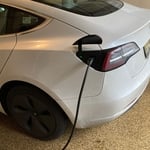
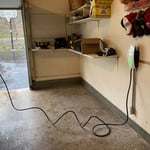
Tesla in charging status
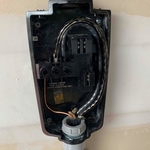
Wiring Tesla Wall Connector
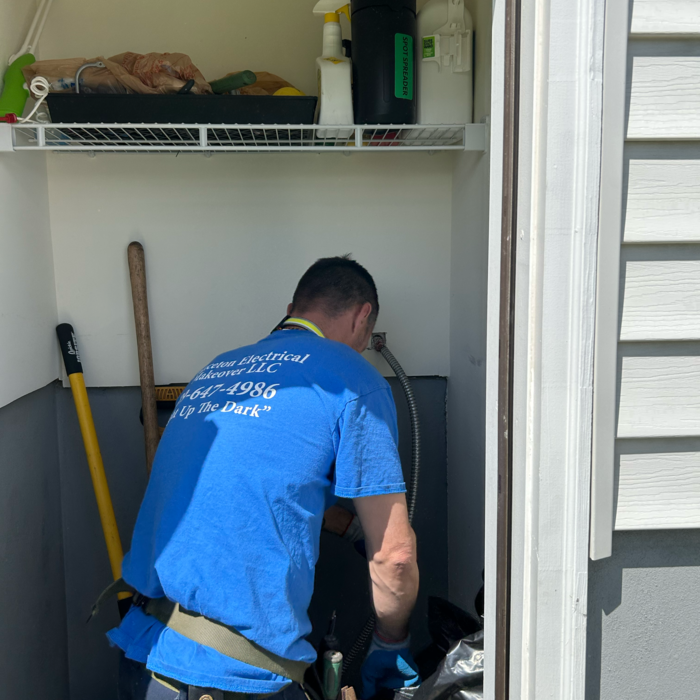
Full installation
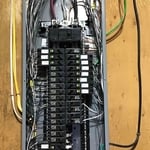
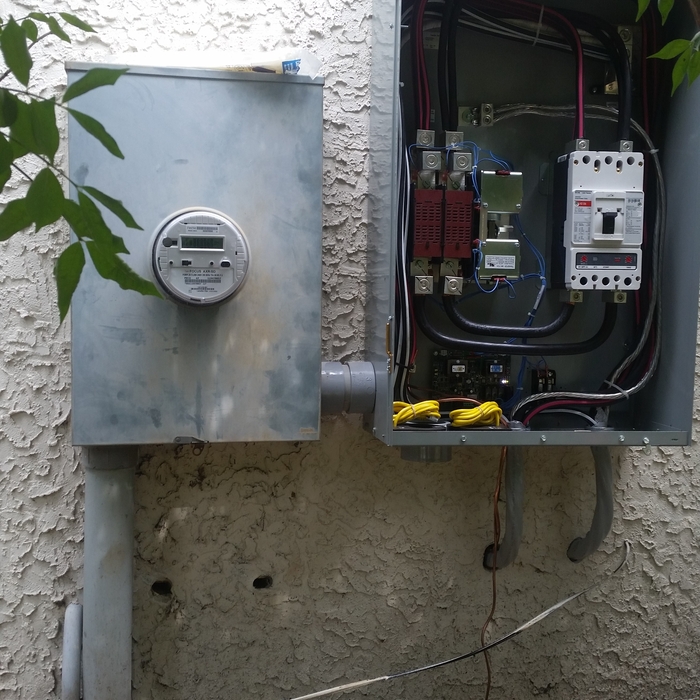
Connection in the panel
Additional Photos

+26

Response time2 days
21 neighbors recently requested a quote
Recommended by86%of homeowners
Avatar for Star Bright Electric
Star Bright Electric
5.0(
39
)
Portable Generator - Install

Serving Tullytown, PA and surrounding areas

Approved

Super Service Award Winner

In business since 2015

Free estimates

Emergency services offered

"Exceptional customer service - not only did they install the fixtures, but also troubleshoot and fixed wiring issues left by previous contractor. Will hire again for any future projects."
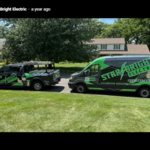
Our Trucks
Response time11 hrs
Response rate99%
2 neighbors recently requested a quote
Avatar for Deshko Services LLC
Deshko Services LLC
5.0(
9
)
Fixed Generator - InstallFixed Generator - RepairGenerator - Install - For Business+2 more

Serving Tullytown, PA and surrounding areas

Approved

In business since 2025

Free estimates

Credit card accepted

"We had personal EV charging station installed by this business' technician. He is very professional, explained all options how to get wires from main electric panel to the other side of the house where it would be convenient for us to charge the car. Provided all required materials and get job done fast and safely, made sure everything works properly."
2 neighbors recently requested a quote
...
Showing 1-10 of 134
Generator Install FAQs, answered by experts

To determine the right size generator for your house, you should calculate the total wattage of the appliances and devices you want to power during an outage. List all essential items, note their start-up wattages, and add them together.

Here are some typical wattage requirements for common appliances:

  • Refrigerator: 600 watts

  • Large dehumidifier: 700 watts

  • Large window air conditioner: 1,400 watts

  • Water heater: 3,000 to 4,500 watts

  • Electric furnace: 5,000 to 25,000 watts

A 7,500-watt generator might be sufficient for essentials like a refrigerator, freezer, well pump, and lighting circuits. However, for high-demand items like a water heater or furnace, a whole-home generator is a better choice. A portable generator may be enough if you only need to power a few critical items.

While home square footage can offer a rough estimate, it is not always a reliable indicator. For reference, here are some typical generator sizes based on square footage:

  • 1,000 sq ft: 6–9 kW

  • 1,500 sq ft: 7–10 kW

  • 2,000 sq ft: 10–14 kW

  • 2,500 sq ft: 12–16 kW

  • 3,000 sq ft: 16–20 kW+

For the most accurate sizing, consult a professional who can calculate your home's peak and average power consumption and recommend the optimal generator.

Generators are safe to use as long as they are installed and operated correctly according to the manufacturer's recommendations. The most critical safety tips are to never use a portable or fuel-powered generator inside an enclosed space due to the risk of lethal carbon monoxide poisoning; always operate it outdoors where fumes can dissipate away from your home. Additionally, never attempt to connect a generator to your home’s electrical panel yourself—hire a professional to ensure the setup meets safety standards. Finally, avoid overloading the generator by not connecting more appliances than it is rated for, as this can damage your equipment or cause a fire.

Natural gas generators are designed to run for extended periods of time, such as power outages during a natural disaster. Since there’s no limit to the supply of natural gas, they don’t need to stop for refills. However, generators do need maintenance, including pauses to check and add oil. Constantly running them will also cause a lot more wear and tear, leading to a shorter lifespan.

No, you should never plug a generator directly into a wall outlet in your house. This practice is extremely dangerous, often illegal, and can cause "back-feeding," where power from the generator flows back into utility lines, creating a life-threatening hazard for utility workers. It can also damage your home's electrical system, including appliances like pumps and HVAC fans. If the main power is restored while the generator is connected, it can destroy the generator and cause an electrical fire. To safely connect a generator, you must use a professionally installed transfer switch or an interlocking kit, which prevents back-feeding by disconnecting your home from the utility grid before the generator provides power.

A 10,000-watt generator can run a small to mid-sized central AC unit (typically up to 3 tons or 36,000 BTU) along with a few other appliances. However, larger AC units or additional loads will require a bigger generator. Consult a local generator installer to ensure you add the correct size generator to your home.

The Tullytown, PA homeowners’ guide to generator installs

From average costs to expert advice, get all the answers you need to get your job done.