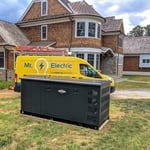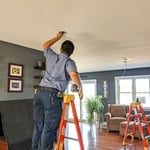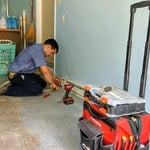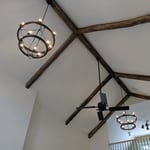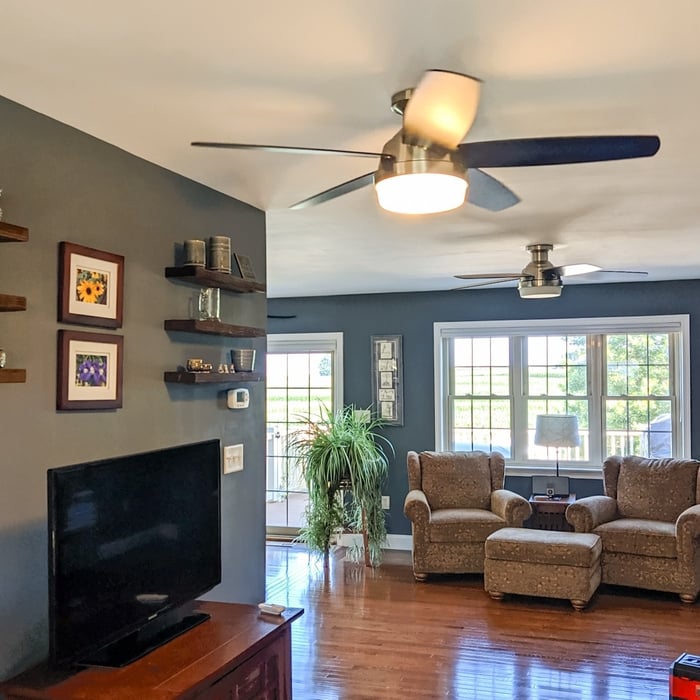


"Lovely installation of three ceiling fans with lights in three of my bedrooms. They also installed a new 20 amp cable to my new microwave above the oven. Nice technicians too! I am impressed with their work!"

"Great! Everything was done in a reasonable time, at reasonable cost and in a highly professional manner. Communication was way above average. They had a call for an emergency need for another client and this was explained with enough detail so that it was clear that they needed to fix the other client's problem as a priority because of the safety risk involved with their problem, so I agreed with their choice to reschedule my work. I have enough knowledge of what needed to be done to do the jobs I requested to know that the work was done very well and very efficiently. I am very happy with the results and wish I had installed the ceiling fan years ago. "
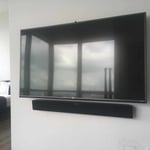
"I hired Juan to mount a TV on the wall at my house. He was prompt and very nice! He also helped me to install a new router and get my devices connected. Highly recommended for excellent service!"
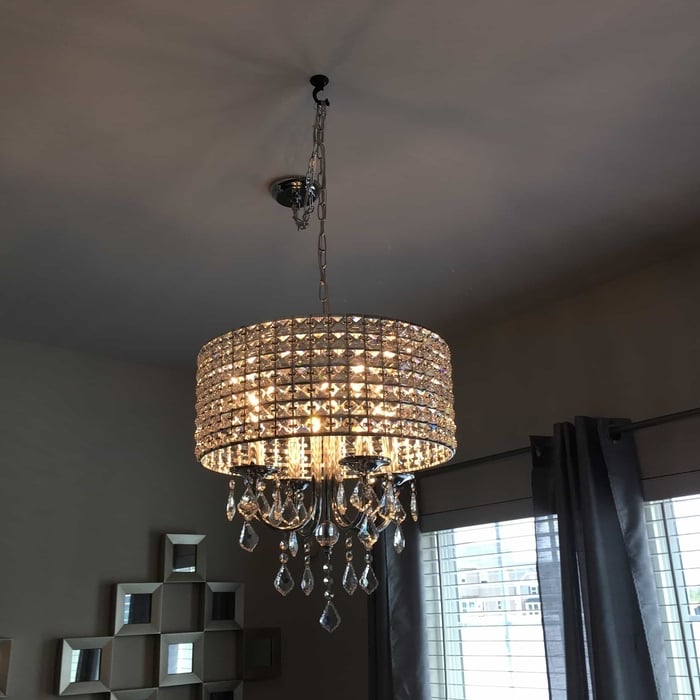
"Both my adult son and I recently hired Kevin for electrical work: ceiling fan installations; upgrading can lights to digital lights in the kitchen; installing new ceiling light fixtures; and switch upgrades to dimmers. Several of these tasks were more challenging than simple switch-outs, requiring innovative solutions to make the products we purchased fully useable in our residences. Kevin is just superb to work with--on time; fair and reasonable pricing; pleasant and professional--if I could give more than 5 stars I would!"
"Glenn and his team were super awesome and professional throughout the process of installing 4 fans and 6 recess lights. They were punctual and respectful of my home... Cleaned up at the end of everyday. Price was below what others were charging for the same job and quality of work was beyond my expectations. I have no hesitation in recommending them to other electrical and wiring projects. Thank you Glen."
"Had Jason do some electrical work in my basement, quality work and a great price! Jason is very knowledgeable and responsive to any questions. Highly recommend!"
I have over 30 years of electrical experience. Residential, Commerical, and Industrial construction and maintenance. Communications, Television, single phase, three phase, 120/240, 120/208, 277/480, 347/600, 480 Delta, and some high voltage 13.2 kv and 36 kv. Solar panels installation, wind mill installations, and many equipment installations.
"They kept me up-to-date of the time that they would be at the house, The technician was able to get the water heater up and running in about two hours."
"Haller removed an old ac system and replaced it with a heat pump. The work included installing an additional return in the family room (split level home) to return air from the lowest point in the house. The crew was knowledgable, their work was neat, and they cleaned up at the end of the day. The work was completed in 2 days and the new Carrier system works great so far. Looking forward to see how it performs next fall and winter."
It can be a daunting task looking for not only the right contractor for your job but also the right contractor for you. We completely understand what you are going through. We know every customer has different desires, different needs and different schedules. We are not only here to turn your ideas into reality but to make it a memorable experience every step of the way. Call us right now, no matter where you are in the planning process.
The direction your ceiling fan spins helps create comfortable airflow in your home and can also help cut down on energy costs.
During summer, your ceiling fan should spin counterclockwise. This will push cooler air downward in a column and help lower your room’s air temperature. In the winter, set your ceiling fan to spin clockwise and at the lowest speed setting. This will pull cool air upwards, displacing the warm air that pools towards the top of your ceiling and bringing it down towards the floor.
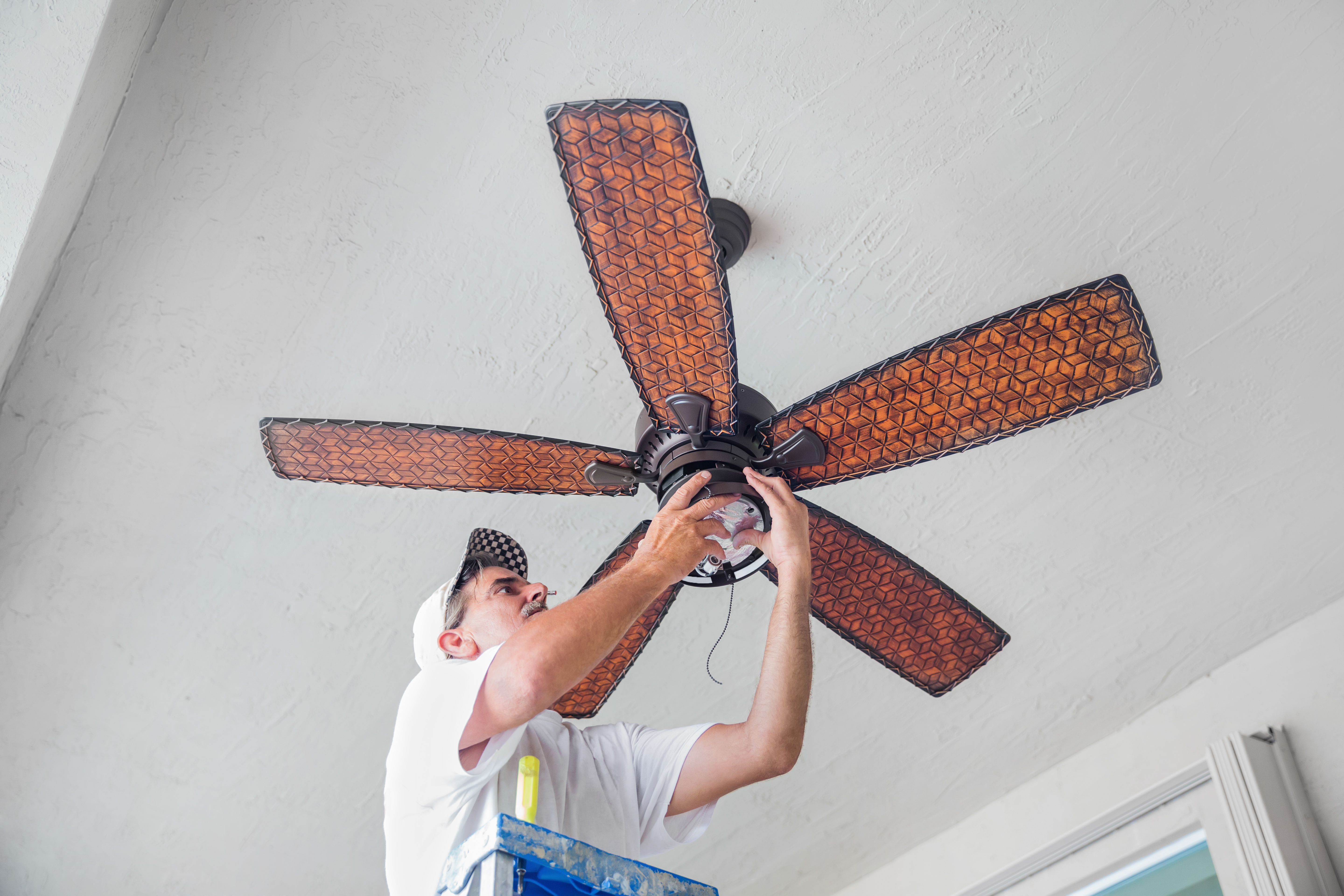
Yes, you can install a ceiling fan where a standard light fixture is, as the electrical wiring is often similar and may not need to be replaced. The most important step is to ensure the ceiling can support the fan's weight and motion. You will need to replace the existing light fixture's electrical box with a fan-rated electrical box, which is specifically designed to handle the extra weight and vibration. These boxes will be labeled as suitable for ceiling fan support and will indicate the maximum weight they can hold. Before you begin, also consider if you need an extension rod for a high ceiling or a special mount for an angled ceiling.
To determine if your ceiling box can support a fan, you must check if it is specifically fan-rated. Manufacturers are required to indicate this on the box itself. You may need to remove the existing light fixture to look inside the ceiling box for an inscription stating it is rated for fan use. If you do not see this confirmation, the box is likely not strong enough and must be replaced with a fan-rated junction box. For a proper and safe installation, you should also use a fan brace to secure the new box between the ceiling joists, which provides the necessary support for the fan's weight and motion.
Whether you can install a ceiling fan yourself depends on if you're replacing an existing fixture or installing one where no wiring exists. If you are replacing an existing fan, an experienced DIYer may be able to do the job, which can save on labor costs. This work typically doesn’t require a permit, but there’s always a safety risk when dealing with electrical components, so hiring a pro is still a good idea, especially if you aren't handy. Keep in mind you may need a special ladder for high or vaulted ceilings. However, if you are installing a new ceiling fan where there is no current fixture, you must hire a licensed electrician. In most areas, it is required by law that a professional runs new wiring and pulls the necessary permits. Attempting to install wiring yourself can be dangerous and a code violation.
Identifying the source of noises is your first step to soundproofing a room without overspending. Generally, sound comes from inside or outside of the house. Inside noises include creaking floors, living noises like TVs in the living room, cooking sounds, or kids being kids. External noises generally include incremental weather, disturbing neighbors, and street traffic. Inside noises require you to soundproof floors, ceilings, and doors, whereas outside noises may require you to soundproof your attic, windows, and walls facing the streets.
The Reading, PA homeowners’ guide to ceiling fan services
From average costs to expert advice, get all the answers you need to get your job done.
Discover the cost to install a ceiling fan, including labor, materials, and tips to save. Learn what impacts your price and how to budget for your project.
Ceiling fans cool down your home while stylishly accenting your space. With a variety of types of ceiling fan on the market to choose from, you can’t go wrong.
Although the risk is low, there are a few telltale signs that a ceiling fan will fall off your ceiling. This guide explains when to worry (and when not to).
With the right size, ceiling fans are an energy-efficient way to cool a room. Use this ceiling fan size guide to find the perfect model for your space.