







Top-rated deck staining pros.

Get matched with top deck staining pros in Nuangola, PA

Enter your zip and get matched with up to 5 pros

Need a pro for your deck staining project in Nuangola, PA?

Select your specific project to find the pro for you.

TRUSTED BY NUANGOLA, PA HOMEOWNERS

  • Average homeowner rating star icon4.6
    Average homeowner rating
  • Verified reviews icon31
    Verified deck staining services reviews

Find Deck staining pros in Nuangola

Avatar for The Pro Painting Company
The Pro Painting Company
5.0(
9
)
Exterior Home or Structure - Paint or Stain: Large

Serving Nuangola, PA and surrounding areas

In business since 1990

Free estimates

Credit card accepted

"Clean, professional, and efficient. I was worried about paint on my new carpet but with their experiance and the use of drop cloths. My carpet was just fine. Would certainly reccomend"
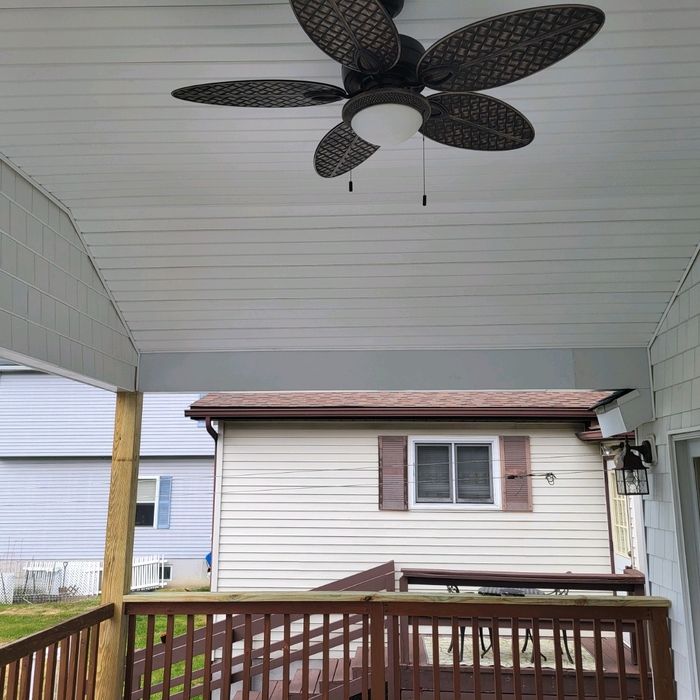
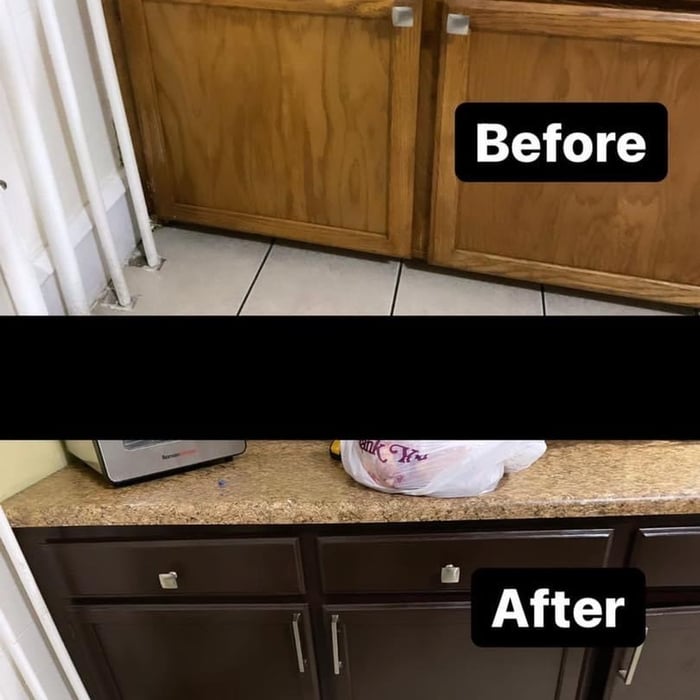
Before & After
Before & After
Before & After
Before & After
Before & After

+2

Response time1 day
Response rate93%
Recommended by33%of homeowners

...
Showing 1-10 of 83
Deck Staining questions, answered by experts

Yes, pressure-treated wood can occasionally turn green due to certain preservatives, such as copper-based chemicals, used during the treatment process. These chemicals react with the wood, creating a greenish tint. The good news? It's temporary, and the color will fade over time. Staining or painting can also help hide any unwanted hues.

It’s best to use an exterior latex acrylic paint to promote maximum adhesion to composite decking. This flexible paint type can better cope with the natural expansion and contraction that can occur with composite deck boards. Oil-based paints won’t adhere as effectively and are more likely to crack and peel as the boards flex. Testing whether your chosen paint will stick on an inconspicuous section or a spare board is a good idea.

You don’t necessarily have to remove all the old paint before repainting your deck, but it’s best to remove as much as possible to ensure a smooth and long-lasting finish. Prioritize scraping off loose, peeling, or flaking paint, and sand down rough areas to create a smooth surface for the new paint to bond with.

Yes, staining or sealing a cedar deck or fence is highly recommended to extend its lifespan, typically by five to 10 years. While cedar is naturally resistant to mold and mildew, it can still fall victim to moisture, sun exposure, and rot over time. Applying a treatment creates a protective shield that helps prevent splintering, fading, and decay, preserving the wood's strength and appearance. A combination stain and sealer often provides the best protection, as it soaks into the wood grain rather than just sitting on top. This offers superior defense against UV damage and rot and lasts longer than a sealer alone. To maintain the wood's natural look, consider using a near-translucent stain. You should plan to reapply the stain or sealer every two to three years.

Applying a sealer or topcoat after staining wood is highly recommended, though not always strictly required. A sealer protects the wood from moisture, UV rays, and weather-related issues, which is especially important for outdoor surfaces like decks and fences. It also enhances the stain's durability, prevents fading over time, and gives the wood a cleaner, more professional-looking finish. For some indoor applications, a sealer may not be necessary, depending on the type of stain used and the level of protection needed. It's always best to check the stain manufacturer's recommendations and consider the wood's intended use and exposure when deciding whether to apply a sealer.

The Nuangola, PA homeowners’ guide to deck staining services

From average costs to expert advice, get all the answers you need to get your job done.