





Top-rated deck staining pros.

Get matched with top deck staining pros in Glen Lyon, PA

Enter your zip and get matched with up to 5 pros

Need a pro for your deck staining project in Glen Lyon, PA?

Select your specific project to find the pro for you.

TRUSTED BY GLEN LYON, PA HOMEOWNERS

  • Average homeowner rating star icon4.9
    Average homeowner rating
  • Verified reviews icon18
    Verified deck staining services reviews

Find Deck staining pros in Glen Lyon

Avatar for Pierson Blair Handyman
Pierson Blair Handyman
4.6(
10
)
Exterior Home or Structure - Paint or StainExterior Home or Structure - Paint or Stain: LargeExterior Home or Structure - Paint or Stain: Medium

Serving Glen Lyon, PA and surrounding areas

Free estimates

Emergency services offered

Credit card accepted

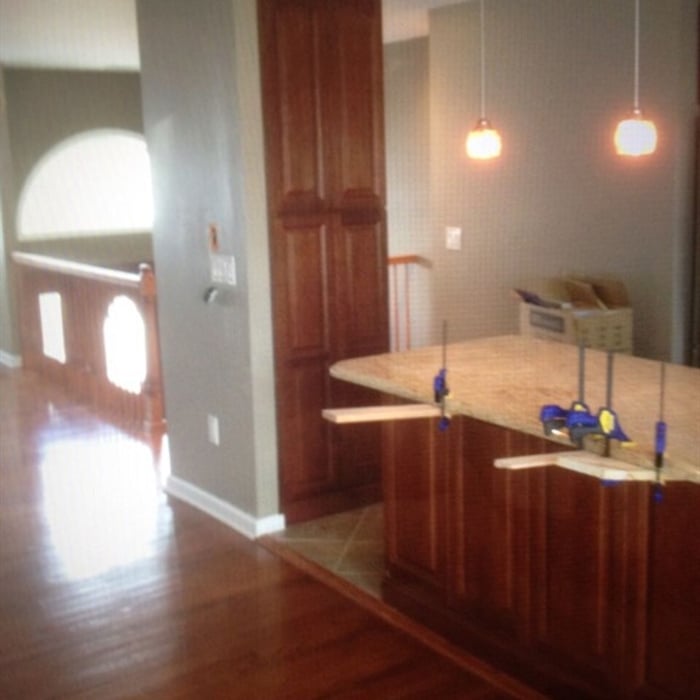
"Absolutely splendid! He was wonderful. And super quick! I did not expect him to finish painting it as fast as he did. I’m a real Karen sometimes and I was looking all over the cabinets. Not a single stray run of paint. I mean really, he did great! ? I would hire him again for sure"
Handymen Project
Remodeling - General Project
Handyman Services Project
Remodeling - General Project
Handyman Services Project

+11

Recommended by100%of homeowners

...
Showing 1-10 of 74
Deck Staining questions, answered by experts

Staining or sealing a cedar deck or fence is highly recommended to extend its lifespan and protect it from the elements. While cedar is naturally resistant to mold and mildew, it is not impervious to damage from moisture, sun exposure, splintering, fading, and rot over time. Applying a protective finish creates a shield that preserves the wood's strength and appearance, potentially extending its life by five to 10 years.

When choosing a finish, it's helpful to understand the difference between a sealer and a stain. A sealer sits on top of the wood, whereas a combination stain and sealer soaks into the top layer. Because it penetrates the wood, a stain generally offers better protection against UV damage and rot and lasts significantly longer. For the best results that also preserve the wood's natural color, consider using a near-translucent stain.
To maintain protection, plan on reapplying the stain or sealer every two to three years, either as a DIY project or by hiring a professional.

The need for a topcoat on a painted deck depends on various factors, primarily the type of paint used and your desired level of protection. Many premium deck paint formulations are self-sealing, eliminating the necessity for an additional topcoat. These paints often have built-in additives that substantially protect against moisture, UV rays, and everyday wear and tear.

In most cases, sanding an old deck before staining it is necessary to achieve a decent finish. If your old deck has a relatively new stain finish on it and you're only doing touch-ups, you can generally skip the sanding part. However, if your goal is to make the deck look and function better, sanding first is a must. 

Yes, pressure-treated wood can occasionally turn green due to certain preservatives, such as copper-based chemicals, used during the treatment process. These chemicals react with the wood, creating a greenish tint. The good news? It's temporary, and the color will fade over time. Staining or painting can also help hide any unwanted hues.

Two coats of stain are ideal for the best protection and aesthetic appeal. However, if your decking is made of particularly dense hardwood, you may only need one coat. If you want an intense color, two coats are ideal.

The Glen Lyon, PA homeowners’ guide to deck staining services

From average costs to expert advice, get all the answers you need to get your job done.