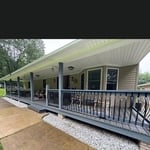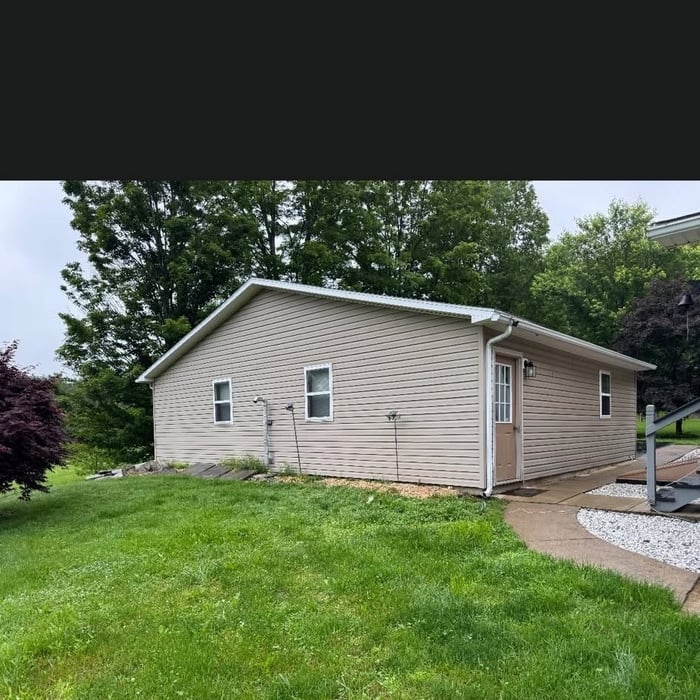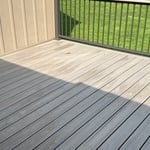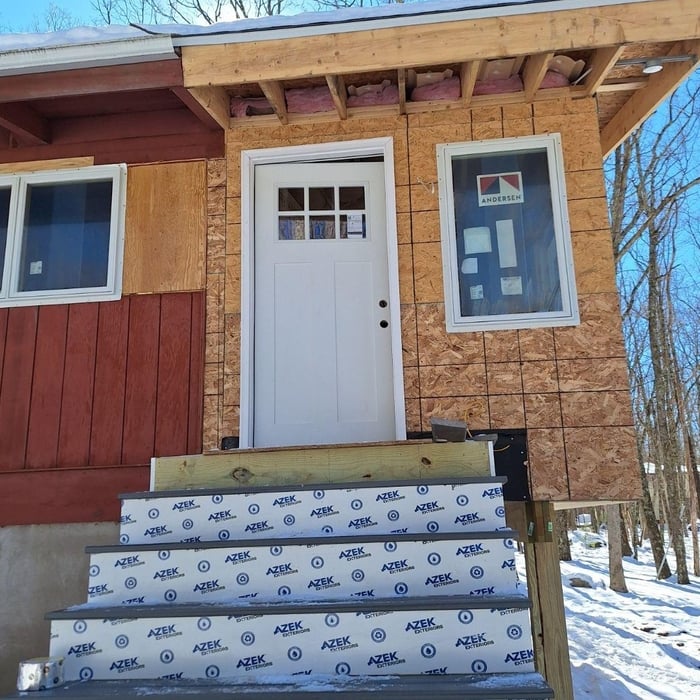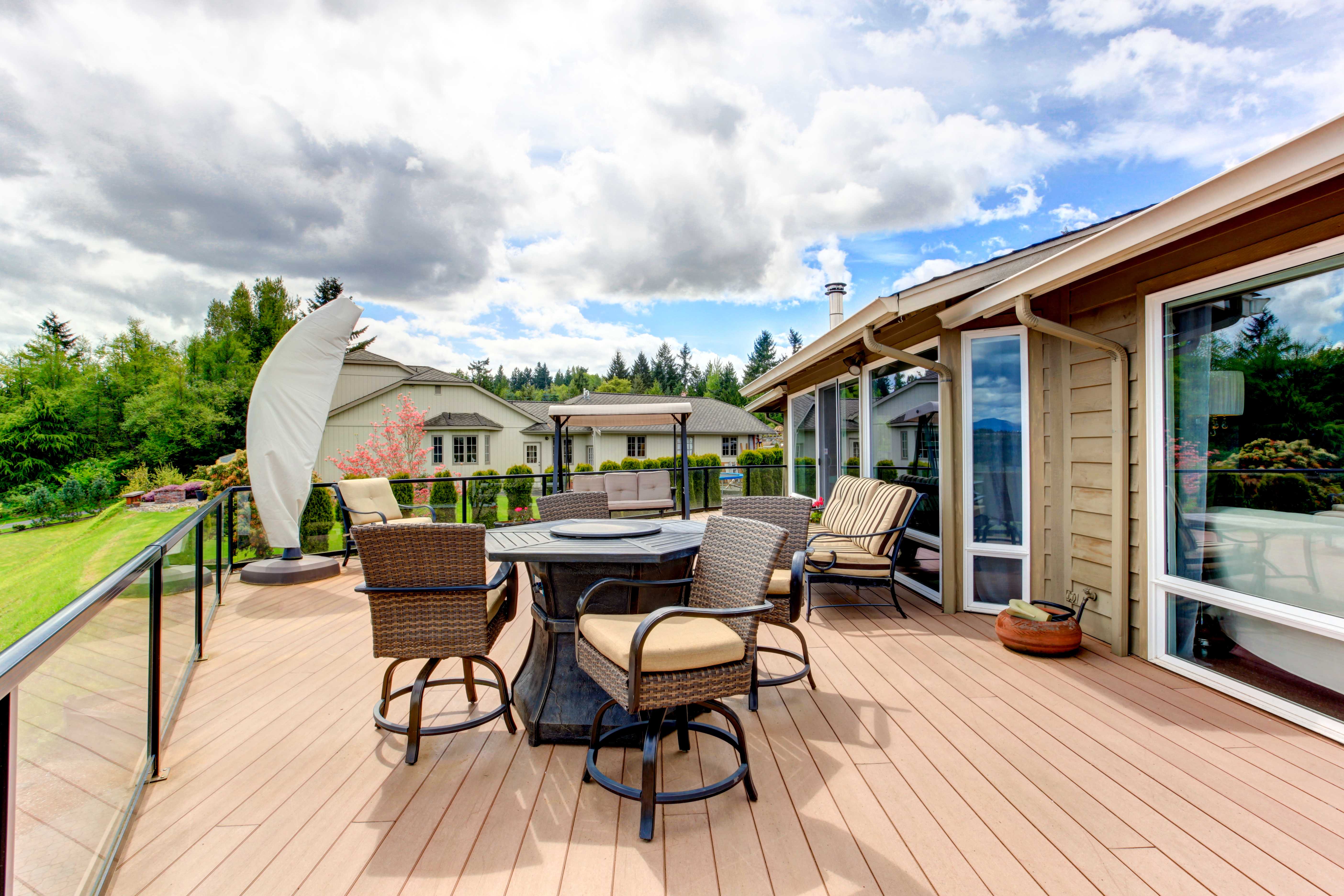









Top-rated deck staining pros.

Get matched with top deck staining pros in Hanover Township, PA

Enter your zip and get matched with up to 5 pros

Need a pro for your deck staining project in Hanover Township, PA?

Select your specific project to find the pro for you.

TRUSTED BY HANOVER TOWNSHIP, PA HOMEOWNERS

  • Average homeowner rating star icon4.5
    Average homeowner rating
  • Verified reviews icon19
    Verified deck staining services reviews

Find Deck staining pros in Hanover Township

Avatar for The Pro Painting Company
The Pro Painting Company
5.0(
9
)
Exterior Home or Structure - Paint or Stain: Large

Serving Hanover Township, PA and surrounding areas

In business since 1990

Free estimates

Credit card accepted

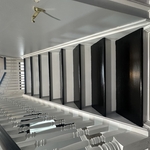
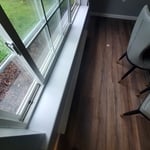
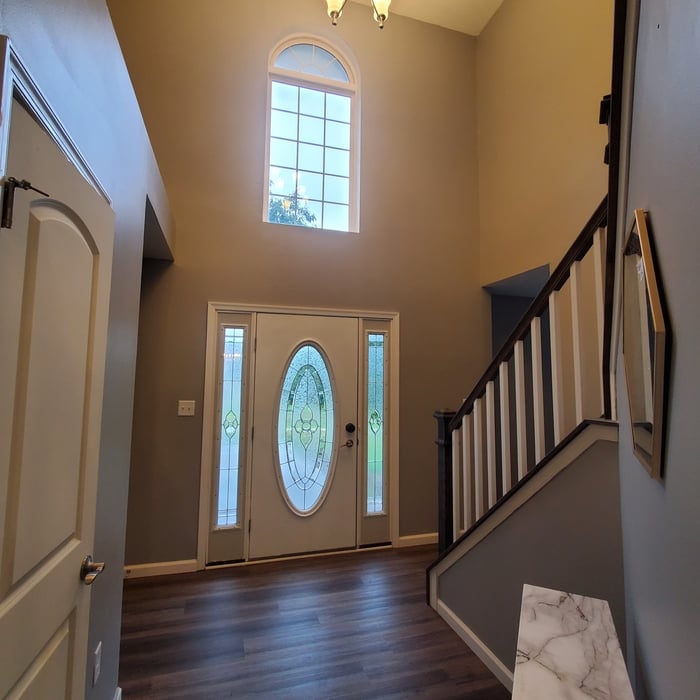
"Clean, professional, and efficient. I was worried about paint on my new carpet but with their experiance and the use of drop cloths. My carpet was just fine. Would certainly reccomend"
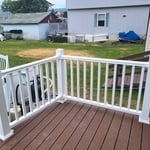
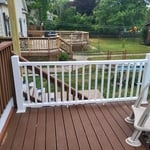
Before & After
Before & After
Before & After
Before & After
Before & After

+2

Response time1 day
Response rate93%
Recommended by33%of homeowners
...
Showing 1-10 of 83
Deck Staining questions, answered by experts

It’s best to prime composite decking before painting. This promotes better paint adhesion, helps create a smooth finish, and can mean the paint job will last longer. Always follow the manufacturer’s instructions for application, allow ample primer drying time before painting (typically 24 to 48 hours), and thoroughly clean the deck boards to promote the best adhesion.

The best temperature to paint a pool deck is between 50 and 90 degrees Fahrenheit, because many paints and sealers require temperatures warm enough for the chemical reaction to take place for proper curing. The paint should not be allowed to freeze, and temperatures above 90 degrees can cause the paint to dry too quickly, also preventing the chemical reaction from following through to completion.

Yes, it's a good idea to sand the wall with fine-grit sandpaper after spackling, especially if you plan on painting. You can do this by hand or using a sander, but the idea is to ensure the spackle is flush with the wall. Sanding will give your wall a smooth, uniform finish and help your paint and wallpaper stay put.

The general consensus is that two coats of stain are required and since the cedar is siding, a third coat of sealant is always a good idea. This helps protect the wood and stain, so you won’t need to resand and restain for at least a decade. Each stain after the first will darken the wood, so be aware of that when choosing a colored stain.

Many decking oils can help slow down algae growth, but they don't completely stop it. These oils work by sealing the wood, which reduces moisture and, therefore, algae growth. Some decking oils also help protect against UV damage, but they need to be reapplied according to the manufacturer’s instructions to ensure the decking stays protected.

The Hanover Township, PA homeowners’ guide to deck staining services

From average costs to expert advice, get all the answers you need to get your job done.