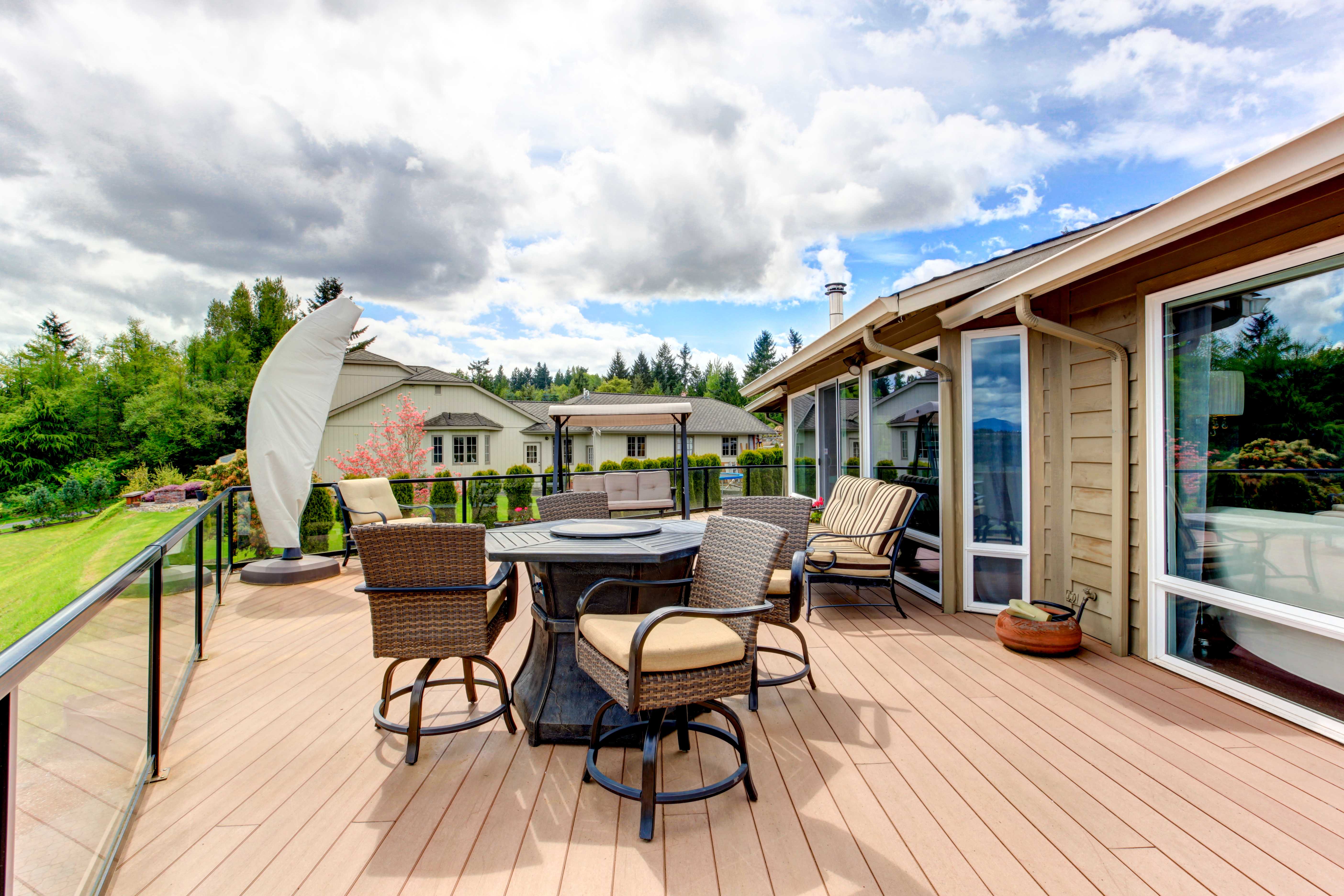







Top-rated deck staining pros.

Get matched with top deck staining pros in Courtdale, PA

Enter your zip and get matched with up to 5 pros

Need a pro for your deck staining project in Courtdale, PA?

Select your specific project to find the pro for you.

TRUSTED BY COURTDALE, PA HOMEOWNERS

  • Average homeowner rating star icon4.9
    Average homeowner rating
  • Verified reviews icon10
    Verified deck staining services reviews

Find Deck staining pros in Courtdale

Avatar for The Pro Painting Company
The Pro Painting Company
5.0(
9
)
Exterior Home or Structure - Paint or Stain: Large

Serving Courtdale, PA and surrounding areas

In business since 1990

Free estimates

Credit card accepted

"Clean, professional, and efficient. I was worried about paint on my new carpet but with their experiance and the use of drop cloths. My carpet was just fine. Would certainly reccomend"
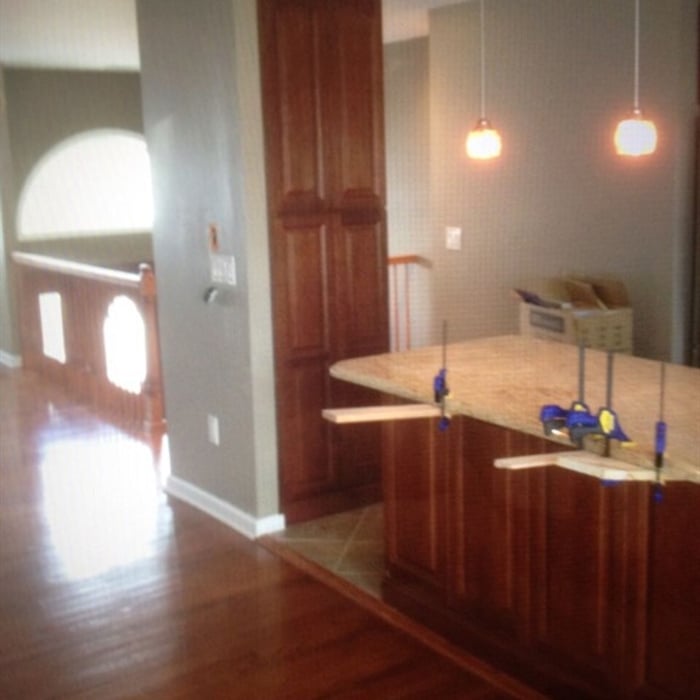
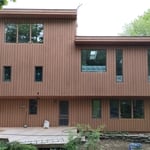
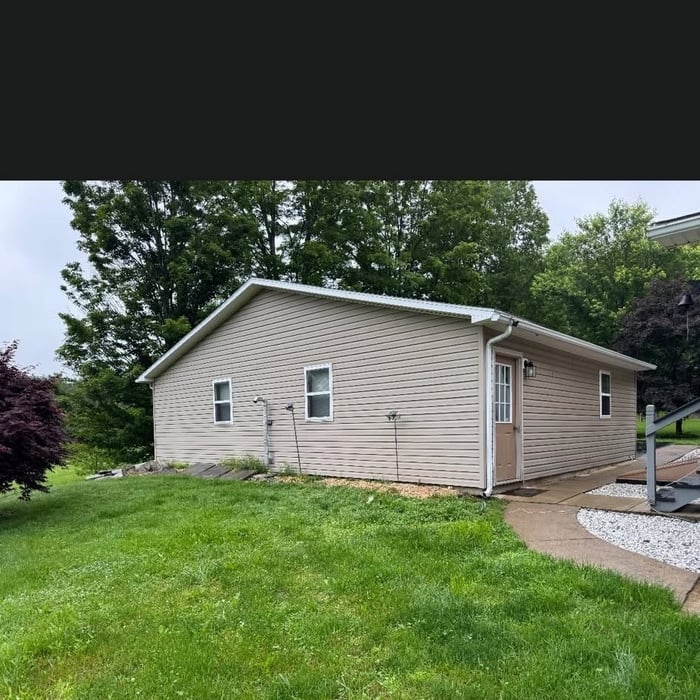
Before & After
Before & After
Before & After
Before & After
Before & After

+2

Response time1 day
Response rate93%
Recommended by33%of homeowners
...
Showing 1-10 of 90
Deck Staining questions, answered by experts

Staining pressure-treated wood is a recommended practice. While inherently resilient, it's not impervious to moisture and UV exposure. Staining treated wood is feasible and recommended for enhanced protection and longevity. Applying stain and sealant safeguards against degradation, prolonging its life span. These measures shield the wood from environmental threats while augmenting its aesthetic appeal, ensuring your investment endures the test of time.

It’s important to make sure the wood on a new deck is properly seasoned. Seasoning a deck is simple: Once you build it (or have a pro do so), just leave it alone so it can acclimate to the environment. If you don’t give the deck proper seasoning time before staining, the stain can lock in any lingering moisture and cause mold, rot, and other moisture issues down the road. Give the wood at least four to eight weeks to season before you stain.

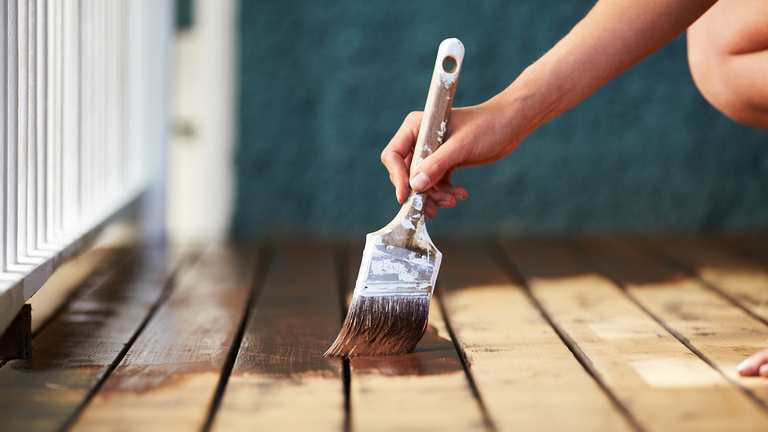
Your tool of choice ultimately comes down to personal preference. Many DIYers prefer applying stain with a lint-free rag, but others stick with a paint brush or a roller. Wipe the stain and work it into the wood, working with and against the grain. If you’re applying multiple coats, allow the stain to dry for around four hours between coats.

Limewash and whitewash are two techniques used to give brick a light, matte finish, but they differ in composition, application, and permanence. The best choice depends on your aesthetic goals and the specific surface.

Composition

  • Limewash: A natural and environmentally friendly option made from limestone, water, and sometimes pigments. It is breathable and soaks into porous surfaces like brick.

  • Whitewash: Traditionally made from lime, water, chalk, and binders, but a similar look can be achieved with watered-down white paint. It is paint-based and sits on top of the surface.

Appearance and Finish

  • Limewash: Provides a natural, textured appearance that allows the brick's character to show through. It offers a more traditional finish.

  • Whitewash: Creates a softer, more opaque finish, often used for a rustic or shabby-chic style.

Application and Permanence

  • Limewash: Is semi-permanent and can be removed, making it a good choice if you might want to change the look in the future. It requires more skill to apply and cannot be used on previously painted brick.

  • Whitewash: Is a more permanent solution. It is more forgiving to apply and can be used on painted brick. However, because it sits on the surface, it can trap moisture.

Ultimately, if you want a breathable, natural, and reversible finish for unpainted brick, limewash is a great option. If you need a more permanent, opaque coating that can be applied over painted surfaces, whitewash is the better choice. Whitewashing may also be more economical, costing approximately $1.40 to $4.20 per square foot.

Generally, these steps are included in exterior house painting:

  • Prepping and protecting the areas not being painted

  • Scraping away loose paint

  • Cleaning off dirt, grease, and debris

  • Caulking gaps and openings

  • Priming with a quality paint primer

  • Painting the prepared areas, including trim and accents with chosen paint finish

  • Adding a second coat

  • Cleaning up the site and disposing of tape, plastic, and drop cloths

The Courtdale, PA homeowners’ guide to deck staining services

From average costs to expert advice, get all the answers you need to get your job done.