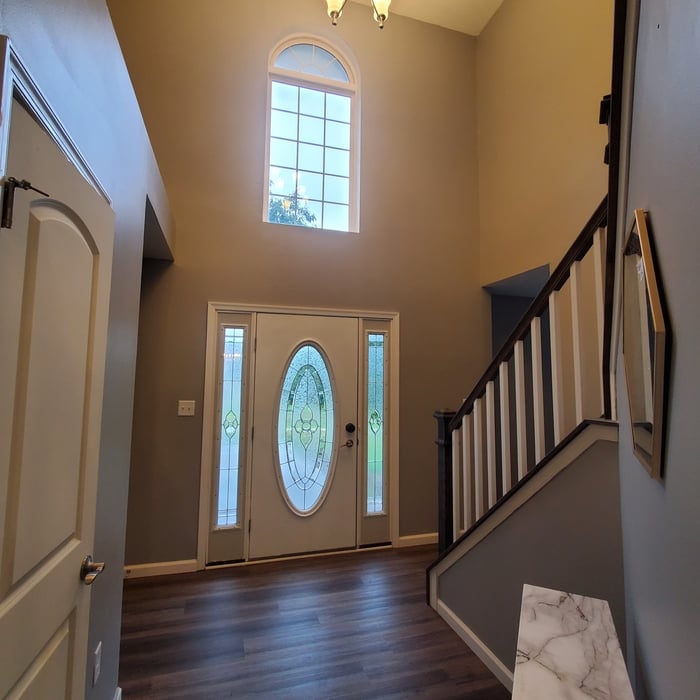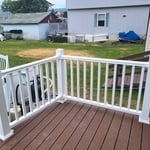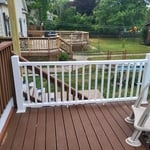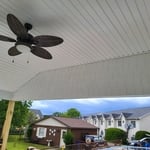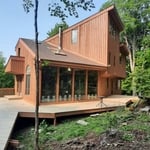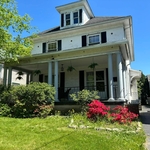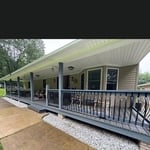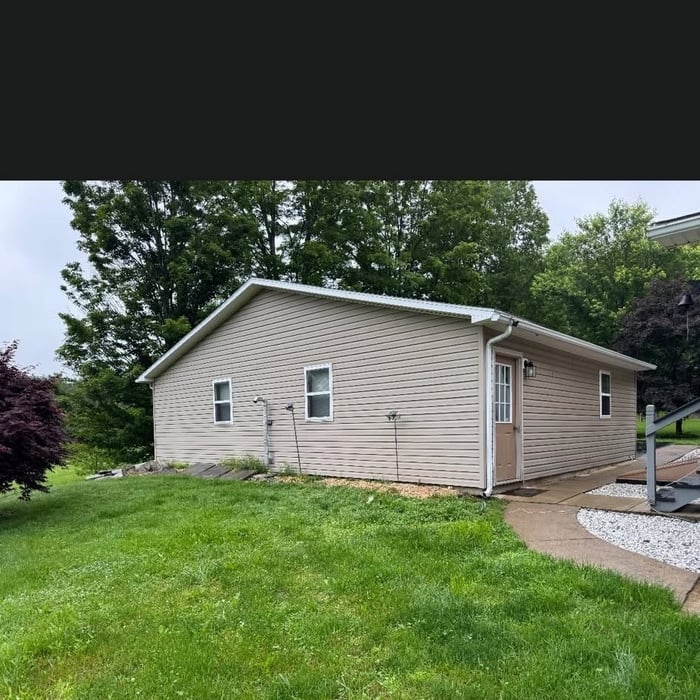






Top-rated deck staining pros.

Get matched with top deck staining pros in Jackson Township, PA

Enter your zip and get matched with up to 5 pros

Need a pro for your deck staining project in Jackson Township, PA?

Select your specific project to find the pro for you.

TRUSTED BY JACKSON TOWNSHIP, PA HOMEOWNERS

  • Average homeowner rating star icon4.7
    Average homeowner rating
  • Verified reviews icon17
    Verified deck staining services reviews

Find Deck staining pros in Jackson Township

Avatar for The Pro Painting Company
The Pro Painting Company
5.0(
9
)
Exterior Home or Structure - Paint or Stain: Large

Serving Jackson Township, PA and surrounding areas

In business since 1990

Free estimates

Credit card accepted

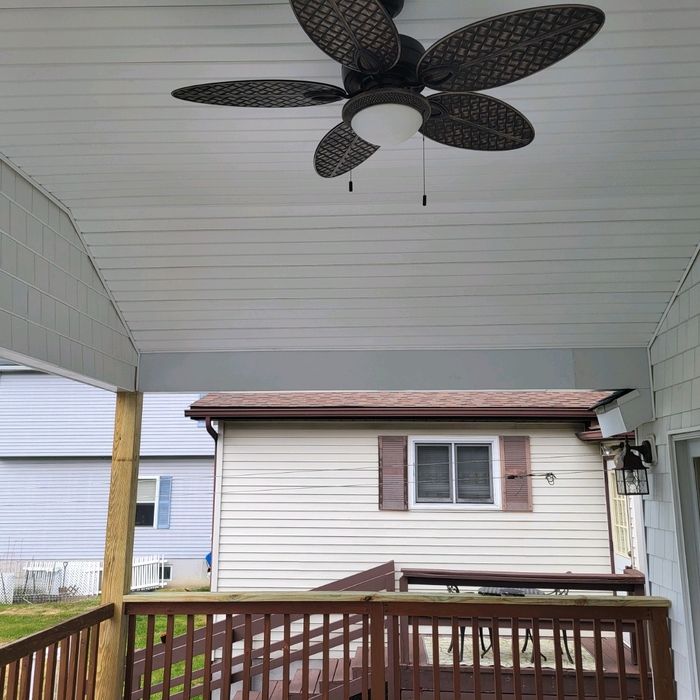
"They did a great job. Painted my windows and the facia on the house and carport. Also did my ceiling on my front porch. Did a great job and clean up. Planning on getting them back to paint my repaired chimney. All were professional."
Before & After
Before & After
Before & After
Before & After
Before & After

+2

Response time1 day
Response rate93%
Recommended by33%of homeowners
...
Showing 1-10 of 82
Deck Staining questions, answered by experts

Limewash and whitewash are two techniques used to give brick a light, matte finish, but they differ in composition, application, and permanence. The best choice depends on your aesthetic goals and the specific surface.

Composition

  • Limewash: A natural and environmentally friendly option made from limestone, water, and sometimes pigments. It is breathable and soaks into porous surfaces like brick.

  • Whitewash: Traditionally made from lime, water, chalk, and binders, but a similar look can be achieved with watered-down white paint. It is paint-based and sits on top of the surface.

Appearance and Finish

  • Limewash: Provides a natural, textured appearance that allows the brick's character to show through. It offers a more traditional finish.

  • Whitewash: Creates a softer, more opaque finish, often used for a rustic or shabby-chic style.

Application and Permanence

  • Limewash: Is semi-permanent and can be removed, making it a good choice if you might want to change the look in the future. It requires more skill to apply and cannot be used on previously painted brick.

  • Whitewash: Is a more permanent solution. It is more forgiving to apply and can be used on painted brick. However, because it sits on the surface, it can trap moisture.

Ultimately, if you want a breathable, natural, and reversible finish for unpainted brick, limewash is a great option. If you need a more permanent, opaque coating that can be applied over painted surfaces, whitewash is the better choice. Whitewashing may also be more economical, costing approximately $1.40 to $4.20 per square foot.

No, it is not okay to paint over rotted wood. Painting over rotted wood will not address the underlying issue and can trap moisture, leading to further decay. Properly addressing the rotted wood by removing and replacing or repairing the damaged areas is necessary before you can even consider painting.

When applying multiple coats, wait four to six hours for each coat to dry. Not waiting long enough can result in streaks, peeling, and uneven color. Plus, it will be more difficult to discern where the second coat has already been applied.

There are more pros than cons when staining a deck. Deck stain is more affordable than paint, it protects the wood and allows the natural textures to shine through, and it can revive the appearance of your home. However, deck stain also requires prep work (sometimes days or more), carries more upkeep than a painted deck, and can fade over time if not cared for. 

Yes, you can and should paint or stain pressure-treated wood to help prevent the boards from cracking. However, you must wait for the wood to dry out completely before applying any finish. Freshly treated wood can take weeks or even months to dry; a common recommendation is to wait three to six months. To check if the wood is ready, perform a simple water test: drip some water onto the surface. If the water beads up, the wood is still too wet and needs more time to dry. If the wood absorbs the water, it is dry enough to be painted or stained. You can proceed with building your deck or fence while the wood is still wet, but you will need to wait to apply the paint or stain.

The Jackson Township, PA homeowners’ guide to deck staining services

From average costs to expert advice, get all the answers you need to get your job done.