

Sunken concrete slabs can quickly get expensive to raise back up. Learn about polyurethane concrete lifting costs to see how you should budget.
Polycrylic and polyurethane might seem like the same product, but they’re as different as

Choosing a Minwax Polycrylic finish for your woodworking project keeps lighter woods clear and bright without the amber tint oil-based polyurethane leaves behind.
Polycrylic costs $20 to $30 per quart, making it more budget-friendly than oil-based polyurethane, which ranges from $20 to over $50 per quart.
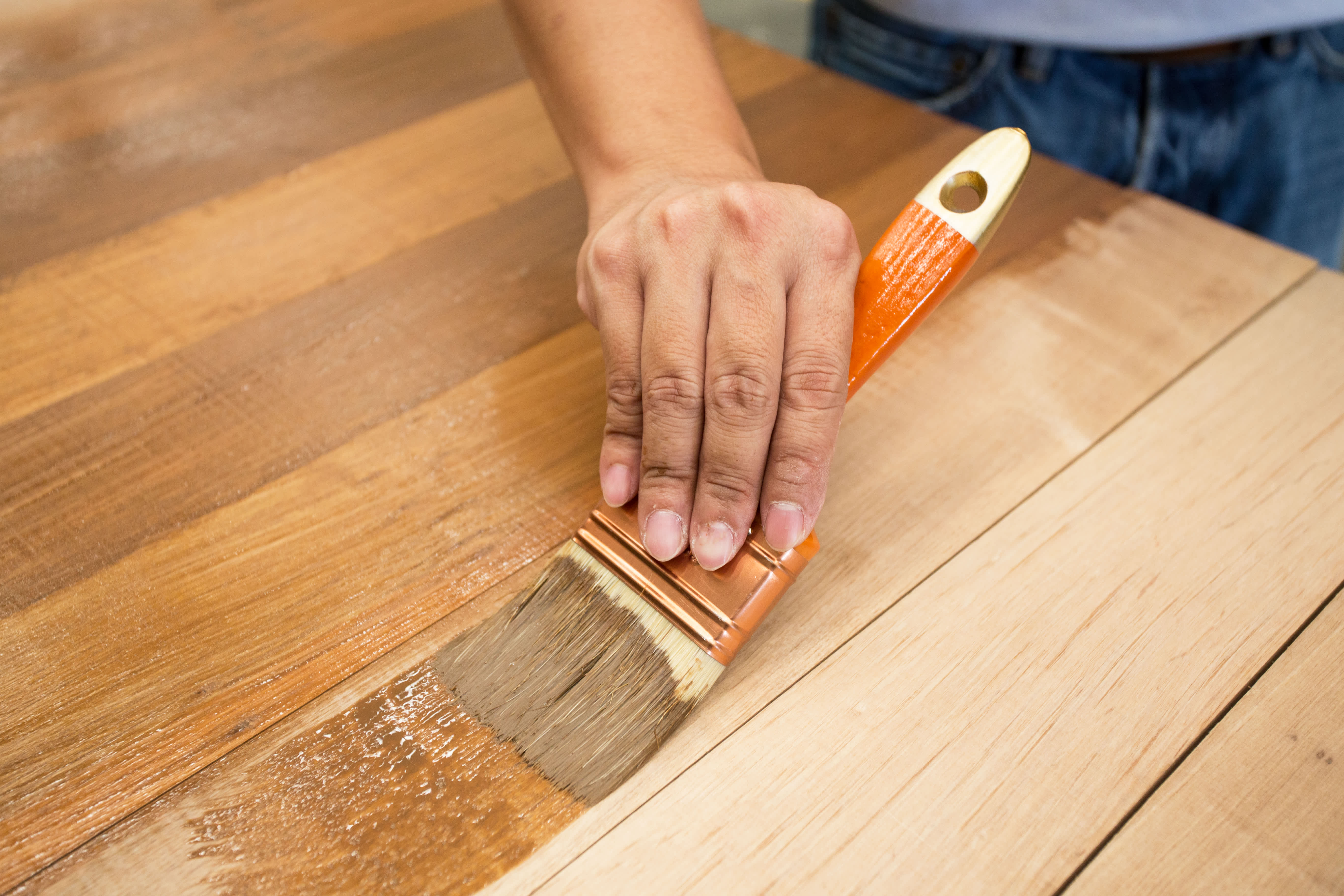
Your polycrylic topcoat dries quickly, so work fast and use smooth, even strokes to avoid visible brush marks and achieve a professional-looking finish.
Hiring a local interior painting professional keeps your project on track by handling tricky application techniques and ensuring smooth, even coverage without brush marks.
Natural wood can be a beautiful finish—if you seal it properly. Woodworking projects usually need a clear topcoat to seal the wood and protect it from heat, moisture, and general use. For this, you can use polycrylic or polyurethane as a sealant for unfinished wood. Still, the two have distinct differences that you should pay attention to if you want your project to come out just right. Here’s a breakdown of the differences between the finishes.

Polycrylic is a water-based wood sealant that comes in various sheens, including satin, gloss, matte, ultra-flat, and high gloss. It can be brushed, rolled, or applied as an aerosol. Polycrylic has a few distinct pros and cons that make it different from polyurethane.
Polycrylic benefits include:
Has less of an odor and is safer than polyurethane
Needs a shorter time to dry
Leaves a durable, hard finish
Goes on clear so that it won’t change the appearance of the wood
More cost-friendly than polyurethane
Easy to find at local hardware stores
Cleanup is quick and straightforward and only requires soap and water
Using polycrylic as your wood sealant does have its drawbacks, including:
Sometimes takes on a milky appearance when applied to dark woods
Requires a longer curing time, even though it dries fast
Fast drying time means brush strokes may be visible
Is not as resistant to high heat
Has a runny consistency, so it can be challenging to apply to vertical surfaces

There are two different types of polyurethane finishes: water-based and oil-based. Sometimes referred to as “liquid plastic,” polyurethane in both forms is a popular choice as a wood sealant. Like polycrylic, both types of polyurethane finishes have their pros and cons.
Choosing water-based polyurethane comes with a few benefits:
Contains less volatile organic compounds (VOCs) than oil-based formulas
Dries faster than oil-based
Completely clear finish, so you can use it on lighter woods without fear of discoloring
Water-based polyurethane also has some drawbacks:
Not as heat-resistant or water-resistant as oil-based polyurethane
Less durable than oil-based polyurethane
Doesn’t aesthetically enhance the wood grain
Polyurethane finishes offer benefits, such as:
More durable than water-based polyurethane and polycrylic
Suitable for flooring or any furniture that gets heavy use
Enhances the wood grain, making colors deeper
Water-resistant, so good for use on outdoor projects like sealing a deck
Resistant to high temperatures
Easier to apply evenly than polycrylic
Oil-based polyurethane sealants also have their challenges, including:
Contains a lot of VOCs, giving it a pungent odor
Can cause headaches, eye irritation, and dizziness if you apply it in a poorly ventilated area without a respirator
Very combustible
Dries with a slightly amber tone, so you should not use it on lighter woods or over white paint

Both polycrylic and polyurethane will give you a nice finish on your woodworking project, whether you’re refinishing hardwood floors or touching up furniture. Which finish you choose depends on what you want the final look to be, what your project is, and the color of your wood.
When it dries, polycrylic can take on a milky color, so it’s best to use it on lighter woods and white finishes. Oil-based polyurethane is the opposite—it tends to have an amber hue when dry, so it goes better on darker woods like mahogany. Water-based polyurethane doesn’t get quite as dark of a yellow tone as oil-based polyurethane, but it can look yellow on light woods and milky on dark woods.
Winner: Tie
Polycrylic, water-based polyurethane, and oil-based polyurethane all come in various finishes, including ultra-flat, matte, satin, semigloss, and gloss. You’re not limited with either finish, so your choice depends on the look that you want for your project.
Winner: Tie
While polycrylic and polyurethane are both durable and long-lasting, oil-based polyurethane works well for projects like protecting your wood floor stain or furniture that you use daily. Oil-based polyurethane can handle more use and is better in high temperatures and more moisture-resistant than water-based polyurethane and polycrylic.
Winner: Oil-based polyurethane
Polycrylic and water-based polyurethane usually cost around $20 to $30 per quart, while oil-based polyurethane can cost anywhere from $20 to upwards of $50 per quart.
If cost is a factor in your finish decision, polycrylic is the more budget-friendly of the two options. However, water-based polyurethane and polycrylic are comparable in price because water-based finishes cost less to manufacture than oil-based finishes.
Winner: Polycrylic
While you can apply both polycrylic and polyurethane using a brush, roller, or spray, polycrylic does tend to dry faster. Since it dries quickly, it’s harder to get a smooth finish with polycrylic than with polyurethane, and you risk leaving brush marks behind if you don’t work quickly enough. If you’d like to use polycrylic but feel your pro could benefit from a pro’s expertise, consider getting a quote from a painting contractor near you.
Winner: Polyurethane
Polyurethane contains VOCs, which can be harmful to breathe in for significant periods of time, so it’s important to have good ventilation or use a respirator when working with the product. Polycrylic doesn’t contain VOCs, so it doesn’t cause health problems like headaches.
Winner: Polycrylic
If you’re good people wanting to do business with good people, hire Matt. He is a consummate professional and utterly competent. He installed a water heater in my home at a price that beat competitors by hundreds of dollars with a promise to support the unit for its life (even after its 6 yr...
 Greene's Plumbing Services
Joseph did a great job with the staircase and trim. Timely and efficient, clear communication about the work, very fair pricing. For the stairs in particular, done very skillfully in an old house (1893) in a tight spiral, and very creative with how to do the handrail. Did a nice job with...
 Vouis Trim Carpentry L.L.C.
This company does it right. Firstly, I want to say that Landan was a joy to work with. He was so kind, transparent, and had everything under control. His entire team showed up ready to work and they were all very respectful of the fact that we were in an office space. A little backstory – we...
 Krumlauf Floors
Finished Basements Plus was wonderful from beginning to end! First, they came out quickly for an estimate. I had 4 estimates and theirs was by far the best. (2 of the estimates were more than $20K higher than for the exact same work). Beyond their fair pricing, the work was excellent. They...
 Finished Basements Plus Inc.
Very professional, knowledgeable and helpful! Completed the install on time and as expected.
 Ward's Services
Cole has been handling plumbing and general contracting for our four properties over the past three years, and he’s always done a great job. Most recently, he installed a sink and countertop in our retail store where none existed before, and it turned out exactly how we needed. He’s...
 ANB Renovations LLC
Excellent, Prompt, Courteous Service!!! They were super friendly and quite personable. I felt very comfortable with the gentlemen that did the installation. They installed it exactly where I asked them to and they did an excellent job!! I loved their service so much.
 Tether House
Window Depot did an amazing job installing the windows in my basement! The process from start to finish was by far more than what I expected. I would highly recommend Window Depot if you want professionalism from the the consultation to the installation. Dont settle for mediocre when you can...
 Window Depot USA of Central Ohio
AFS was excellent from start to finish. Jess, the sales associate, was fantastic...very knowledgeable and very professional. The installation crew was excellent. I couldn't be more pleased with the process. Best of all, my new floor looks fantastic!
 America's Floor Source
We were having 2”x 2” tile installed . There was a small installation error and the new additional replacement tile was from a different lot and the colors didn’t match. Joe assured us that he would rectify everything , which he did without hesitation. We decided to go with the 18” x 36” tile...
 CarifaTile
From average costs to expert advice, get all the answers you need to get your job done.
Sunken concrete slabs can quickly get expensive to raise back up. Learn about polyurethane concrete lifting costs to see how you should budget.

If you’re trying to decide between using varnish vs. polyurethane, we’re breaking them down based on appearance, budget, and other factors.
What is polyurethane? Learn how polyurethane keeps your furniture, floors, and cabinets safe from scratches, spills, and fading over time.
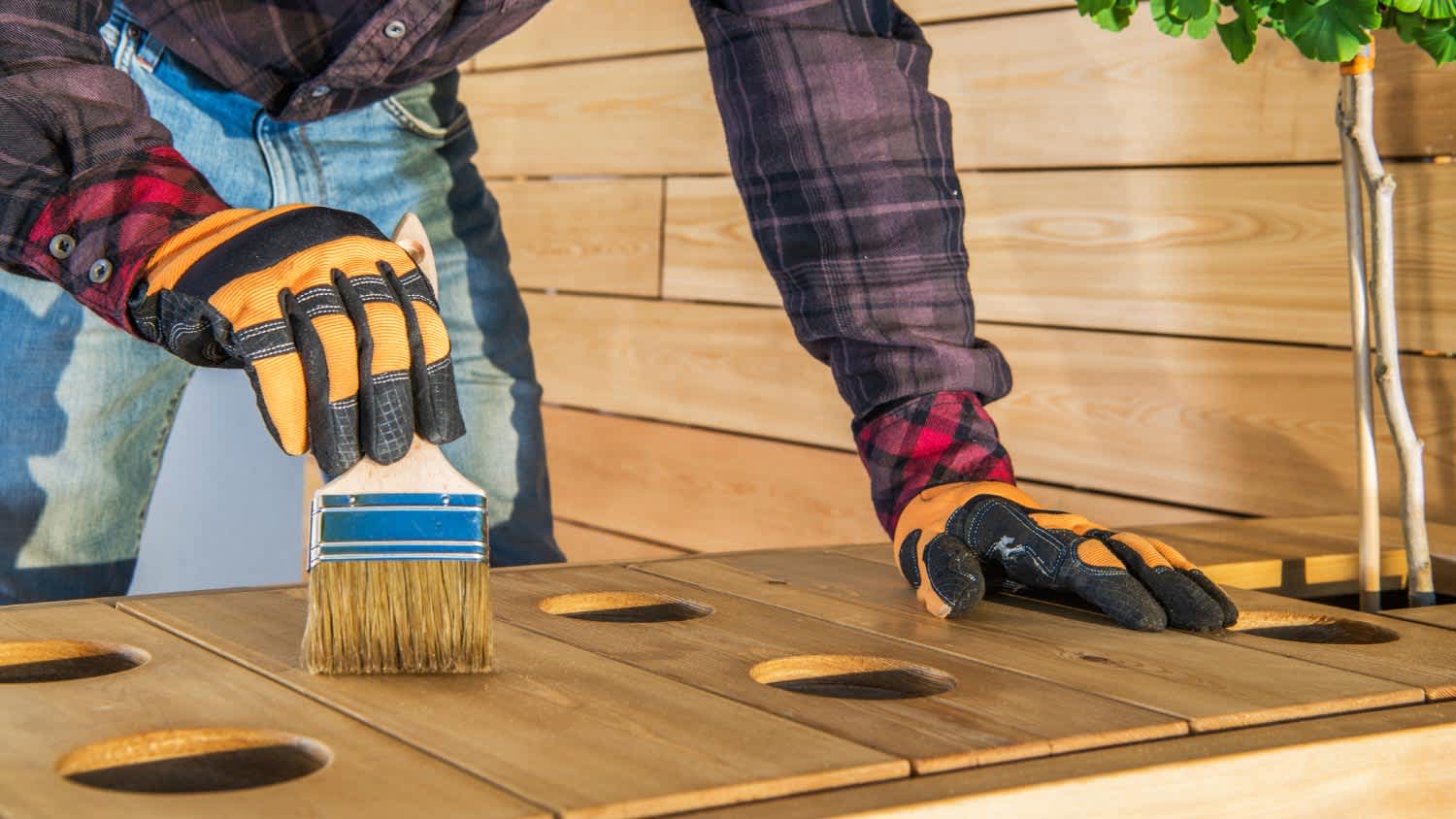
Give your wood furniture or floors a perfectly smooth, glossy finish with polyurethane. This guide walks you through how to apply polyurethane.

There are many types of hardwood flooring, and all of them are best protected by one of many types of hardwood finish. Learn about the most popular types of hardwood finish and which is best suited to your flooring project.
Choosing insulation for your home depends on the installation location, climate, budget, and more. Keep reading to learn how to choose the right insulation.