



Top-rated radon detection and reduction specialists.

Best radon detection and reduction specialists near New Baltimore, PA

Enter your zip and get matched with up to 5 pros

Need a pro for your radon detection and reduction project in New Baltimore, PA?

Select your specific project to find the pro for you.

Top-Rated Radon detection and reduction specialists in New Baltimore - Updated Nov 2026

Helping Solutions, LLC
4.8(
5
)
Radon Gas - AbatementRadon Gas - Testing

Serving New Baltimore, PA and surrounding areas

In business since 2009

Free estimates

Credit card accepted

"If you’re looking to get any type of inspection or home services then look no further. I recently became a customer of Justin Ake after trying to get my soon to be home inspected. Rick was dispatched to the property and went above and beyond, both explaining the inspection process and showing me key points in the houses plumping and drainage systems. As well as providing information on other tests and services the company performs. I don’t normally write reviews, but I have to say this is one business that takes pride in their trade."
Recommended by100%of homeowners
Radon Detection and Reduction FAQs, answered by experts

Keeping radon from getting into your home is much better than having to get rid of it once it's already indoors. While there may not be a way to fully prevent radon from getting into your home, there are things you can do to reduce the gas's ability to enter. 

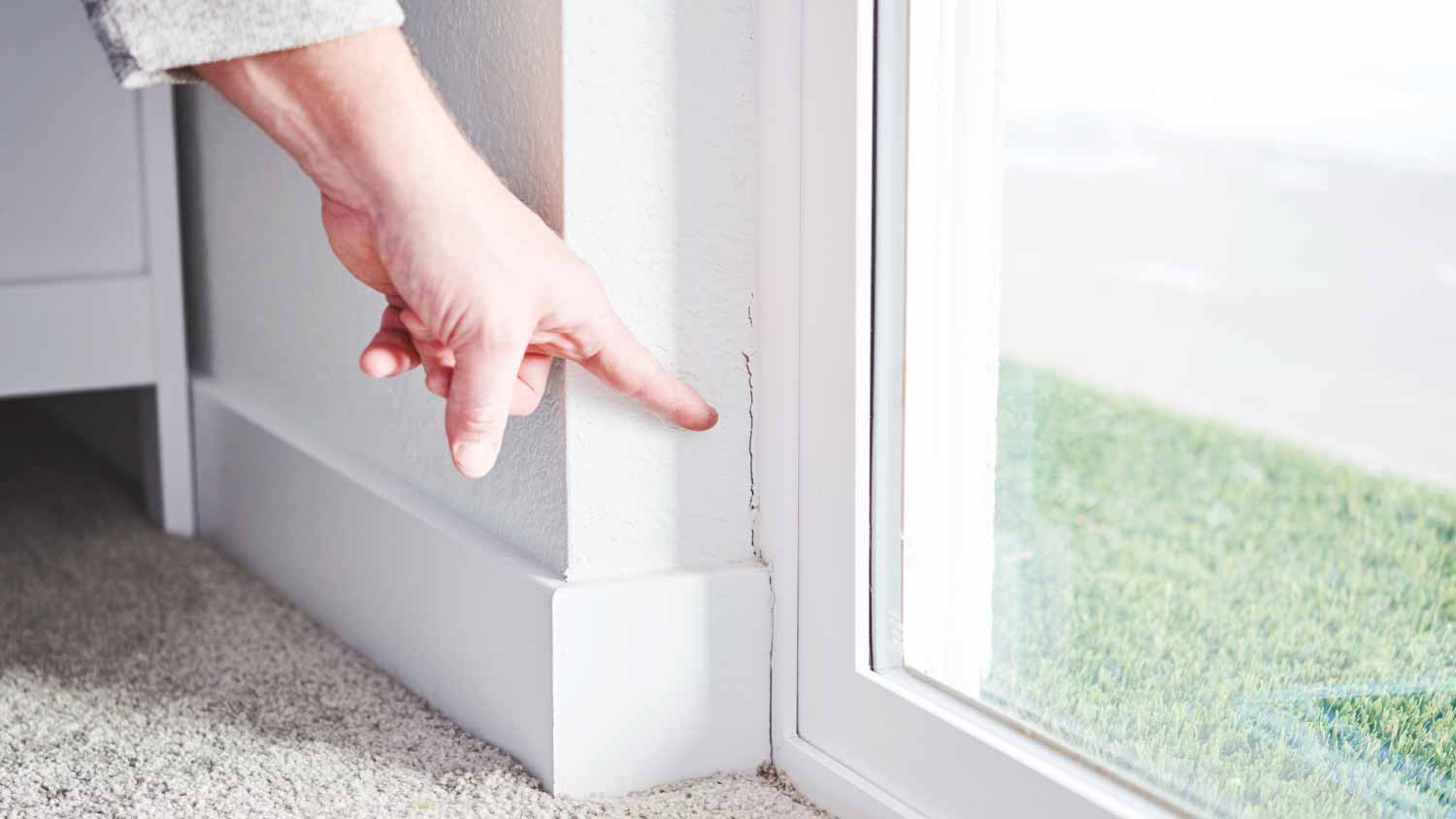
Sealing foundation cracks and openings can help keep the gas from seeping inside. Improving air flow, such as by opening windows, can also be helpful. If you're building your home from scratch, talk to your contractor about using radon-resistant construction to keep the gas out.

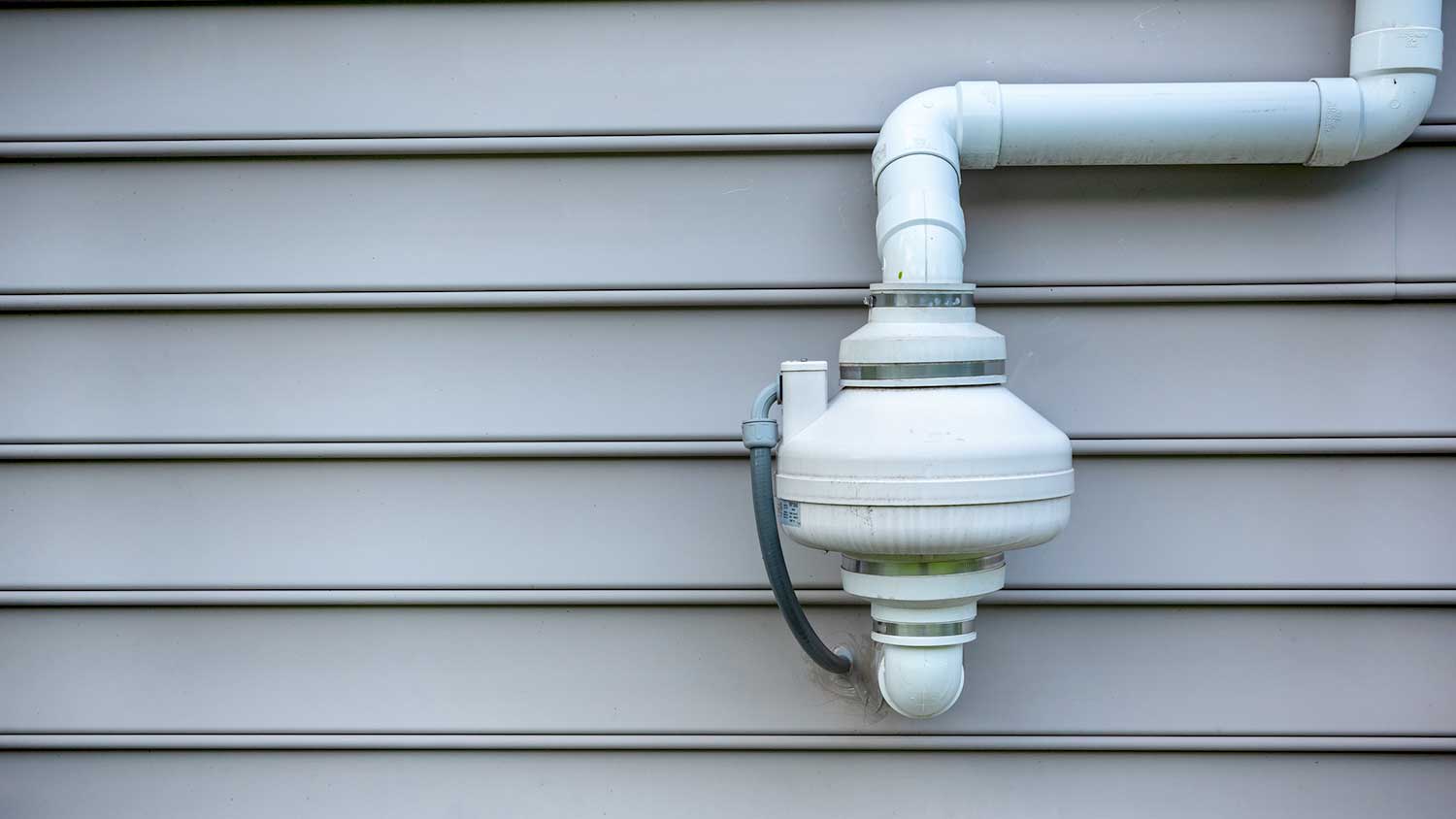
Many radon fans carry a five-year manufacturer's warranty. That said, your radon fan should last between five and ten years. Regular inspections will ensure the fan is operating properly. Unusual or exceptional noise coming from the fan or indications on your manometer or system monitor can immediately tell you that something is amiss.

No level of radon is technically safe, but since it is present everywhere, complete avoidance is impossible. The average radon level in homes across the United States is 1.3 picocuries per liter (pCi/L). The Environmental Protection Agency (EPA) recommends taking preventative measures if your home's radon levels are between 2 and 4 pCi/L or higher.

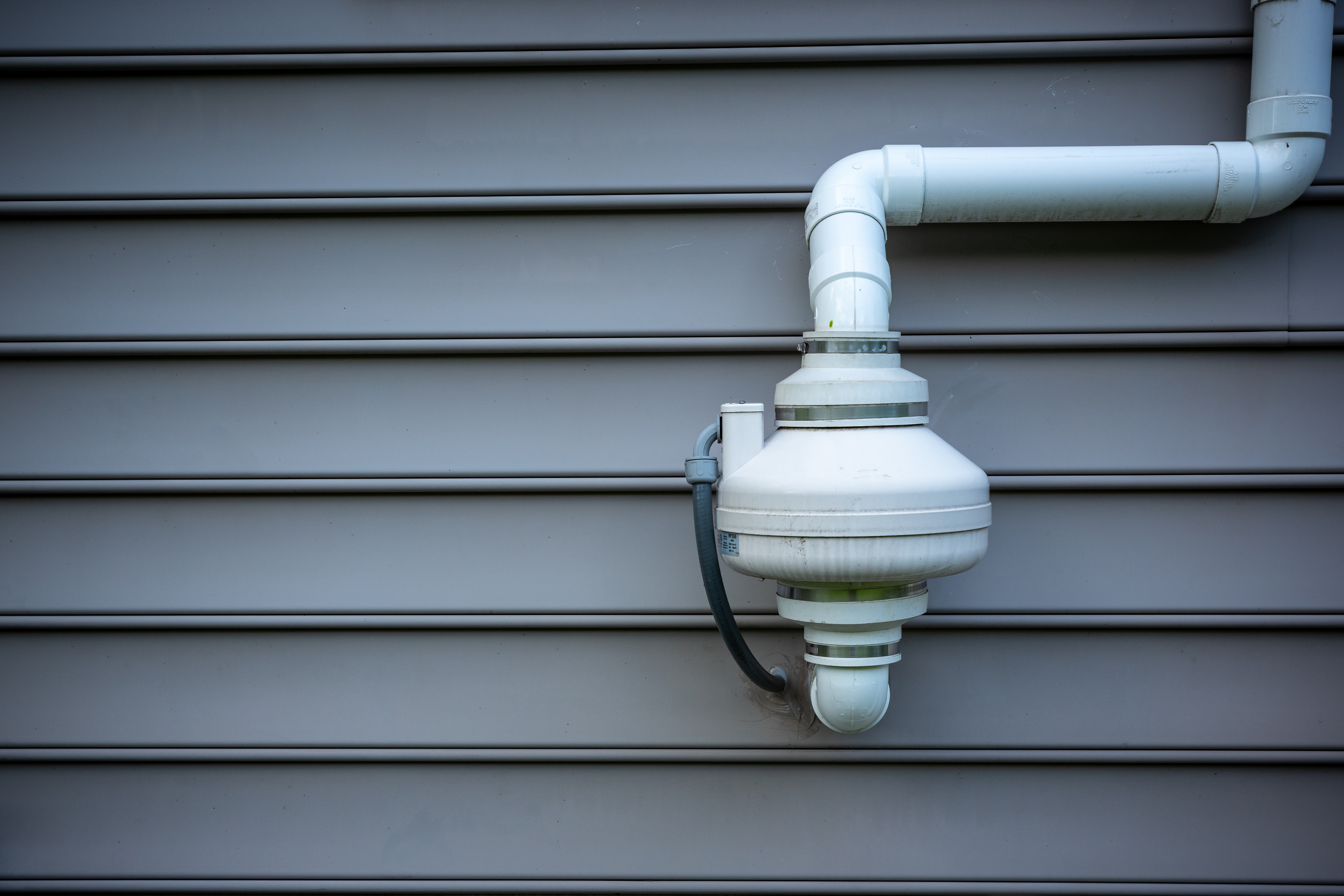
Your radon mitigation system may be loud because it’s time to replace it. Any sounds are usually from the inline fan that helps create the vacuum and resulting airflow. If you hear a new, loud mechanical or humming noise from your radon fan, it might be time to replace it. Most fans used in radon mitigation systems last up to 10 years, but may need to be replaced sooner.

If high radon levels are detected, steps include sealing entry points, installing a mitigation system, and retesting the air regularly to ensure reduced levels.

The New Baltimore, PA homeowners’ guide to radon detection and reduction services

From average costs to expert advice, get all the answers you need to get your job done.