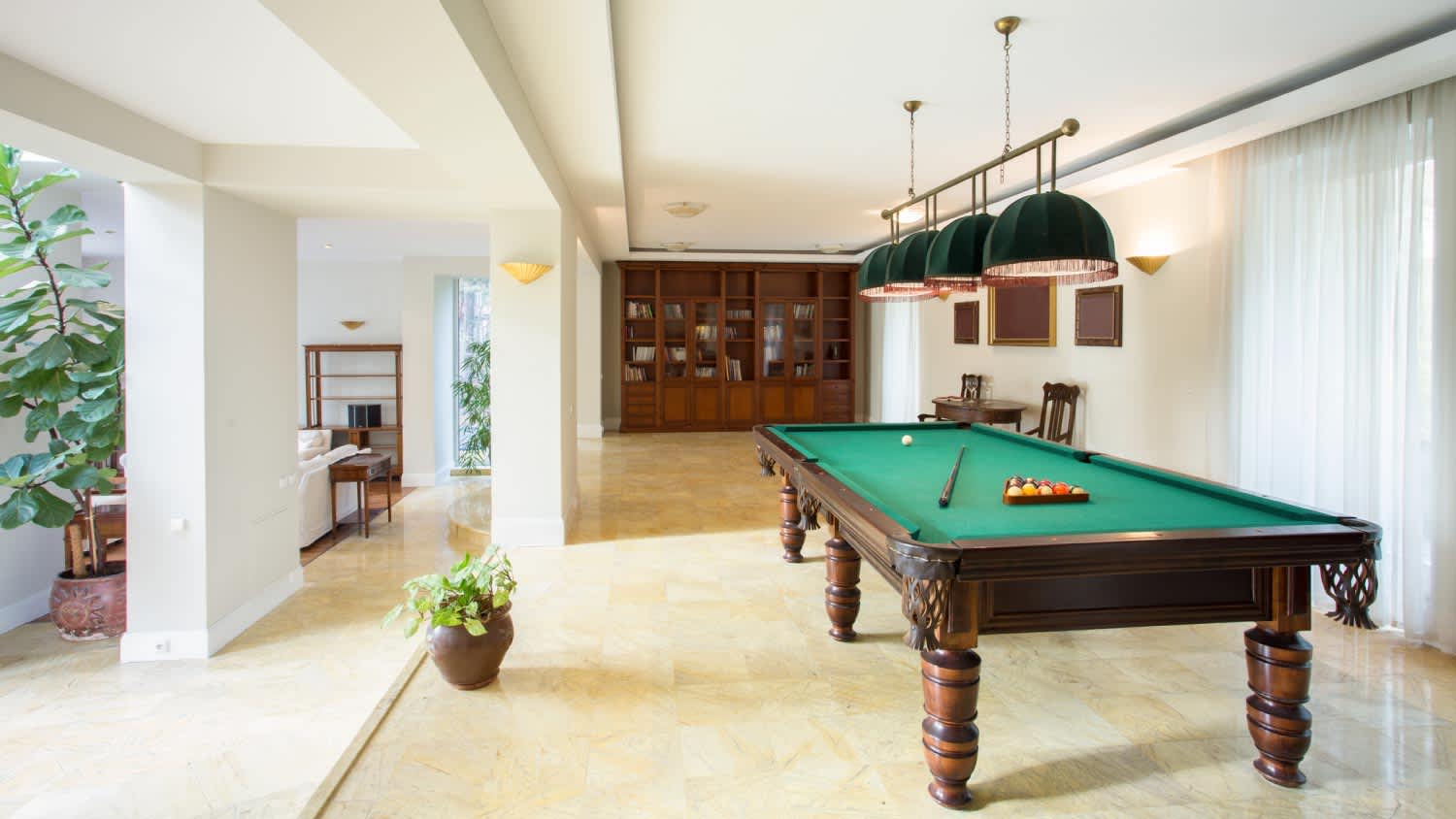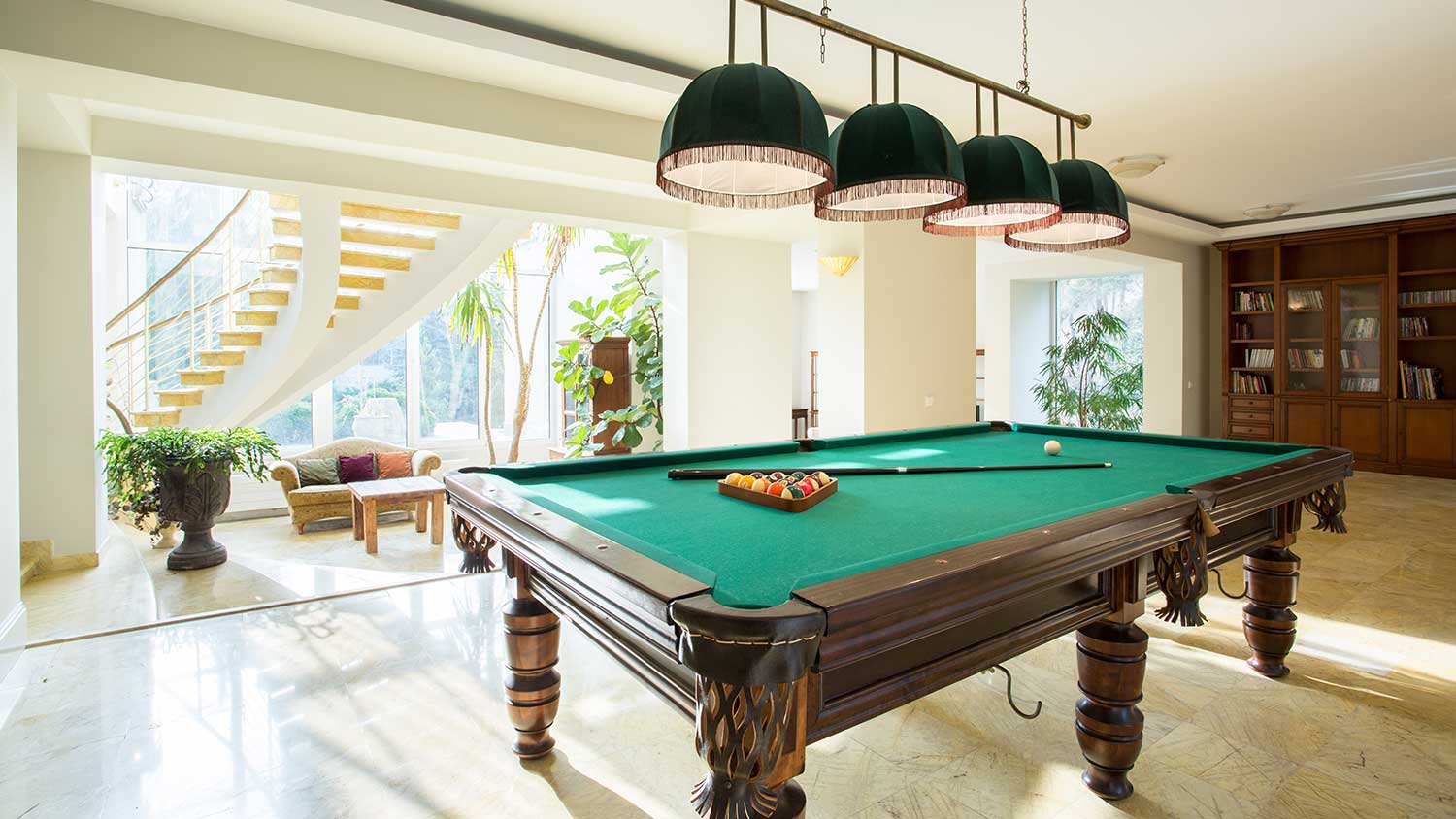







Top-rated pool table assembly pros.

Get matched with top pool table assembly pros in Mcconnellsburg, PA

Enter your zip and get matched with up to 5 pros

Need a pro for your pool table assembly project in Mcconnellsburg, PA?

Select your specific project to find the pro for you.

Find Pool table assembly pros in Mcconnellsburg

Showing 1-10 of 41
Pool Table Assembly questions, answered by experts

Yes, adding a pool to your property will almost always increase your homeowners insurance premiums. This is because pools are considered hazardous, which increases your home's liability risk. The replacement cost of the pool itself is also factored into your home's rebuilding cost when determining coverage limits. The amount of the increase can vary from as little as $50 to several hundred dollars more per year, depending on your insurance company, location, current coverage, and installed safety features. It is best to contact your insurance agent before installing a pool to get an estimate, understand their specific guidelines, and factor the ongoing cost into your budget.

No, you shouldn’t be able to taste the salt at all since saltwater pools only contain about 10% of the salt you’d find in ocean water. Saltwater pools do create some chlorine, though, so you should still try not to drink the water.

A swimming pool is an excellent way to cool down on a hot summer day, but the moment you step outside of your pool, you start to lose those cool vibes. With an outdoor mister that’s either set on a timer or goes off when you need it most, you’ll be able to enjoy a refreshing mist without having to swim another lap.

It's not ideal, and if your pool’s pH is seriously low (below 7), swimming can be dangerous until you raise it, potentially causing severe irritation and damage to the skin and eyes.

Keep in mind that low pH can also be responsible for damaging the pool itself. Acidic water can contribute to the cracking of your pool's liner, which may cost up to $2,500 to replace, making this an expensive fix.

Yes, pool pumps use a significant amount of electricity, making them one of the biggest energy consumers in a home. A pool pump can use up to three times as much electricity as a refrigerator. Typically, a residential pool pump consumes about 1 kilowatt-hour (kWh) for every hour it runs. Because pumps often need to run for about eight hours a day to properly filter the water, this can add up to an annual consumption of 3,000 to 5,000 kWh, which can cost between $480 and $800 per year based on average electricity rates.

The amount of electricity your pump uses depends on its size, energy efficiency, and daily run time. To lower your energy consumption, you can choose an energy-efficient or variable-speed pump, ensure it is correctly sized for your pool, and run it only for the minimum time required to keep the water clean.

The Mcconnellsburg, PA homeowners’ guide to pool table assembly services

From average costs to expert advice, get all the answers you need to get your job done.