


Top-rated pool table assembly pros.

Get matched with top pool table assembly pros in Mercersburg, PA

Enter your zip and get matched with up to 5 pros

Need a pro for your pool table assembly project in Mercersburg, PA?

Select your specific project to find the pro for you.

TRUSTED BY MERCERSBURG, PA HOMEOWNERS

  • Average homeowner rating star icon4.4
    Average homeowner rating
  • Verified reviews icon39
    Verified pool table assembly services reviews

Find Pool table assembly pros in Mercersburg

Avatar for S.K.H Construction LLC
S.K.H Construction LLC
5.0(
1
)
Handyman for Multiple Small Projects

Serving Mercersburg, PA and surrounding areas

In business since 2024

Free estimates

Emergency services offered

"Seth was very professional from estimate to job completion. The price was reasonable and the work was accomplished quickly. We are very happy to have had Spartan Structures do drywall work for us. The work was good quality and done in a timely manner. Thanks Seth!"
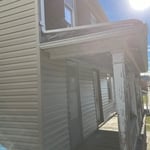
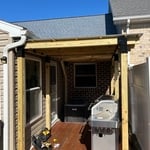
Decks & Porches Project
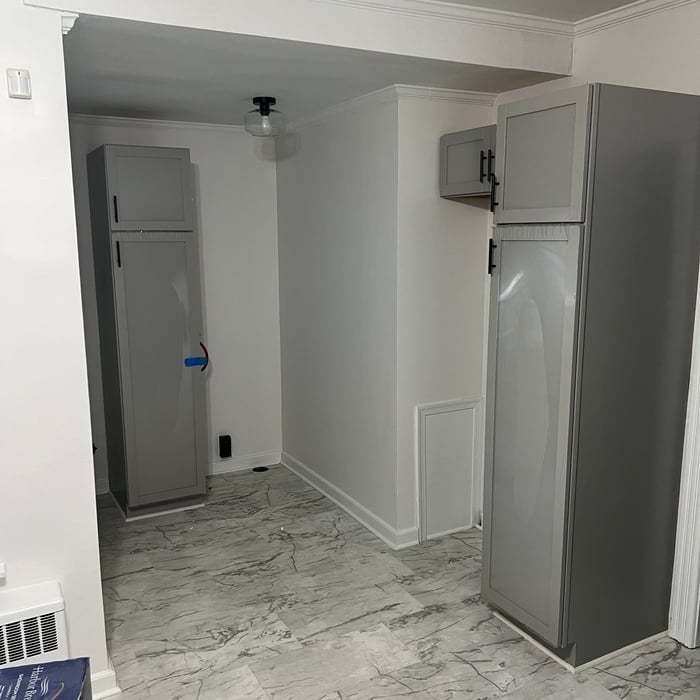
Remodeling - General Project
New siding and windows
Decks & Porches Project
Remodeling - General Project

+9

Recommended by100%of homeowners
Showing 1-10 of 39
Pool Table Assembly questions, answered by experts

The process involves selecting a site, preparing the ground, setting up a supportive frame, and securely installing the liner and water filtration system.

It’s a good idea to run the pool pump while swimming because your filter and skimmers will be active to help keep the water clean. Additionally, if you have pool features, you would naturally keep those pumps running while you swim. However, it’s not a requirement to run your pump while you swim.

No, shock and chlorine are not the same thing, though they are related and both are used for pool maintenance. Regular chlorine, often in the form of tablets, is a sanitizer used for routine, day-to-day maintenance to keep a steady chlorine level. Pool shock, however, is a highly concentrated dose of chlorine used periodically for a more intense cleaning. It rapidly raises chlorine levels to fix issues like cloudy water or algae growth and also eliminates chloramines, which are byproducts of regular chlorination. Because their purposes and concentrations differ, they are not interchangeable, and proper pool care typically requires using both.

An aboveground pool should be level within 1 inch—and it starts to become unsafe after a couple of inches. Any slope will lead to an uneven distribution of water, which will put pressure on your pool’s structure, wearing down the pool liner. In certain cases, it could cause your pool to collapse. Even if you’re within a safe window, you may still notice that the water level is uneven.

An easy way to know whether your sand filter has enough sand is to check how full the filter is and what the sand looks and feels like. The filter container should be two-thirds to three-quarters full of sand. Look for interior marks indicating the ideal sand level. If you put your hand into the sand, it should flow through your fingers without clumping. The filter pressure gauge is also an easy indicator—the right amount of sand leads to normal pressure, while too much or too little sand can cause high or low pressure.

The Mercersburg, PA homeowners’ guide to pool table assembly services

From average costs to expert advice, get all the answers you need to get your job done.