


Top-rated pool table assembly pros.

Get matched with top pool table assembly pros in Charlestown, PA

Enter your zip and get matched with up to 5 pros

Need a pro for your pool table assembly project in Charlestown, PA?

Select your specific project to find the pro for you.

TRUSTED BY CHARLESTOWN, PA HOMEOWNERS

  • Average homeowner rating star icon4.4
    Average homeowner rating
  • Verified reviews icon39
    Verified pool table assembly services reviews

Find Pool table assembly pros in Charlestown

Avatar for S.K.H Construction LLC
S.K.H Construction LLC
5.0(
1
)
Handyman for Multiple Small Projects

Serving Charlestown, PA and surrounding areas

In business since 2024

Free estimates

Emergency services offered

"Seth was very professional from estimate to job completion. The price was reasonable and the work was accomplished quickly. We are very happy to have had Spartan Structures do drywall work for us. The work was good quality and done in a timely manner. Thanks Seth!"
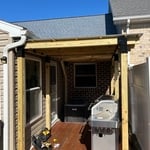
Decks & Porches Project
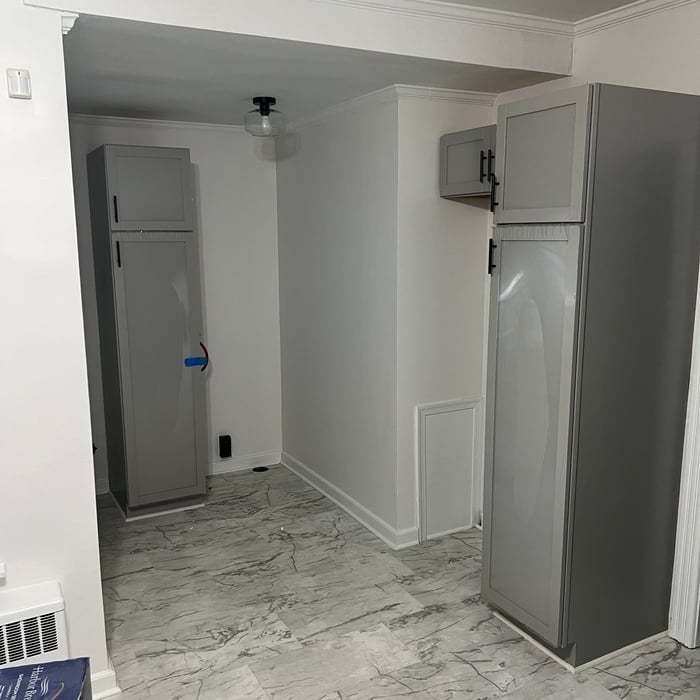
Remodeling - General Project
New siding and windows
Decks & Porches Project
Remodeling - General Project

+9

Recommended by100%of homeowners
Showing 1-10 of 40
Pool Table Assembly questions, answered by experts

You’ll need at least 50-by-10 feet for a residential lap pool. Endless pools need as little as 15-by-8 feet. Deciding which type of pool is right for you and your family will depend heavily on the size of your backyard and what can comfortably fit. Don’t forget to leave room for other structures and activities in your yard, such as a swing set, shed, garden, or outdoor grill.

Calcium lumps in a pool are calcium deposits that form when a pool's water parameters are not in the normal range. They can float around on the surface of the pool water, making it look and feel dirty. The most common causes of calcium lumps in pools are calcium hardness above 1,000 ppm, alkalinity over 120, and a pH over 7.8. Keeping your pool’s calcium levels, alkalinity, and pH levels within the normal, safe ranges is the best way to prevent calcium lumps and other problems, including damage to the pool surface.

The depth of your pool depends on its intended use, the size of your lawn, and whether you opt for an in-ground or aboveground pool. Aboveground pools tend to be between four and six feet deep while in-ground pools range anywhere from three to eight feet. Permanent installations also have the option of shallow and deep ends.

While you can install an above ground pool on most level surfaces, you’ll need sand to protect your liner from tearing. For example, rocks, plants, and twigs can take a toll on your liner. Adding sand will help level the pool even more. For additional support, you can also use angled foam or a foam pool cove.

Rectangular pools are the most popular inground pool shape, due to their adaptability to different uses, from swimming laps to hosting parties. These pools can easily include other sought-after features, such as tanning ledges, waterfalls, sport nets, and more. Rectangular pools are also often easier to install and maintain, and prefabricated rectangular pools generally have a shorter installation time, so you can start enjoying your pool faster.

The Charlestown, PA homeowners’ guide to pool table assembly services

From average costs to expert advice, get all the answers you need to get your job done.