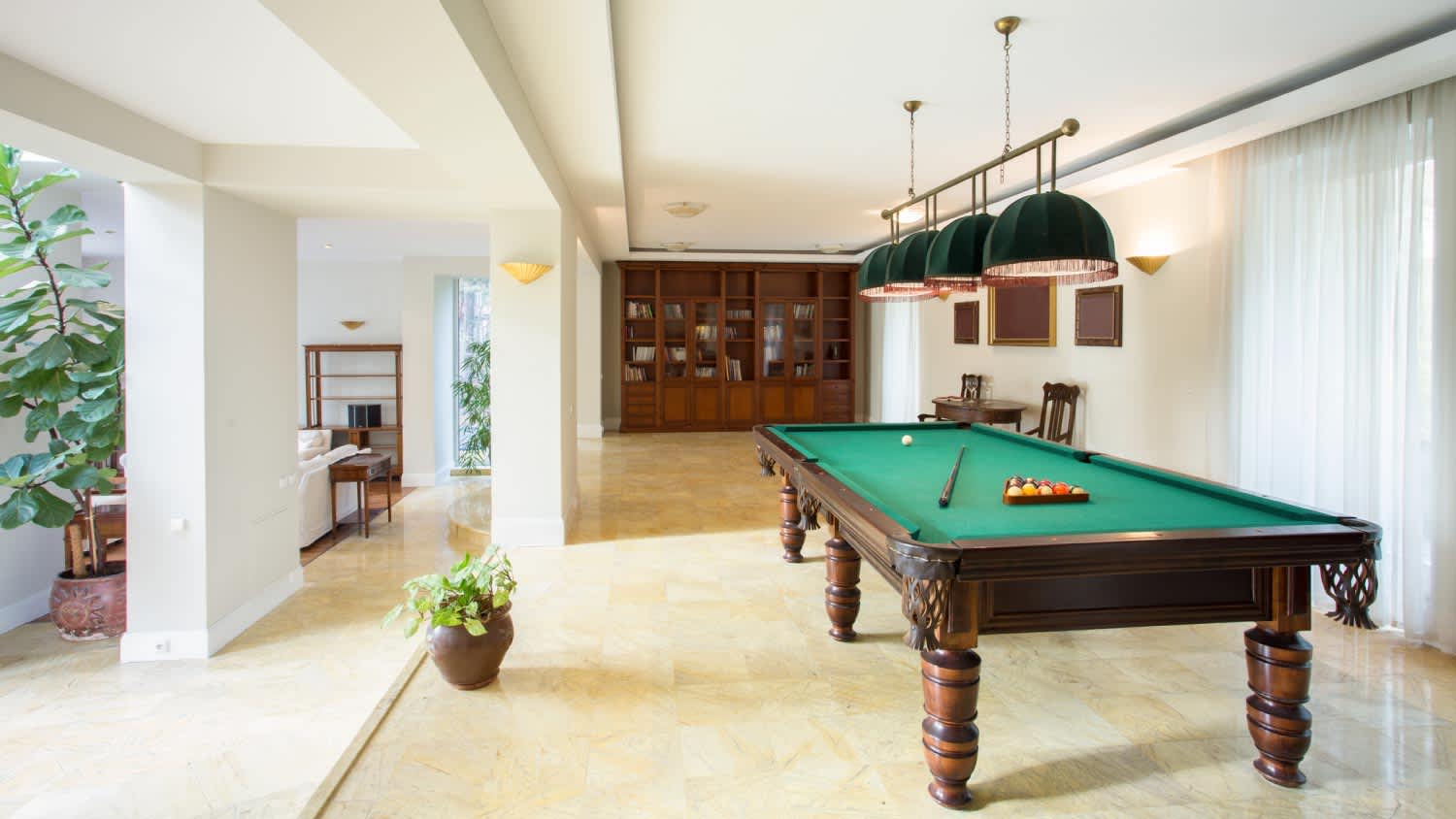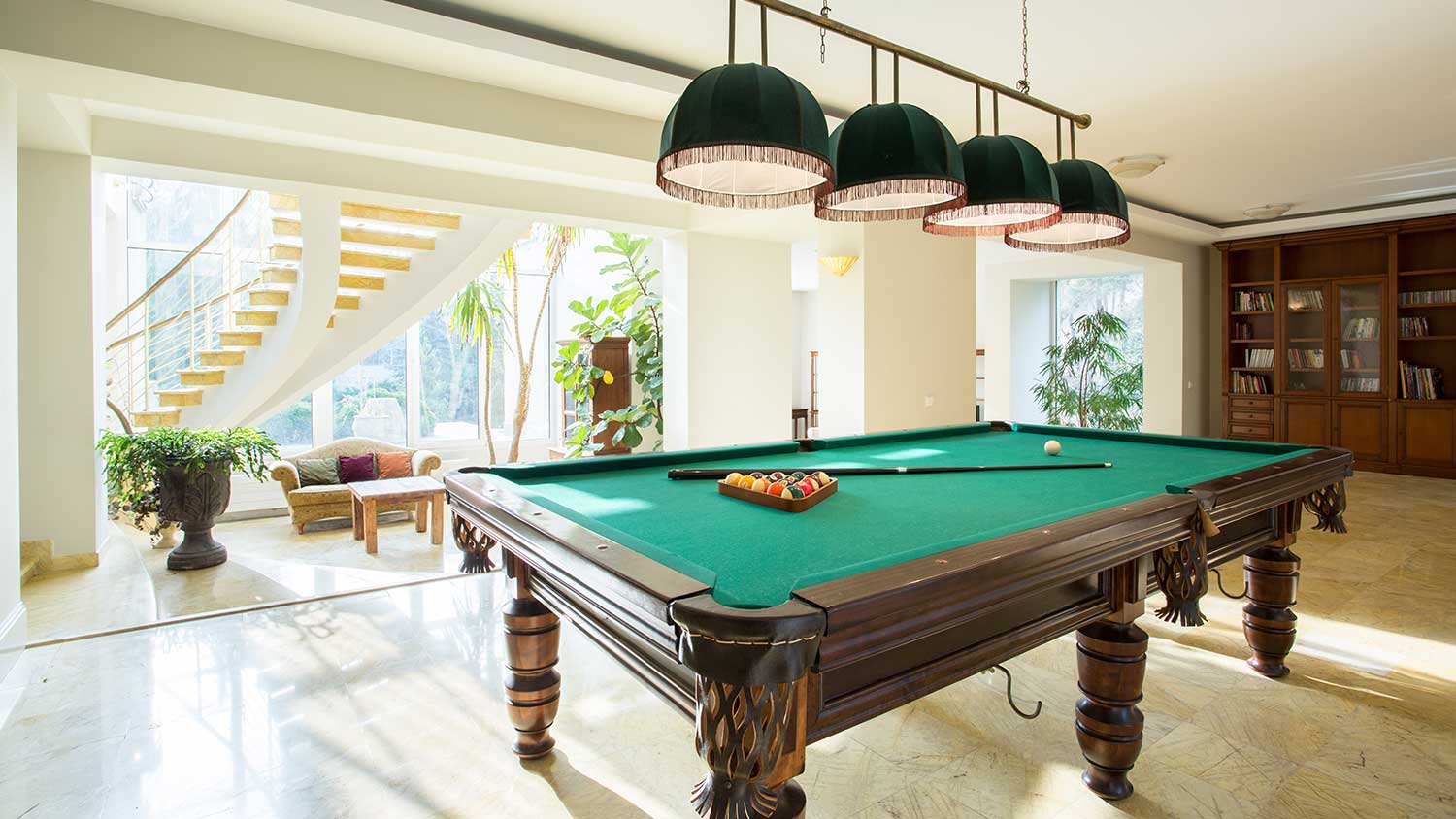


Top-rated pool table assembly pros.

Get matched with top pool table assembly pros in Three Springs, PA

Enter your zip and get matched with up to 5 pros

Need a pro for your pool table assembly project in Three Springs, PA?

Select your specific project to find the pro for you.

Find Pool table assembly pros in Three Springs

Showing 1-10 of 35
Pool Table Assembly questions, answered by experts

Your indoor pool can be heated or unheated, but the decision depends on your local climate. In regions with freezing temperatures, heating your pool will keep it warm during the winter, especially if it’s only covered with a greenhouse enclosure. 

If you keep your swimming water warm and toasty, budget between $300 and $5,700 for the cost of installing a pool heater.

You do not need to excavate or lay a foundation for a stock tank pool. You should, however, level the area where you plan to put the stock tank. Also, stock tanks full of water and people can get heavy, so do not place them on a deck or other raised structure that could collapse from the weight.

Yes, you will need building permits for an inground pool, and your pool installation company should pull them for you. The permit filing fee will usually sit between $400 and $1,800, and it should appear on your contract or invoice. You may want to confirm with your contractor that they will pull all necessary permits. You might also need a permit for a new fence, as many municipalities have special fencing requirements for properties with pools. A fence permit costs between $50 and $500. This expense may not be included in your pool installation estimate.

An easy way to know whether your sand filter has enough sand is to check how full the filter is and what the sand looks and feels like. The filter container should be two-thirds to three-quarters full of sand. Look for interior marks indicating the ideal sand level. If you put your hand into the sand, it should flow through your fingers without clumping. The filter pressure gauge is also an easy indicator—the right amount of sand leads to normal pressure, while too much or too little sand can cause high or low pressure.

Calcium lumps in a pool are calcium deposits that form when a pool's water parameters are not in the normal range. They can float around on the surface of the pool water, making it look and feel dirty. The most common causes of calcium lumps in pools are calcium hardness above 1,000 ppm, alkalinity over 120, and a pH over 7.8. Keeping your pool’s calcium levels, alkalinity, and pH levels within the normal, safe ranges is the best way to prevent calcium lumps and other problems, including damage to the pool surface.

The Three Springs, PA homeowners’ guide to pool table assembly services

From average costs to expert advice, get all the answers you need to get your job done.