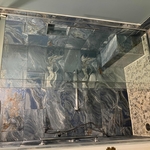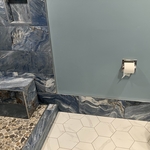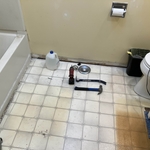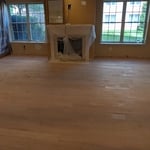





Top-rated flooring contractors.

Get matched with top flooring contractors in Marion, PA

Enter your zip and get matched with up to 5 pros

TRUSTED BY MARION, PA HOMEOWNERS

  • Average homeowner rating star icon4.5
    Average homeowner rating
  • Verified reviews icon64
    Verified flooring services reviews

Find Flooring contractors in Marion

Wenger Do it All
5.0(
6
)
Vinyl or Linoleum Sheet Flooring or Tiles - Repair- For BusinessWood Flooring - Repair or Partially Replace- For Business

Serving Marion, PA and surrounding areas

In business since 2013

Free estimates

Credit card accepted

""The project is top notch. Not only did he consistently show up on time, but he finished the project early and was willing to reschedule the final walkthrough multiple times to accommodate our schedule. Final project turned out great!""
Recommended by66%of homeowners
Avatar for Maryland Carpet Installations
Maryland Carpet Installations
5.0(
30
)
Carpet - InstallCarpet - Repair, Refasten, or StretchCarpet - Repair, Refasten, or Stretch- For Business

Serving Marion, PA and surrounding areas

In business since 1986

Free estimates

Warranties offered

"After buying the laminate flooring for my kitchen and I thought I would install it myself ( after all how hard could it be ). Well after three frustrating days I decided to go to Home Advisor. Maryland Carpet Installations called and agreed to do the work. They were professional and timely not only that but I now have a great floor in my kitchen thanks to them. Highly recommended."
Laminate
Lvt
Lvp
Lvp
Lvp

+26

Response time1 day
Response rate91%
Recommended by100%of homeowners
...
Showing 1-10 of 78
Flooring Installation questions, answered by experts

No, when done correctly, removing the tile shouldn’t damage the subfloor. However, if there was pre-existing damage to the subfloor from standard use or lack of maintenance, the subfloor may need repairs. For example, if the contractors notice mold growth on the subfloor or an uneven surface, you may need more extensive services before installing new tile.

If you DIY tile removal, remove the tiles one step at a time, individually removing the tile, grout, and mortar to prevent unnecessarily damaging the subfloor. Depending on the age of your home, consider having a professional inspect the subfloor to ensure it’s in good enough condition to lay new tile.

Squeaking floors don’t usually pose an immediate safety risk. It can be the result of normal settlement, changes in humidity, or natural wear. Uneven or warped floors do pose a trip risk, so you should call a pro for a repair. This is especially true if you notice visible signs of rot or deterioration. Rarely, a creaking floor can signal structural issues, but there are usually other signs.

You can get away with stretching the carpet with some remaining items of furniture, so long as you have ready access to the parts of the carpet that require maintenance and you are not stretching through the furniture, as this leads to tears and fraying. Try to remove at least 50% of the furniture if you can’t remove it all.

There are a couple of color options to consider when installing carpet in high-traffic areas (like entrances and stairways). Medium-toned colors and patterned carpets can work well in these parts of your home because dirt and stains can blend in easily. Dark carpets will also conceal marks and spills, but they show lint and other light-colored debris. Consider a medium brown or tan for your high-traffic areas. Either way, it’s best to avoid paler shades, like white and cream, which get dirty easily.

While it is possible to install carpet yourself, it is a challenging DIY project that requires precise measurement, proper cutting skills, and knowledge of correct installation techniques. The process involves multiple steps, including removing old flooring, installing underlayment and tack strips, and stretching the carpet to prevent wrinkles, which can take several days to complete.

Before starting, consider these factors:

  • Warranty: Many manufacturers' warranties are voided if the carpet is not installed by a professional.

  • Tools: You will need to buy or rent specialized equipment like a knee kicker, carpet stretcher, and seam roller.

  • Complexity: DIY installation is most suitable for simple, straightforward rooms. Projects involving stairs or floor vents are significantly more difficult.

  • Cost: While you can save on labor, the cost of tools plus the risk of expensive mistakes—which may require re-installation—can make hiring a professional more cost-effective in the long run.

Given the potential for errors, voided warranties, and the need for special tools, hiring a local carpet installer is often recommended to ensure the job is done correctly and safely.

The Marion, PA homeowners’ guide to flooring services

From average costs to expert advice, get all the answers you need to get your job done.