


Top-rated excavation pros.

Get matched with top excavation pros in Knox, PA

Enter your zip and get matched with up to 5 pros

Need a pro for your excavation project in Knox, PA?

Select your specific project to find the pro for you.

Find Excavation pros in Knox

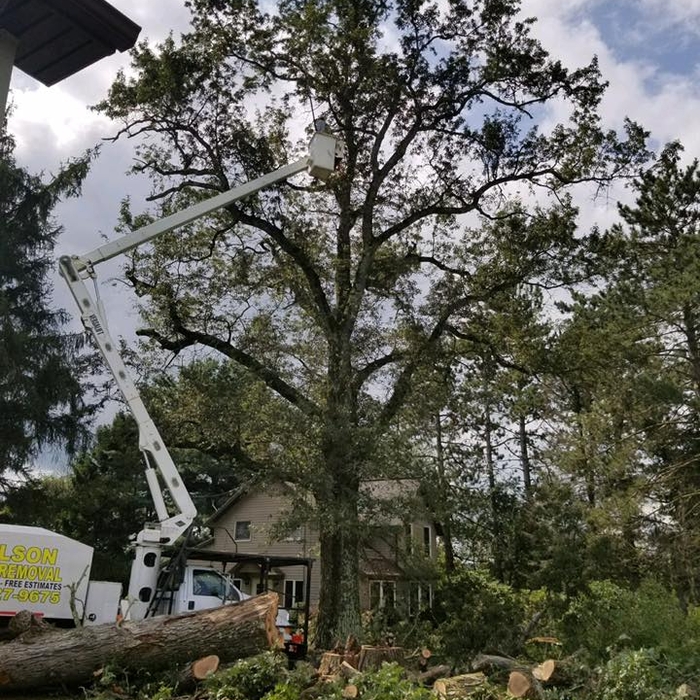
Avatar for Wilson Tree Removal
Wilson Tree Removal
5.0(
2
)
Building Site - Preparation and Clearing

Serving Knox, PA and surrounding areas

Approved

In business since 2012

Free estimates

Emergency services offered

"They showed up on time and finished faster than we anticipated. They even came back at my request to help me make better cleanup. I highly recommend them. I'm very happy with the final result."
tree removal
tree removal
tree removal
tree removal
tree removal

+10

Response time9 hrs
Recommended by100%of homeowners
JD Hauling
5.0(
1
)
Building Site - Preparation and ClearingBuilding Site - Preparation and Clearing - For BusinessExcavation - Major Grading or Resloping - For Business

Serving Knox, PA and surrounding areas

Approved

In business since 1984

Free estimates

Credit card accepted

With over 20 years of experience, we are the experts you need for your home or business. We handle everything from land clearing to commercial paving. We will treat your home or business as we would treat our own. Give Deeters Farm Construction a call today, we look forward to working with you!

Response time20 mins
Response rate100%
Recommended by100%of homeowners

D&M Services
5.0(
1
)
Building Site - Preparation and Clearing

Serving Knox, PA and surrounding areas

Approved

In business since 2020

Credit card accepted

Offers commercial services

"I recently hired D&M Tree Service to remove a large oak tree that fell across my yard. From start to finish, the entire process was seamless and professional. Daniel provided a fair and honest estimate the same day I called, and his team arrived promptly on the scheduled day. Despite the snow and cold temperatures on February 15th, they were efficient and worked quickly, removing the tree and cleaning up all the debris. They even went the extra mile and disposed of patio furniture that was damaged by the tree. I was very impressed with their professionalism, attention to detail, and overall work ethic. I highly recommend D&M Tree Service for any tree removal needs in DuBois."
Response time2 days
Avatar for Sloan Construction Company
Sloan Construction Company
New to Angi
Building Site - Preparation and Clearing - For Business

Serving Knox, PA and surrounding areas

Approved

In business since 1988

Free estimates

Offers commercial services

We're a locally owned and operated company with over 22 years of industry experience. We value honesty and integrity in all aspects of our business. We offer a variety of Home Improvement services that are customizable to each individual project. Thank you for choosing Sloan Construction Inc

Response time10 mins
...
Showing 1-10 of 52
Excavating questions, answered by experts

The best type of soil to build on is a mixture of sand and clay, known as loam soil. Loam soil has the best combination of these soil types to build a foundation on. The clay particles help with water retention, so it won’t erode like sandy soil might, and the sandy particles help with drainage, so you won’t see unsafe soil expansion or have an increased risk of leaks from water sitting against your foundation.

Septic drain lines (or leach lines) are typically buried between 18 and 36 inches underground, and should be at least 6 inches below the surface. These pipes are perforated and surrounded by filtering materials like sand or gravel. Burying the lines at this depth helps minimize odors and allows bacteria and other biological processes in the soil to effectively treat the wastewater. Burying lines too close to the surface can cause issues unless the soil is very compact and stable.

To locate an underground downspout, you should start by identifying where the above ground gutter drains. Look for an entry point, such as a pipe or elbow leading into the ground. Follow the surface path for signs like depressions, landscaping disruptions, or wet areas after rain. You can use a metal detector or plumber’s snake to trace the pipe underground. For deeper pipes, a professional locator tool or camera inspection may be necessary. Visual markers or utility maps can also guide the search.

Most residential basements are 8 to 10 feet deep. You can dig deeper depending on building codes, but it does become more difficult. You’ll likely need to install stronger foundation walls and additional supports to handle the increased load. Depending on the water table, you may also need a water management system. Clay soil can support a deeper foundation than sandy soil. A structural engineer will be able to tell you the maximum, feasible depth.

As a general rule, the protected area should be about 1½ times as wide as the canopy of the tree’s leaves. This digging measurement can vary by tree species and the age of the tree. Of course, that can be a lot of fencing for larger trees, which is why our first step is about making difficult decisions on which trees to save.

The Knox, PA homeowners’ guide to excavation services

From average costs to expert advice, get all the answers you need to get your job done.