

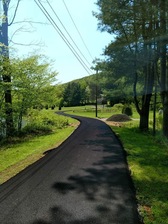



Top-rated asphalt driveway pros.

Best asphalt driveway pros near Johnsonburg, PA

Enter your zip and get matched with up to 5 pros

Need a pro for your asphalt driveway service project in Johnsonburg, PA?

Select your specific project to find the pro for you.

Top-Rated Asphalt driveway pros in Johnsonburg - Updated Nov 2026

Avatar for Rock-A-Fellas Co Inc
Rock-A-Fellas Co Inc
4.5(
23
)
Gravel or Loose Fill Paving - Install, Spread or ScrapeGravel or Loose Fill Paving - Install, Spread or Scrape - For Business

Serving Johnsonburg, PA and surrounding areas

In business since 2003

Credit card accepted

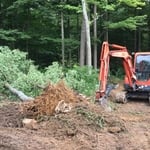
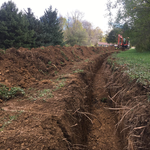
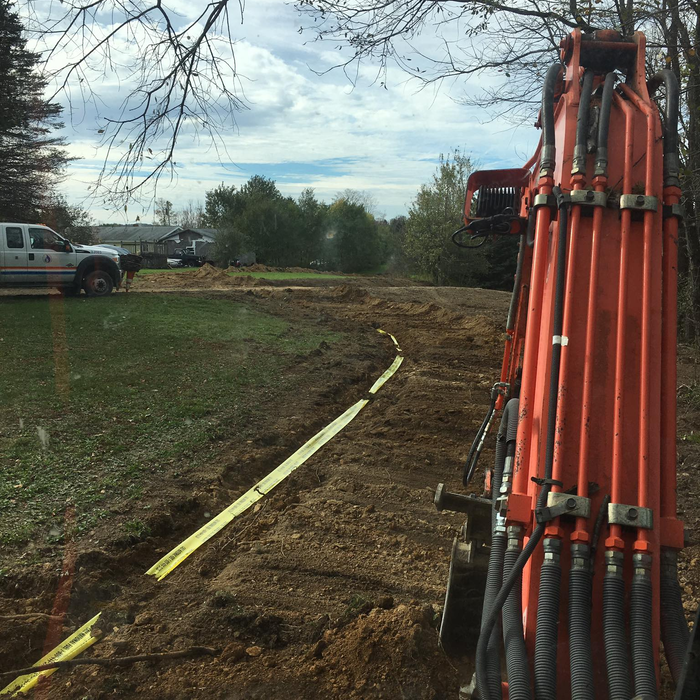
"We had a shed pad installed for our new shed. Bob really worked to make sure we understood the different types of pads we could get as well as the ground leveling process. He was the only contractor we talked to that put the pad in the ground (excavating some dirt) so that it didn't just sit on top. As an added bonus, he swiped away a patch of really thick ivy that we've been struggling with. When scheduling the pad, he did delay the installation due to weather issues, showing real concern that if we didn't delay at least a day, the installation would be less than the professional level he likes to leave with. I left for the morning to go to work and when I came home, the pad was ready for a shed.
Bob shows a concern for his homeowner's well being in all matters and is very knowledgable. I fully recomend him to anyone seeking a similar install, and will consider Rock-a-fella's when ever I have a gravelly/patio/deck need in the future.
"
Additional Photos
Additional Photos
Additional Photos
Additional Photos
Additional Photos

+14

Recommended by100%of homeowners
Showing 1-10 of 33
Asphalt Driveways FAQs, answered by experts

It takes recycled asphalt 48 hours to initially harden and up to 3 months to fully cure. It’s best to stay off of recycled asphalt for at least 48 hours, then you can walk or drive standard vehicles on it. Hold off on driving heavy trucks or equipment on it for at least 7 days. Allowing the surface to melt together and harden ensures that the surface stays durable and long-lasting. 

Asphalt and tarmac are not the same thing. Traditional tarmac, short for tarmacadam, uses tar as a binder to hold crushed stone together. Asphalt uses bitumen—a byproduct of crude oil—to bind aggregate. Though tarmac was once a go-to for roads, asphalt has become the modern standard. And these days, most surfaces referred to as “tarmac” are actually asphalt. So, while the names may overlap, the key distinction lies in the binder—tar for tarmac and bitumen for asphalt.

You should contact your driveway installer before winterizing a newly installed driveway. Winterizing it before the asphalt or concrete has fully cured can damage the driveway. But in many cases, you don't need to winterize a newly installed driveway anyway since it's likely freshly sealed and won't have much damage yet. 
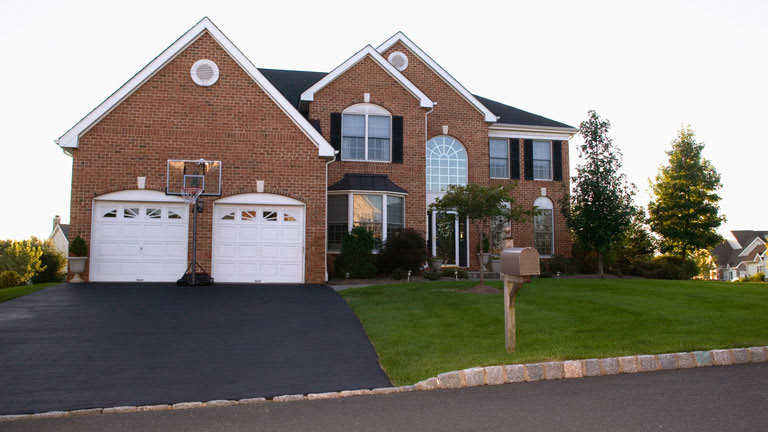
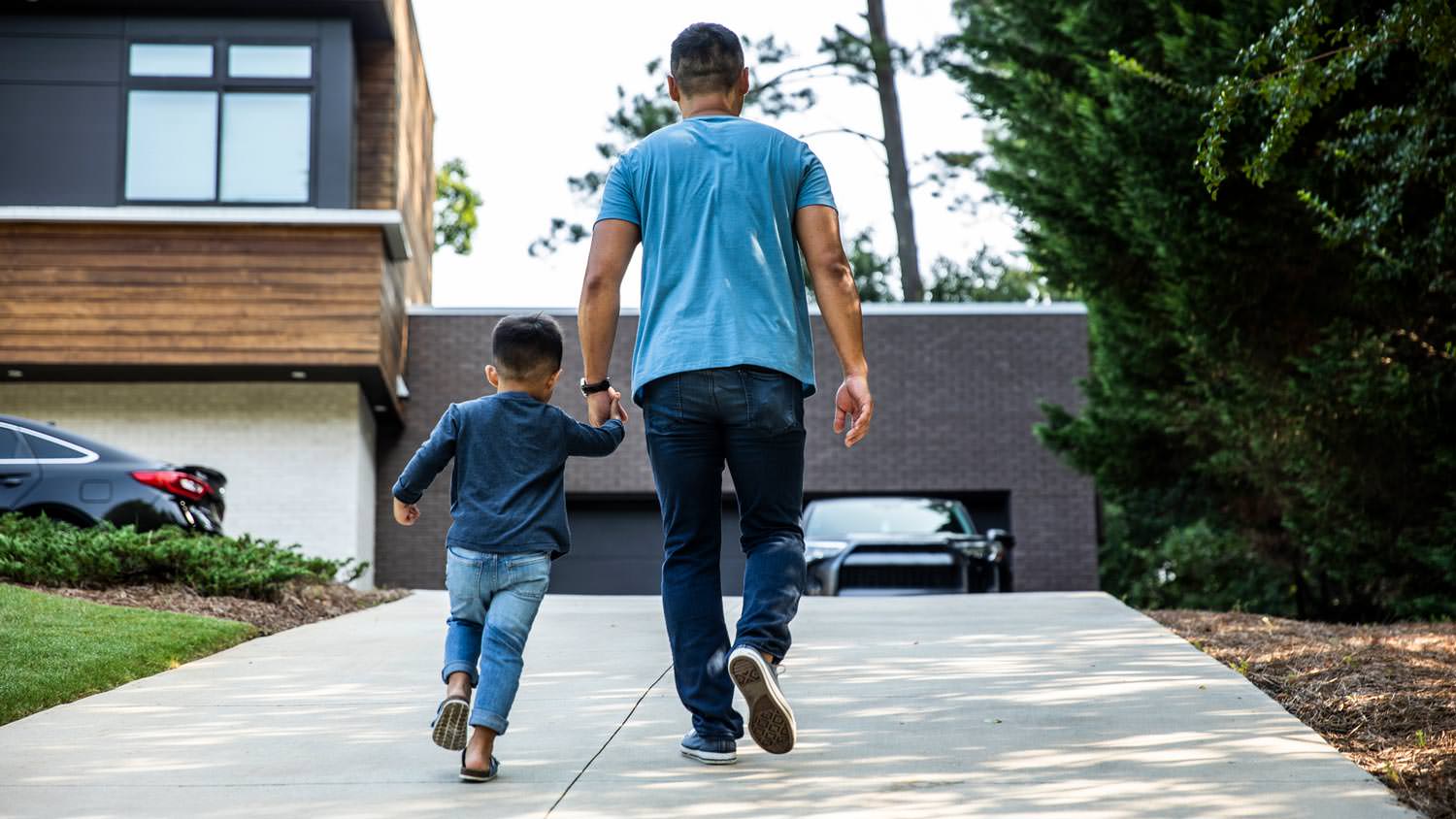
While some areas may allow for a slope of up to 20%, this is often the maximum slope for driveways, with a few exceptions of up to 25%. Other regions may have a maximum of 12%, 15%, or 18%, so check with your local building department to ensure you’re laying a driveway that is up to code for your location.

When comparing installation costs, asphalt is often less expensive upfront than concrete. Asphalt prices typically range from $7 to $15 per square foot, while concrete can range from $3 to $18 per square foot. However, long-term costs should also be considered. Concrete driveways generally last longer (up to twice as long) and require less maintenance, which can make them more affordable over their lifespan. While asphalt has a lower installation cost and is easier to repair, it requires more frequent maintenance, such as sealing, which can add up over time. Therefore, while concrete is more expensive initially, its durability may offset the cost in the long run.

The Johnsonburg, PA homeowners’ guide to asphalt driveway services

From average costs to expert advice, get all the answers you need to get your job done.