


Top-rated asphalt driveway pros.

Get matched with top asphalt driveway pros in Wilcox, PA

Enter your zip and get matched with up to 5 pros

Need a pro for your asphalt driveway service project in Wilcox, PA?

Select your specific project to find the pro for you.

Find Asphalt driveway pros in Wilcox

Avatar for CanDoKen&Son
CanDoKen&Son
2.8(
29
)
Gate for Driveway or Security - Install or Replace
Serving Wilcox, PA and surrounding areas

In business since 1993

Free estimates

Emergency services offered

"Very well. I really admire Ken because he traveled a long, long way to do this work. He is very thorough and identified a much larger problem than the one I thought I had. Ken does nice work and sincerely tries to help. The only knock I have is that he was 2 hours late to the appointment. In fairness to him, he had to travel at least an hour to get to me and was unfamiliar with the roads, and he did keep in contact. That said, he was late starting the job."
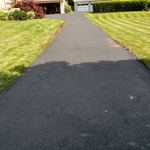
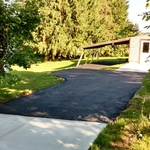
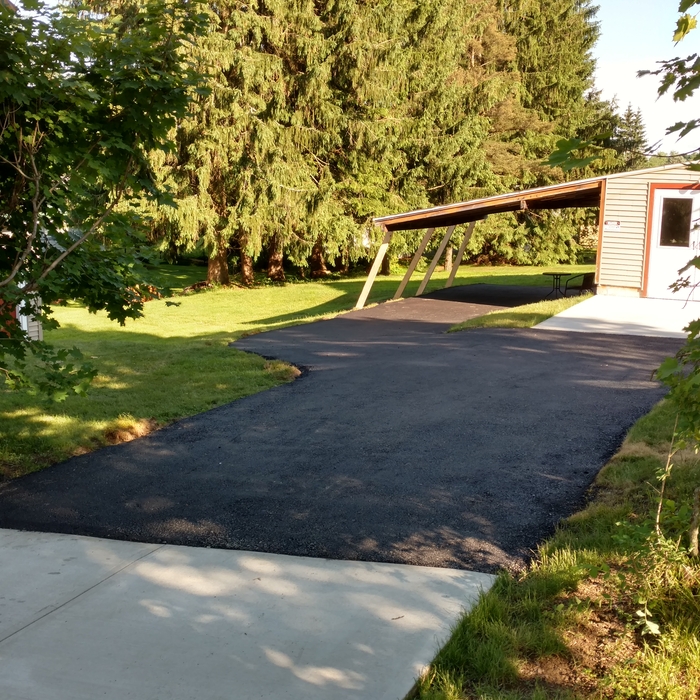
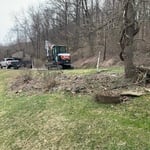
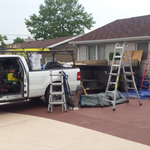
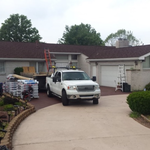
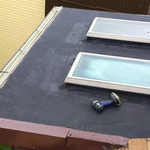
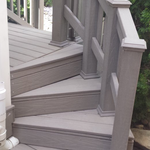
Additional Photos
Additional Photos
Additional Photos
Additional Photos
Additional Photos

+11

Recommended by75%of homeowners
Showing 1-10 of 31
Asphalt Driveways questions, answered by experts

Driveways should be sloped with a minimum 2% slope—anything lower will cause precipitation and runoff to collect. A 2% slope is the equivalent of a 2-foot rise over 100 feet. One quick way to check the integrity of your driveway’s slope: no more than four inches of water should collect on the surface longer than 15 minutes after rain.

Asphalt is not a type of concrete. While both are a common type of pavement, asphalt is composed of aggregates (like sand and gravel) and bitumen; concrete is a mixture of cement, aggregates, and water. Here are some of the key differences between asphalt and concrete driveways.

Regular sealing, crack filling, and professional inspections help extend pavement lifespan and prevent costly repairs.

Asphalt and tarmac are not the same thing. Traditional tarmac, short for tarmacadam, uses tar as a binder to hold crushed stone together. Asphalt uses bitumen—a byproduct of crude oil—to bind aggregate. Though tarmac was once a go-to for roads, asphalt has become the modern standard. And these days, most surfaces referred to as “tarmac” are actually asphalt. So, while the names may overlap, the key distinction lies in the binder—tar for tarmac and bitumen for asphalt.

It takes recycled asphalt 48 hours to initially harden and up to 3 months to fully cure. It’s best to stay off of recycled asphalt for at least 48 hours, then you can walk or drive standard vehicles on it. Hold off on driving heavy trucks or equipment on it for at least 7 days. Allowing the surface to melt together and harden ensures that the surface stays durable and long-lasting. 

The Wilcox, PA homeowners’ guide to asphalt driveway services

From average costs to expert advice, get all the answers you need to get your job done.