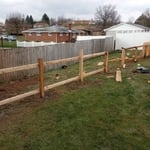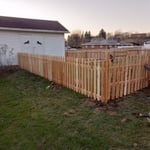

Top-rated drywall pros.

Best drywall pros near Jennerstown, PA

Enter your zip and get matched with up to 5 pros

Need a pro for your drywall service project in Jennerstown, PA?

Select your specific project to find the pro for you.

Top-Rated Drywall pros in Jennerstown - Updated Nov 2026

Summit General Contracting and Development
New to Angi
Drywall - Install - For BusinessDrywall - Repair - For Business

Serving Jennerstown, PA and surrounding areas

Approved

Summit General Contracting & Development is a full-service residential and commercial contractor serving Westmoreland County and surrounding areas. From interior and exterior painting and flooring to remodeling, drywall, carpentry, demolition, repairs, and property improvements, we handle projects from start to finish with quality workmanship and attention to detail. Whether you’re updating a single room, renovating an entire property, or tackling a commercial project, Summit is built to get the job done right.

Avatar for Rock-A-Fellas Co Inc
Rock-A-Fellas Co Inc
4.5(
23
)
Drywall - InstallDrywall - Install - For BusinessDrywall - Repair+1 more

Serving Jennerstown, PA and surrounding areas

In business since 2003

Credit card accepted

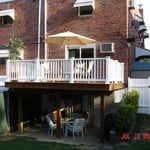
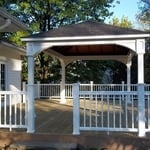
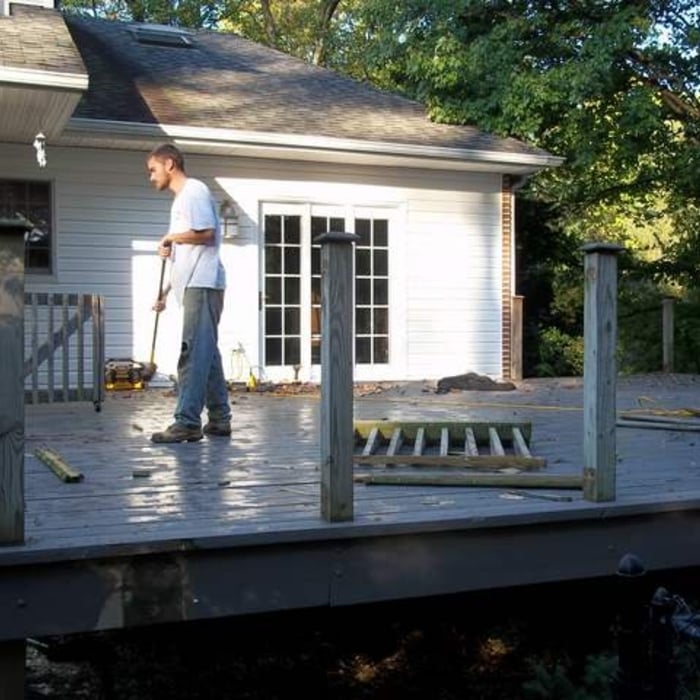
"In March 2011, a rock pad was laid as a foundation for our large garage being delivered.  Excellent work performed.  As a result of the impressive, professional job done, we had Rock a Fellas redo our deck in July, 2011.  A re-decking took place with Timbertech decking materials with radiance rails.  This was not an easy job, but Rock was very helpful in offering important advice and opinions on where to select materials etc.  He also took care of ordering the dumpster to haul away debris, a detail which can be overlooked by an overwhelmed customer.  He also rectified any concerns/issues with a prompt, professional manner which ultimately led to our great satisfaction when job was completed.
"
Additional Photos
Additional Photos
Additional Photos
Additional Photos
Additional Photos

+14

Recommended by100%of homeowners
...
Showing 1-10 of 94
Drywall FAQs, answered by experts

The two most common drywall thicknesses for ceilings are 1/2-inch and 5/8-inch. For most standard residential applications, 1/2-inch drywall is sufficient and widely used. It provides adequate support and is lighter and easier to handle during installation compared to thicker sheets. However, 5/8-inch drywall is often used for specific cases where additional benefits are needed. It is heavier but provides superior sound dampening and fire resistance. You should consider using 5/8-inch drywall for ceilings in commercial buildings, between a garage and a living space, or above a finished basement to meet building codes or for enhanced soundproofing.

The time it takes for thinset to dry is determined by your room’s ambient temperature and humidity levels. Assuming the average humidity level is around 40% with an average temperature of 70 degrees Fahrenheit, thinset can dry within 48 hours. Lower temperatures and higher humidity can extend the curing process beyond 72 hours, while high heat and zero humidity can shorten the curing process. However, thinset can crack if it dries too fast.

Plaster is denser, harder, and more porous than drywall, so it absorbs moisture differently. This means you’ll often need more prep work, such as thorough sanding, patching, and priming with a high-quality bonding primer. Additionally, you may need more coats of paint to achieve even coverage. While the process takes more time, it helps ensure a durable and professional-looking result.

The easiest way to tell if a wall is load bearing is to check if it’s an exterior wall or if it runs perpendicular to the joists above and below it (or parallel to beams). Exterior walls are almost always load-bearing, and walls that run under beams or parallel to them are also usually load-bearing. There are exceptions to these rules, and walls that don’t fit into these categories can still be load-bearing. If you’re unsure, hire a structural engineer to look at your home to assess whether or not the wall is structural.

Choose a drill bit that is the size of the screws of the anchors you will use. You aren’t drilling through metal or concrete—hopefully—so any standard twist, wooden or all-purpose drill bit will work fine. It’s also important to have a screwdriver capable of drilling through the drywall and into the stud. The good news is most available drills, even the older ones, can do this with no issue.

The Jennerstown, PA homeowners’ guide to drywall services

From average costs to expert advice, get all the answers you need to get your job done.