









Top-rated deck staining pros.

Get matched with top deck staining pros in Yatesville, PA

Enter your zip and get matched with up to 5 pros

Need a pro for your deck staining project in Yatesville, PA?

Select your specific project to find the pro for you.

TRUSTED BY YATESVILLE, PA HOMEOWNERS

  • Average homeowner rating star icon4.1
    Average homeowner rating
  • Verified reviews icon18
    Verified deck staining services reviews

Find Deck staining pros in Yatesville

Avatar for North Atlantic Contracting & Handyman Service, LLC
North Atlantic Contracting & Handyman Service, LLC
3.3(
24
)
Exterior Home or Structure - Paint or Stain: LargeExterior Home or Structure - Paint or Stain: Medium

Serving Yatesville, PA and surrounding areas

Approved

In business since 2012

Free estimates

Emergency services offered

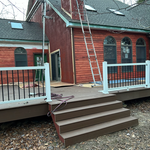
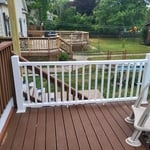
"Prompt, reliable, and professional service. Good communication with Steve via email and Dennis on site before, during, and after the project was completed. Fair price for the job and good workmanship. I have already recommended them to others. I had them replace the railing, treads, and bottom platform of an outdoor staircase leading up to a second story deck."
New Bathroom
New Bathroom
New Bathroom
New Bathroom
Backsplash

+18

Response time5 hrs
Response rate88%
13 neighbors recently requested a quote
...
Showing 1-10 of 99
Deck Staining questions, answered by experts

The best type of paint for concrete exterior surfaces like concrete porches, steps, or walkways is high-quality exterior-grade paint with strong weather resistance. Acrylic latex blends with tiny anti-slip particles will help create an anti-slip coating for your concrete porch. This type of paint will stand up best to the elements, especially rain, snow, and ice. An exterior epoxy will also help strengthen your concrete porch.


Staining or sealing a cedar deck or fence is highly recommended to extend its lifespan and protect it from the elements. While cedar is naturally resistant to mold and mildew, it is not impervious to damage from moisture, sun exposure, splintering, fading, and rot over time. Applying a protective finish creates a shield that preserves the wood's strength and appearance, potentially extending its life by five to 10 years.

When choosing a finish, it's helpful to understand the difference between a sealer and a stain. A sealer sits on top of the wood, whereas a combination stain and sealer soaks into the top layer. Because it penetrates the wood, a stain generally offers better protection against UV damage and rot and lasts significantly longer. For the best results that also preserve the wood's natural color, consider using a near-translucent stain.

To maintain protection, plan on reapplying the stain or sealer every two to three years, either as a DIY project or by hiring a professional.

Opt for an interior wood stain that is rated for your type of wood. Consider your personal style preferences as well as the overall use of the room when choosing a color. Remember, the color you see at the store may look different on your actual floors once applied. This is why if you have the chance, it’s helpful to test a few options on a scrap piece of wood in the room first. Once you narrow it down, you can test a small patch on an inconspicuous area in the room to see it on the actual floors.

Yes, you can and should paint or stain pressure-treated wood, as this helps prevent the surface from cracking. However, it is crucial to wait for the wood to dry out completely from the chemical treatment process before applying a finish. If the wood is still wet, the paint will not adhere properly. The drying time can range from weeks to six months. To test if the wood is ready, drip some water onto a board. If the water is absorbed, the wood is dry enough for painting or staining. If the water beads up on the surface, it needs more time to dry. You can build with the wood while it's still wet, but you must wait for it to dry before painting.

Yes, staining or sealing a cedar deck or fence is highly recommended to extend its lifespan, typically by five to 10 years. While cedar is naturally resistant to mold and mildew, it can still fall victim to moisture, sun exposure, and rot over time. Applying a treatment creates a protective shield that helps prevent splintering, fading, and decay, preserving the wood's strength and appearance. A combination stain and sealer often provides the best protection, as it soaks into the wood grain rather than just sitting on top. This offers superior defense against UV damage and rot and lasts longer than a sealer alone. To maintain the wood's natural look, consider using a near-translucent stain. You should plan to reapply the stain or sealer every two to three years.

The Yatesville, PA homeowners’ guide to deck staining services

From average costs to expert advice, get all the answers you need to get your job done.