





Top-rated pool table assembly pros.

Get matched with top pool table assembly pros in Fleetwood, PA

Enter your zip and get matched with up to 5 pros

Need a pro for your pool table assembly project in Fleetwood, PA?

Select your specific project to find the pro for you.

TRUSTED BY FLEETWOOD, PA HOMEOWNERS

  • Average homeowner rating star icon4.4
    Average homeowner rating
  • Verified reviews icon84
    Verified pool table assembly services reviews

Find Pool table assembly pros in Fleetwood

Avatar for Simpson's Painting and Repairs
Simpson's Painting and Repairs
4.6(
37
)
Handyman for Multiple Small Projects

Serving Fleetwood, PA and surrounding areas

In business since 2015

Free estimates

Emergency services offered

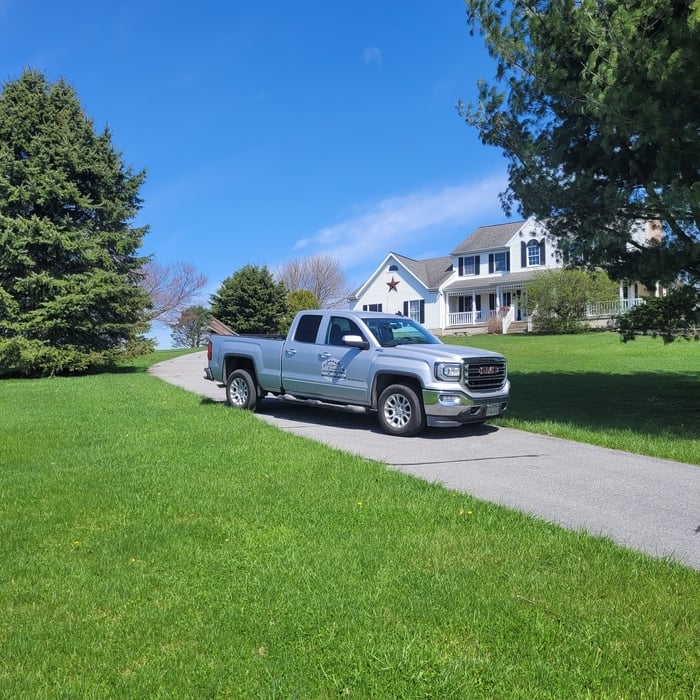
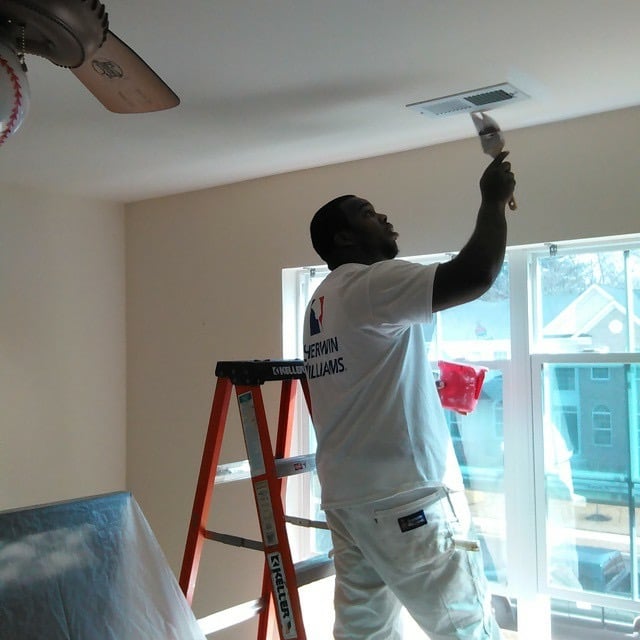
"They did a wonderful job! Very pleased with the final product. The whole process was easy, from scheduling to some minor follow up work. Very well done, going to be looking to have future work completed by Simpson's Painting."
Pressure Washing Project
Painting - Interior Project
Pressure Washing Project
Painting - Interior Project

+36

Recommended by94%of homeowners
...
Showing 1-10 of 87
Pool Table Assembly questions, answered by experts

The best way to kill off an algae bloom in an aboveground pool is to shock it with a large dose of chlorine. Shock typically kills off algae in about one to three days, although it can take longer if the pool water is in poor condition. After the shock treatment, add algaecide to prevent algae from growing back, and test the water every few days with test strips to ensure the pool’s pH doesn’t get out of whack.

At noon, when the sun is at its highest point, sunlight can naturally increase the temperature of a pool by 0.7 degrees each hour, but this can depend on other external factors. For example, evaporation caused by the sun will cause a pool to lose up to 5 degrees for every 1/2 inch of water evaporated. Using a water heater will produce more reliable results.

The only pools that don’t need grounding are those without electrical components, such as small inflatable pools. Any outlet around a pool should be a GFCI to cut the current if the outlet gets too wet. At the very least, the pool’s electrical should be plugged into a GFCI outlet, if not a dedicated GFCI breaker. Check local guidelines and requirements to ensure you’re following all safety regulations. 

Yes, pool pumps use a significant amount of electricity, making them one of the biggest energy consumers in a home. A pool pump can use up to three times as much electricity as a refrigerator. Typically, a residential pool pump consumes about 1 kilowatt-hour (kWh) for every hour it runs. Because pumps often need to run for about eight hours a day to properly filter the water, this can add up to an annual consumption of 3,000 to 5,000 kWh, which can cost between $480 and $800 per year based on average electricity rates.

The amount of electricity your pump uses depends on its size, energy efficiency, and daily run time. To lower your energy consumption, you can choose an energy-efficient or variable-speed pump, ensure it is correctly sized for your pool, and run it only for the minimum time required to keep the water clean.

Once you use a pH decreaser, you can expect the pH to adjust in two to four hours. If you use a strong chemical like muriatic acid, it could take as little as an hour. Either way, it’s best to wait for a full turnover cycle before retesting. You want to make sure the chemical is completely dissolved and evenly distributed or you won’t have a stable pH level.

The Fleetwood, PA homeowners’ guide to pool table assembly services

From average costs to expert advice, get all the answers you need to get your job done.