




Top-rated toilet pros.

Get matched with top toilet pros in Eighty Four, PA

Enter your zip and get matched with up to 5 pros

Need a pro for your toilet service project in Eighty Four, PA?

Select your specific project to find the pro for you.

TRUSTED BY EIGHTY FOUR, PA HOMEOWNERS

  • Average homeowner rating star icon4.6
    Average homeowner rating
  • Verified reviews icon932
    Verified toilet services reviews

Find Toilet pros in Eighty Four

Calfo Home Services
4.3(
234
)
Drain Clog or Blockage - ClearFaucets, Fixtures and Pipes - Repair or Replace

Serving Eighty Four, PA and surrounding areas

Approved (Corporate)

In business since 2008

Emergency services offered

Warranties offered

The problem with most "pros"? Too many bad habits.\nIt's easy to get swept away in the day to day monotony, even for those that call themselves "pros". When it comes to hiring a heating and cooling technician, nobody wants to deal with being treated like a sale rather than a person, the use of scare tactics instead of education, or someone who just wants to get to job done quickly instead of correctly. \nAll our HVAC pros go through 5 years of HVAC schooling, for a total of 10,000 hours of on-the-job training. And it's not just technical training either; it's training that focuses on you, on making you feel comfortable every step of the way. We will roll out the red carpet for you, both figuratively and literally.\nRed Carpet Treatment\nDuring every visit to a home, we lay out an actual red carpet to prevent any additional mess. But what may be even more important than just protecting your home is making sure you feel like you've received the best in customer service.

Recommended by84%of homeowners
...
Showing 1-10 of 129
Toilets questions, answered by experts

Yes, you can have a toilet without a septic tank. However, it will have to be a composting toilet. Composting toilets work similarly to aerobic septic systems in that the waste, which sits in a separate compartment below the toilet itself, is slowly broken down by aerobic bacteria. These toilets typically have a vent to get rid of harmful gasses with a fan, which requires a battery. You will have to dispose of waste in the toilet manually every three weeks to every three months, depending on how many people are using the toilet.

If you decide to replace the toilet flapper yourself, the only cost will be buying the new flapper for around $5 to $17. You can also hire a plumber or handyperson to take on the job instead, in which case you’ll pay an hourly rate for labor plus the cost of parts. Handypersons charge $50 to $150 per hour, while plumbers cost $45 to $200 per hour. This repair might take less than an hour for your pro, but note that many providers have a minimum rate for a house call. 

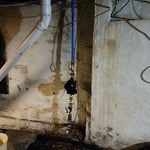
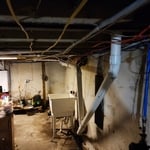
Some older homes have toilets in the basement to combat sewage backups. This type of toilet, also known as a Pittsburgh potty, acted as a safety valve over the incoming sewer line. If a line backed up, it would back up into the toilet because it was the lowest fixture in the home, keeping it out of sight and away from the finished areas of the house.

Basement toilets were also used by workers with messy jobs, like those who worked in coal mines or steel mills. This way, they could clean up and avoid tracking dirt through their home.

The Thanksgiving holiday period is one of the busiest times of the year for plumbers. Both Thanksgiving Day and the day after, often called Black Friday or "Brown Friday" by plumbing professionals, see a significant increase in service requests. This is because a house full of guests, large holiday meals, and unfamiliarity with the home's plumbing can lead to clogged drains, garbage disposal issues, and sewer line backups. Outside of the holidays, the busiest weekdays for plumbers are typically Monday and Tuesday, as many people discover plumbing problems over the weekend but wait to call for service. Despite the holiday, you can rest assured that many plumbers work on Thanksgiving and Black Friday to handle the surge in emergency calls.

Brown stains in your toilet bowl are most likely limescale. Limescale happens from lime being left behind from hard water evaporating. Once dried out, the minerals also catch dirt and bacteria which eventually accumulate into the brown or blackish stain you see in your toilet. To remove thick and hard limescale from your toilet, use a mixture of vinegar, lemon juice, and baking soda, and scrub with a metal scrubbing brush.

The Eighty Four, PA homeowners’ guide to toilet services

From average costs to expert advice, get all the answers you need to get your job done.