



Top-rated radon detection and reduction specialists.

Get matched with top radon detection and reduction specialists in Dickinson, PA

Enter your zip and get matched with up to 5 pros

Need a pro for your radon detection and reduction project in Dickinson, PA?

Select your specific project to find the pro for you.

Find Radon detection and reduction specialists in Dickinson

Avatar for Flood Crew LLC
Flood Crew LLC
4.6(
40
)

Serving Dickinson, PA and surrounding areas

In business since 2008

Free estimates

Emergency services offered

"I had a pipe burst in the basement of our rental property, Flood Crew was referred by our realtor. They arrived quickly after the pipe was fixed by our plumber, demoed, and dried out the areas, even handled packing out our furniture and placing carefully in a pod storage while the work was being done. They did mold testing and made sure everything was safe, the best part was that they dealt with the insurance and we didn’t have to do anything."
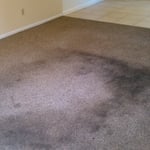
After carpets were cleaned.
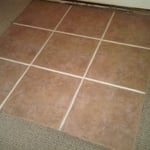
Before and after of Medallion
After color sealed
Apartment carpet cleaning
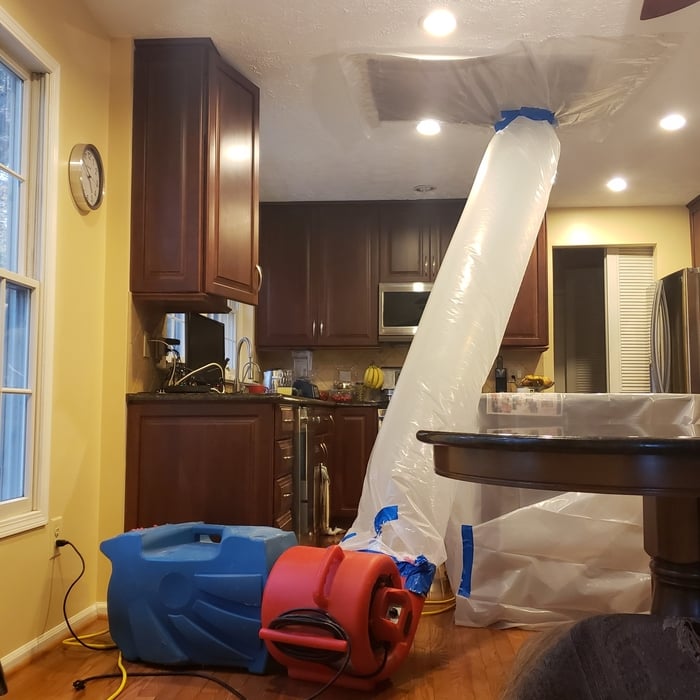
Drying bathroom wood subfloor from kitchen using indirect control heat, controlled by thermostat we set in place

+57

Recommended by88%of homeowners
Radon Detection and Reduction questions, answered by experts

The cost to replace a radon fan ranges from $300 to $600 for the fan itself, with installation adding an additional $200 to $500. Overall, the total cost for replacement can range from $500 to $1,100, depending on factors such as the fan model, home size, and local labor rates. If the fan is part of a larger radon mitigation system, the price may be higher.

The average radon mitigation system uses about 876 kWh of electricity per year, although the exact amount of electricity used will vary depending on the size of the radon fan. Once the system is installed, the annual increase to your energy bill could range from $30 to $300 per year, again depending on the size of the fan.

The natural breakdown of uranium in soil, rock, and water can cause radon to appear in a home. The gas seeps into homes through cracks in foundations, walls, or floors, as well as through gaps around pipes or construction joints. Radon levels are influenced by soil composition, building materials, and ventilation. Poorly sealed or airtight homes can trap radon, allowing it to accumulate.

No level of radon is technically safe, but since it is naturally present everywhere, it is impossible to avoid entirely. The average radon level in homes across the United States is 1.3 picocuries per liter (pCi/L). The Environmental Protection Agency (EPA) recommends taking action to reduce radon levels if your home's test results are between 2 and 4 pCi/L or higher.

A homeowner can install a radon mitigation system on their own. But it’s a challenging DIY that requires a lot of knowledge about radon mitigation as well as familiarity with local regulations. You do not want to risk an improper installation that leaves the system unable to detect radon or gives it a shortened life span. Relying on a professional is the surest way to guarantee a successful installation.

The Dickinson, PA homeowners’ guide to radon detection and reduction services

From average costs to expert advice, get all the answers you need to get your job done.