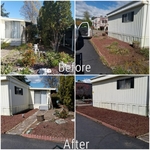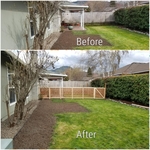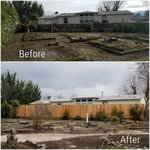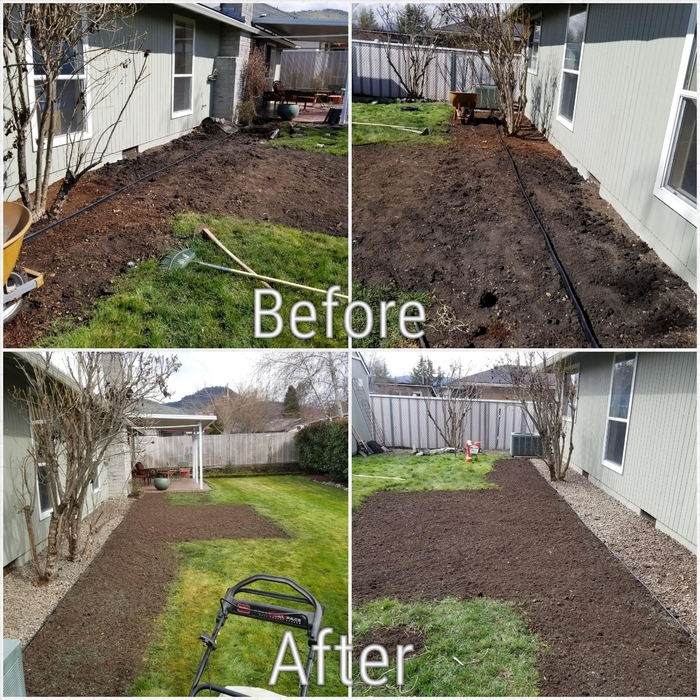







Top-rated weed maintenance pros.

Get matched with top weed maintenance pros in Williams, OR

Enter your zip and get matched with up to 5 pros

Need a pro for your weed maintenance project in Williams, OR?

Select your specific project to find the pro for you.

TRUSTED BY WILLIAMS, OR HOMEOWNERS

  • Average homeowner rating star icon4.6
    Average homeowner rating
  • Verified reviews icon21
    Verified weed maintenance services reviews

Find Weed maintenance pros in Williams

No results for Weed maintenance pro in

Try adjusting your search criteria.
Weed Services questions, answered by experts

Too much clover in your lawn can indicate several issues with your soil. Clover can thrive in soils with abnormally high pH, low-cut grass, and low nitrogen. Amending these issues can push clover out for good.

Hardy perennial clover loves the low nitrogen and compact conditions that often come with poor, infertile soils. But other factors also contribute to a clover explosion, including drought conditions, cool temperatures, under fertilization, and over-irrigation. You’ll need to evaluate all these elements when planning to kill off the clover.

Mowing a lawn will, unfortunately, not get rid of clover, and it may even encourage it to flourish. Let your lawn grow to a healthy height of over 3 inches and then set your mower blades no lower than this level. Higher grass will cut out the light that clover loves and discourage it from spreading.

Glyphosate and other non-selective herbicides can kill orchard grass, but they will also kill the surrounding plants. Also, not all areas allow the use of glyphosate due to its environmental impact—which the EPA describes as a "potential risk to terrestrial and aquatic plants and birds, and low toxicity to honeybees." Consider mechanical removal to target the plants specifically.

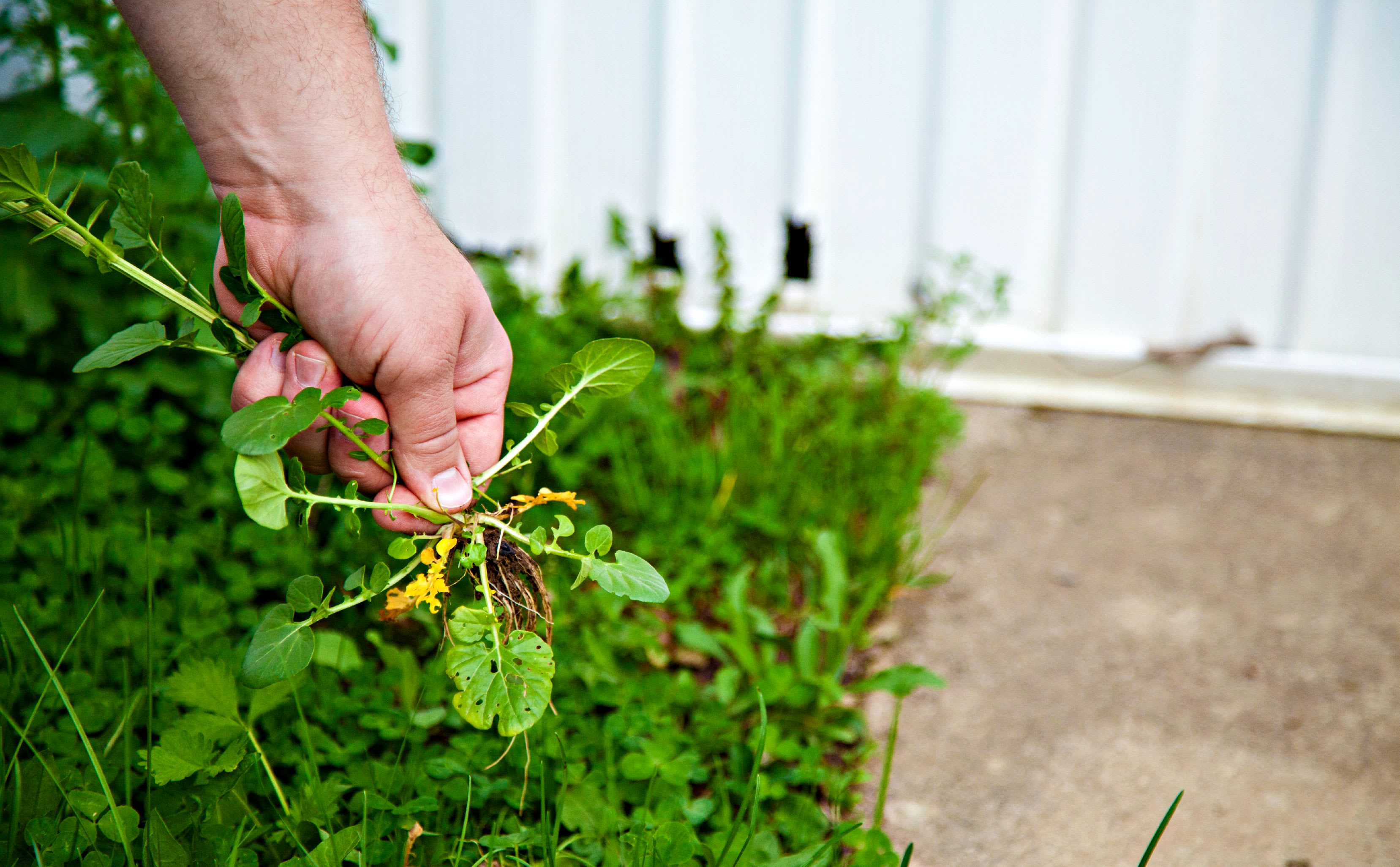
It’s best to pull weeds when the soil is wet, as it’s much easier. Wet soil is much softer than dry soil, making it easier to pull the entire weed up by the root. Also, since the soil is wet, the roots will let go of the soil and slide up with less resistance. Be careful when working on your wet garden, though, as wet soil is easier to compact, which can harm your plants.

Mowing your grass regularly, especially if you’re mowing close to the ground, can help kill Johnsongrass. Frequent mowing helps limit the spread of Johnsongrass and can even deplete carbohydrate reserves in rhizomes over time. The more time you leave in between mowing, the more likely Johnsongrass is to regrow and take over your lawn. 

The Williams, OR homeowners’ guide to weed maintenance services

From average costs to expert advice, get all the answers you need to get your job done.