

Top-rated generator install pros.

Best generator install pros near Waldport, OR

Enter your zip and get matched with up to 5 pros

Need a pro for your generator install project in Waldport, OR?

Select your specific project to find the pro for you.

Top-Rated Generator install pros in Waldport - Updated Nov 2026

Avatar for JBC Group Solutions Inc
JBC Group Solutions Inc
4.0(
4
)
Fixed Generator - InstallFixed Generator - RepairGenerator - Install+4 more

Serving Waldport, OR and surrounding areas

In business since 2007

Emergency services offered

"They did a real good job. They were real professional. We can now open the garage door from the inside of the house and now it is so smooth that we have to check to see if we hit the button to open it or close it.  Before we used to know when it was opening or closing because it used to make a noise. It helps when you move to a city where you are new. "
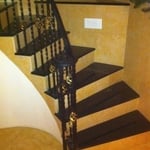
Custom Staircases
Custom Exterior Restoration
Custom Bathrooms
Recommended by75%of homeowners

Avatar for STEPHENS ELECTRIC COMPANY LLC dba ASE
STEPHENS ELECTRIC COMPANY LLC dba ASE
New to Angi
Generator - Install - For BusinessGenerator - Repair - For Business

Serving Waldport, OR and surrounding areas

In business since 2022

Free estimates

Credit card accepted

We at STEPHENS ELECTRIC COMPANY LLC focus on quality services over quantity. We use our experience and expertise to complete your project with perfection. Customer service and honesty are the most important aspects of our business and your satisfaction is guaranteed. Please call us today for an estimate. We look forward to working with you.

Generator Install FAQs, answered by experts

As a safety measure, you should always turn off the main breaker while operating your generator’s backup breaker. In addition, you should also switch off all appliance breakers so you don't have a power surge when the main breaker turns back on. And finally, turning off the main breaker prevents back-feeding, which endangers utility workers with the risk of electrocution. Back-feeding could also destroy the electrical circuits of your neighbors if they use the same power network.

With proper maintenance, a whole-house generator can last between 20 and 40 years. The specific lifespan depends on how often and for how long the generator is used, and some models may have their life expectancy rated in hours of operation. To maximize its lifespan, expect to spend around $150 to $300 per year for annual maintenance checks from a qualified technician. During these checks, a technician will inspect the engine filter, starting mechanism, fuel, lubrication, and coolant levels. Consulting your installer and choosing a low-impact fuel like natural gas or diesel can also help ensure your generator lasts as long as possible.

These advanced generators use a key fob or a smartphone app to remotely start, which is ideal for getting power back on immediately without venturing outside. This feature is more common on whole home generators, but you may be able to find it on large portable generators, too.

Generators are usually sized by running watts and starting watts. Ideally, you’ll want a generator that can offer both the necessary running watts and starting watts for everything you need to power without going beyond 90% of its capacity. Calculate your home’s electrical load based on the breakers in your home or adding up the appliance and lighting needs of connected rooms.

To determine the right size generator for your house, you should calculate the total wattage of the appliances and devices you want to power during an outage. List all essential items, note their start-up wattages, and add them together.

Here are some typical wattage requirements for common appliances:

  • Refrigerator: 600 watts

  • Large dehumidifier: 700 watts

  • Large window air conditioner: 1,400 watts

  • Water heater: 3,000 to 4,500 watts

  • Electric furnace: 5,000 to 25,000 watts

A 7,500-watt generator might be sufficient for essentials like a refrigerator, freezer, well pump, and lighting circuits. However, for high-demand items like a water heater or furnace, a whole-home generator is a better choice. A portable generator may be enough if you only need to power a few critical items.

While home square footage can offer a rough estimate, it is not always a reliable indicator. For reference, here are some typical generator sizes based on square footage:

  • 1,000 sq ft: 6–9 kW

  • 1,500 sq ft: 7–10 kW

  • 2,000 sq ft: 10–14 kW

  • 2,500 sq ft: 12–16 kW

  • 3,000 sq ft: 16–20 kW+

For the most accurate sizing, consult a professional who can calculate your home's peak and average power consumption and recommend the optimal generator.

The Waldport, OR homeowners’ guide to generator installs

From average costs to expert advice, get all the answers you need to get your job done.