




Top-rated above ground pool installation pros.

Get matched with top above ground pool installation pros in Vale, OR

Enter your zip and get matched with up to 5 pros

Need a pro for your above ground pool installation project in Vale, OR?

Select your specific project to find the pro for you.

Find Above ground pool installation pros in Vale

Install Above Ground Pools questions, answered by experts

You can check if your pool is bonded by looking for a copper wire that connects to the motor and pumps and then extends into the ground. However, if you’re unfamiliar with electrical wiring, contacting a pool electrician to inspect the motor and pumps is safest. An electrician can check the system and determine if it is up to code and meets all swimming pool bonding requirements.

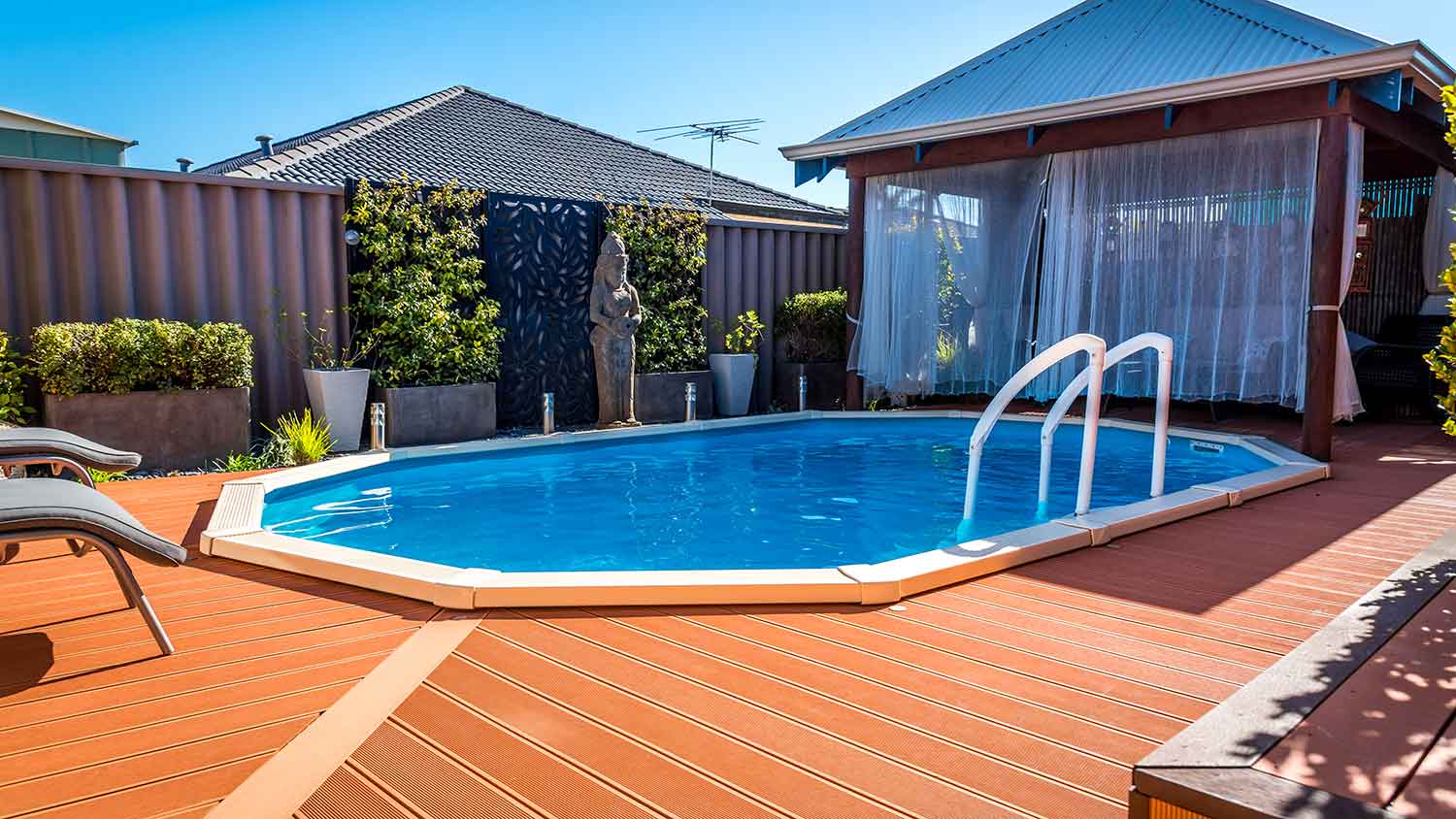
In-ground pools are more durable and have a longer lifespan, but aboveground pools are an excellent option for homeowners on a budget. Aboveground pools are also easier to remove if you no longer want to maintain one.

The cost of an aboveground pool is $800 to $5,000 for materials and $1,000 to $3,000 for labor. Before deciding, weigh the pros and cons of each pool.

Losing some water from splashing and evaporation is normal. However, if you notice a rapid drop in the water level or are adding water more frequently than usual, you might have a leak. Other common signs of a pool leak include:

  • Unexplained soft, mushy, or wet spots in the yard.

  • Cracks in the pool's structure or falling tiles.

  • Higher-than-normal water bills.

  • Persistent algae growth or water discoloration.

  • Standing water near the pump, pipes, or other pool equipment.

While some water loss from splashing and evaporation is normal, a rapid or excessive drop in the water level may indicate a leak. Other signs of a pool leak include unexplained soft or wet spots in the yard, cracks in the pool structure or falling tiles, higher-than-normal water bills, persistent algae growth or water discoloration, and standing water around the pump, pipes, or other pool equipment.

Calcium lumps in a pool are calcium deposits that form when a pool's water parameters are not in the normal range. They can float around on the surface of the pool water, making it look and feel dirty. The most common causes of calcium lumps in pools are calcium hardness above 1,000 ppm, alkalinity over 120, and a pH over 7.8. Keeping your pool’s calcium levels, alkalinity, and pH levels within the normal, safe ranges is the best way to prevent calcium lumps and other problems, including damage to the pool surface.

The Vale, OR homeowners’ guide to above ground pool installation services

From average costs to expert advice, get all the answers you need to get your job done.