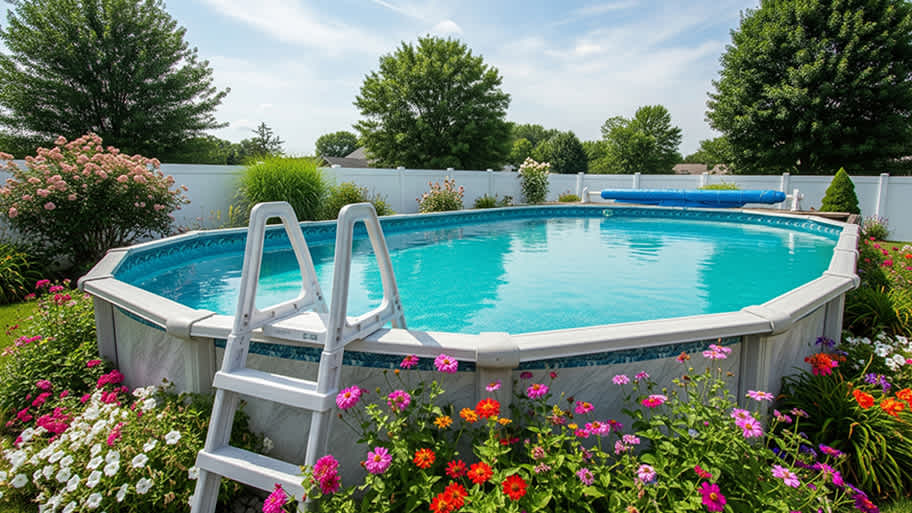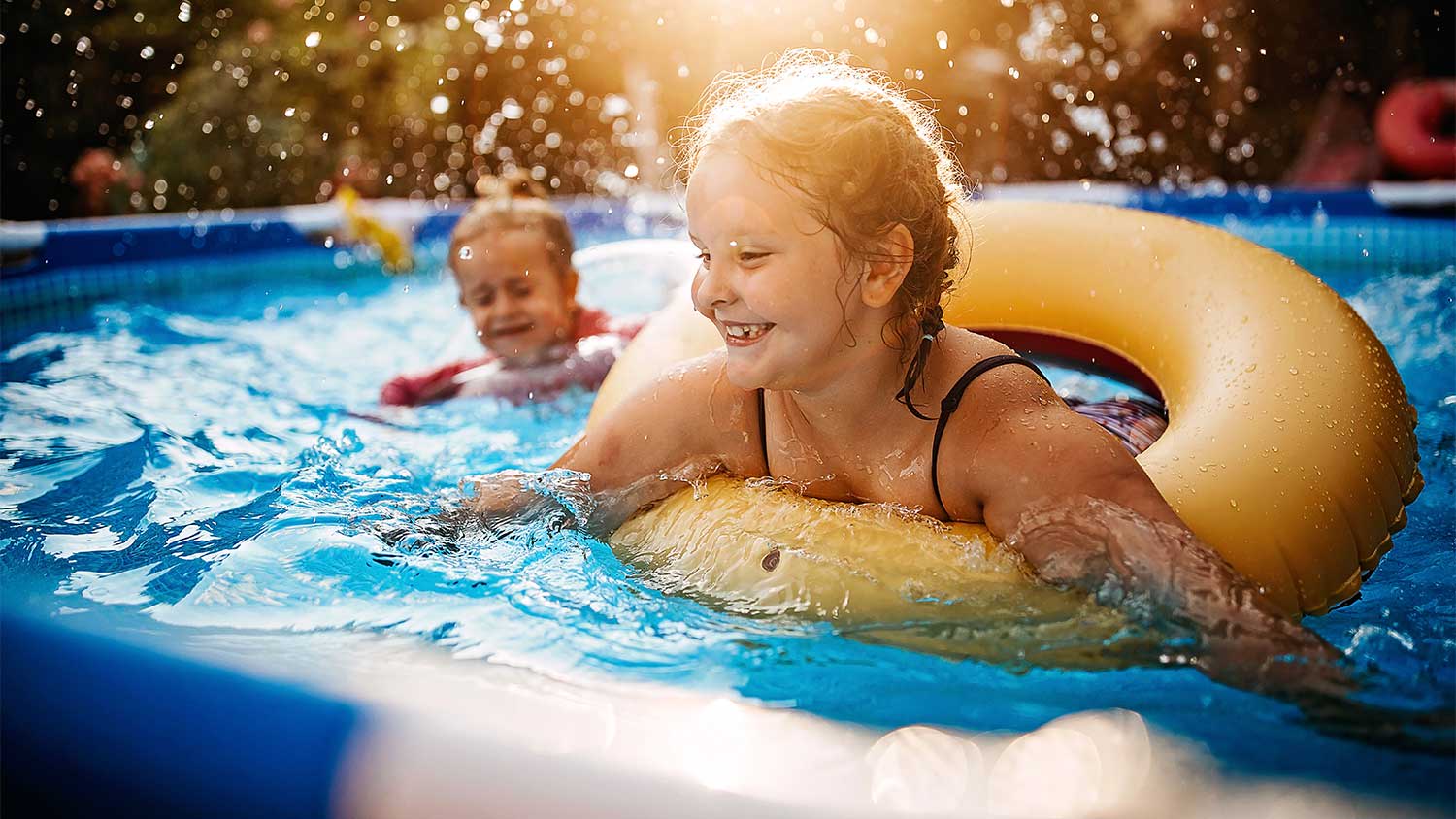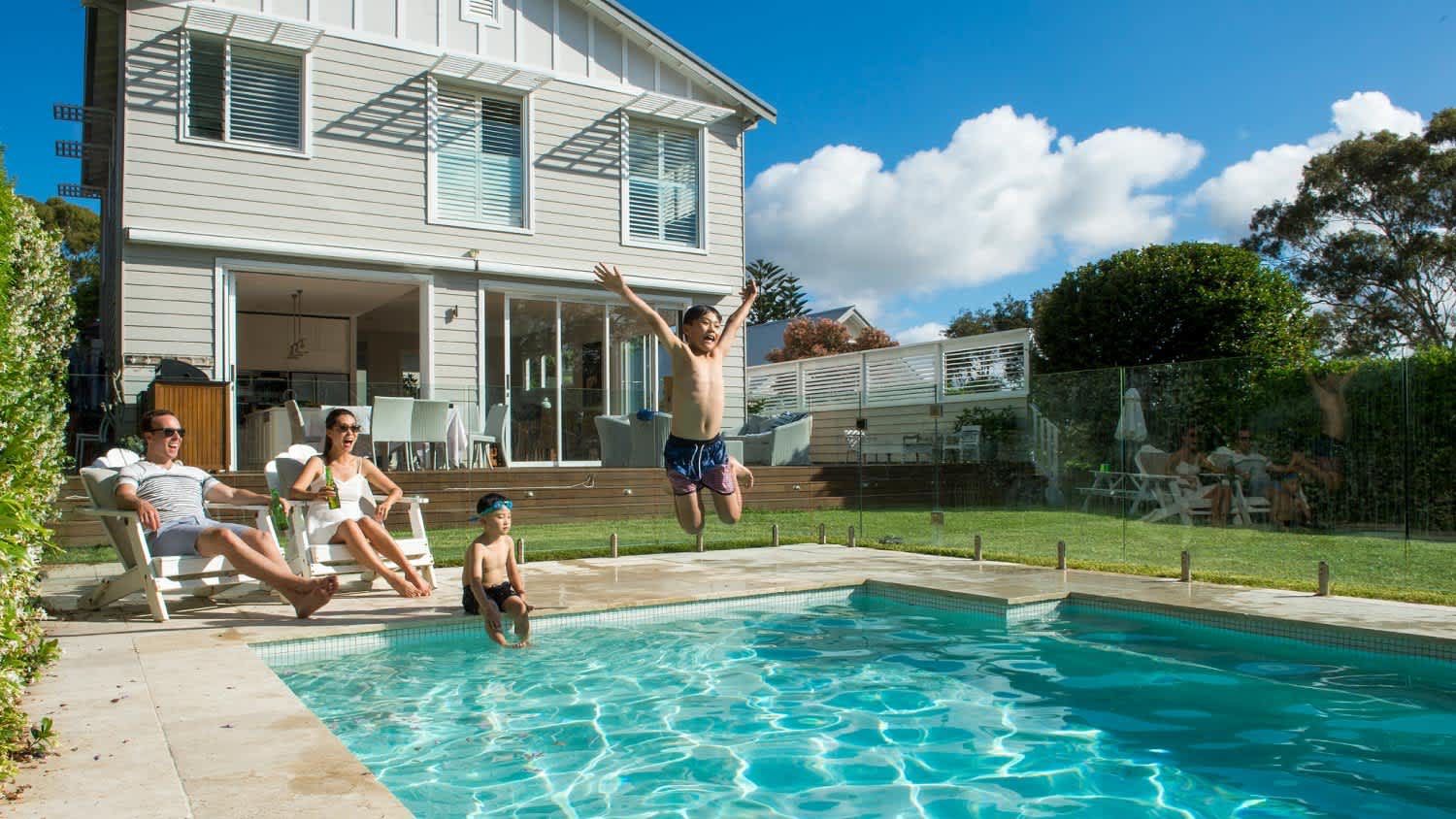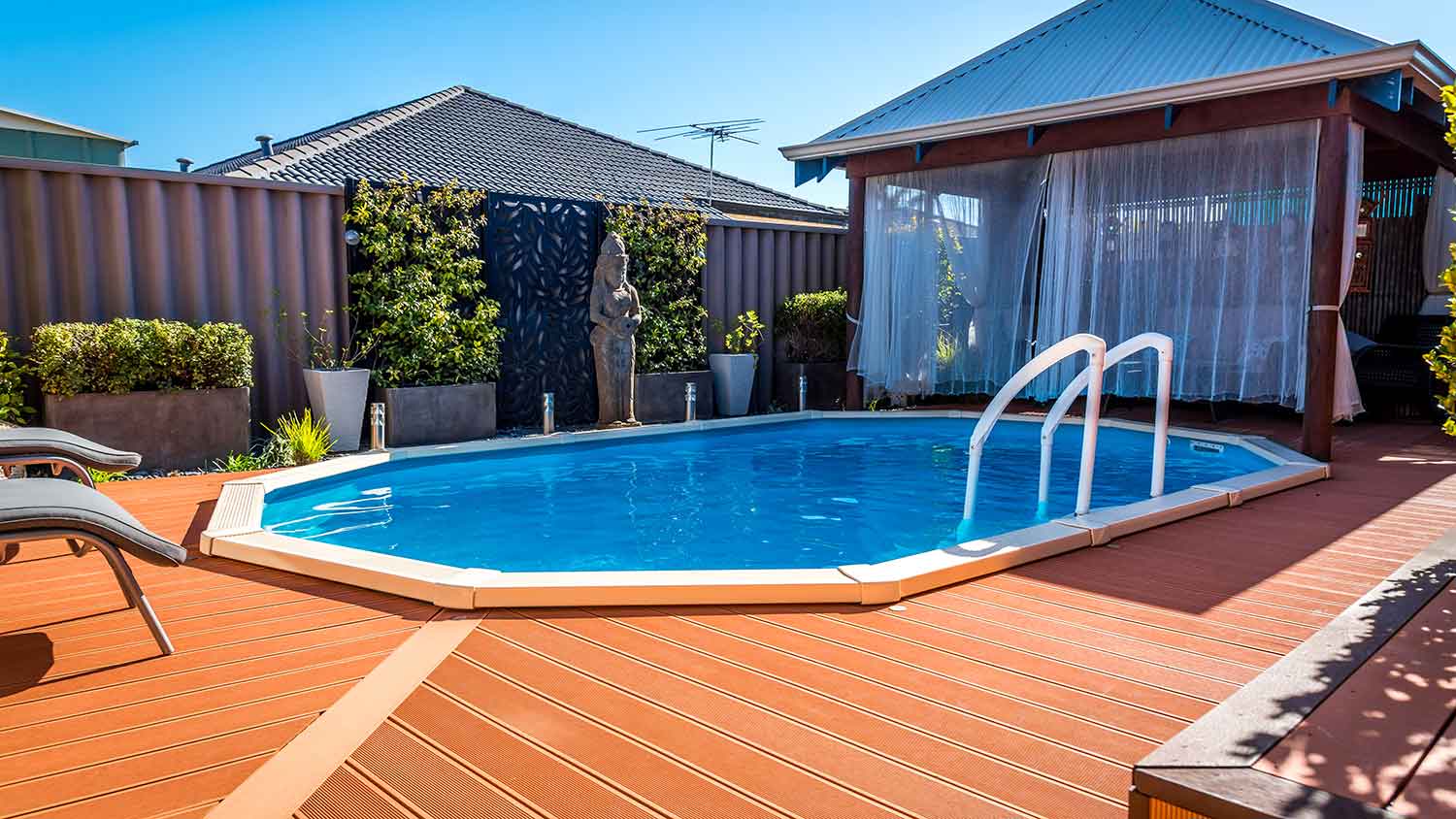





Top-rated above ground pool installation pros.

Best above ground pool installation pros near Malin, OR

Enter your zip and get matched with up to 5 pros

Need a pro for your above ground pool installation project in Malin, OR?

Select your specific project to find the pro for you.

Top-Rated Above ground pool installation pros in Malin - Updated Nov 2026

Avatar for American Home Shield – Home Warranty
American Home Shield – Home Warranty
3.5(
5,689
)
Above Ground Swimming Pool or Accessories - Repair or Service

Serving Malin, OR and surrounding areas

In business since 1971

Credit card accepted

"One oven doesn't work at all ( my choice, see above), the "working" oven was never calibrated properly so using it is hit or miss. It's time to call American Home Shield to see about replacing the entire unit. I'm waiting to finish other home projects before calling them. I don't know if I'll request Greenway again."
Additional Photos
Additional Photos
Additional Photos
Additional Photos
Additional Photos

+2

Recommended by65%of homeowners
Install Above Ground Pools FAQs, answered by experts

If you put too much chlorine in your pool, it can make the pH level more acidic, creating a health risk. You might experience symptoms like nausea, dizziness, vomiting, skin rashes, and irritation in the eyes, nose, throat, and lungs. To lower the chlorine level, you can turn off your chlorinator or chlorine feeder, add more water to dilute the pool, or remove the cover to let sunlight naturally reduce the chlorine.

No, shock and chlorine are not the same thing, though they are related and both are used for pool maintenance. Regular chlorine, often in the form of tablets, is a sanitizer used for routine, day-to-day maintenance to keep a steady chlorine level. Pool shock, however, is a highly concentrated dose of chlorine used periodically for a more intense cleaning. It rapidly raises chlorine levels to fix issues like cloudy water or algae growth and also eliminates chloramines, which are byproducts of regular chlorination. Because their purposes and concentrations differ, they are not interchangeable, and proper pool care typically requires using both.

Unless you have an alternative to chlorine in your pool to prevent bacteria and viruses from taking up residence in your water, it’s not safe to swim in a pool without enough chlorine. According to the Centers for Disease Control and Prevention (CDC), swimming in a pool with insufficient chlorine could lead to skin and eye irritation, ear issues, respiratory distress, such as coughing and congestion, and various other health issues. Always make sure your chlorine levels are healthy and stable before swimming for proper pool safety.

Shock can clear a cloudy pool if the problem is insufficient free chlorine or an accumulation of chloramines from “spent” chlorine. However, it can make the issue worse if a high level of chlorine or a pH imbalance is the root cause of the problem. Test your pool water before treating the cloudiness to ensure you’re making the right call.

Yes, it’s possible to put too much salt in your saltwater pool, and doing so can cause a number of problems, including corroding metal parts and causing the chlorinator to stop working correctly. In general, slightly elevated salt levels won’t cause serious problems beyond salty-tasting water, but you should dilute the water in a pool with extremely high salt levels to prevent damage to its components.

The Malin, OR homeowners’ guide to above ground pool installation services

From average costs to expert advice, get all the answers you need to get your job done.