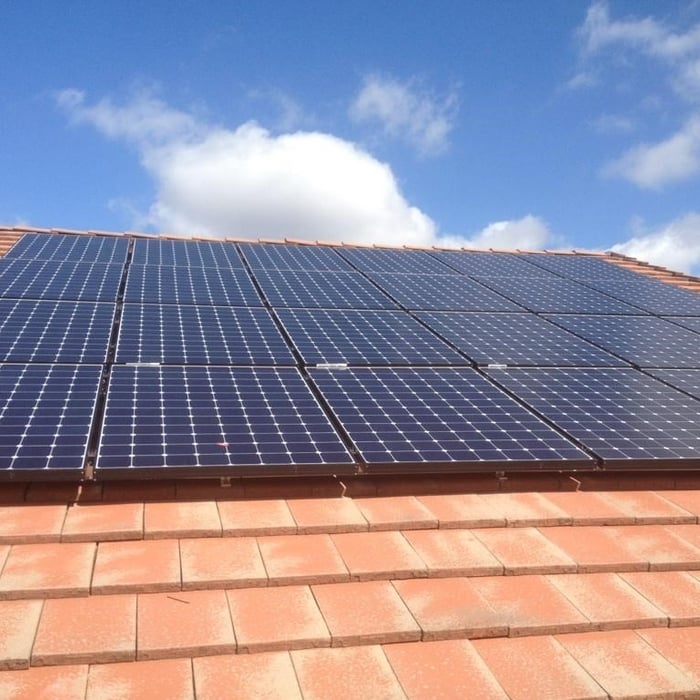
"They installed a solar system on my mother's home. It was a smooth installation, with plenty of communication and very professional attention to detail. I have recommended them to several neighbors. One of my neighbors has had a nightmare experience with their installer. I can't rave enough about how easy my experience was. "
"The tech was very knowledgeable and went above and beyond to satisfy us. Our faucet was broken would not attach to the sink as the copper seal broke to the water lines."
"One oven doesn't work at all ( my choice, see above), the "working" oven was never calibrated properly so using it is hit or miss. It's time to call American Home Shield to see about replacing the entire unit. I'm waiting to finish other home projects before calling them. I don't know if I'll request Greenway again."
Patterson Construction has over 25 years of experience in all things fiberglass pools. We offer competitive prices and stand by our top quality work. If you have any problems with your fiberglass pool give us a call and we will fix it right away.
Install Above Ground Pools questions, answered by experts
While you can use a grounding rod when bonding an in-ground pool, that’s necessarily the best option. A grounding rod is an older grounding method that’s not usually used anymore, thanks to modern electrical design and services. Again, if you don’t have electrical experience, your best and safest bet is to hire a pool electrician.
Yes, pool pumps use a significant amount of electricity, making them one of the biggest energy consumers in a home. A pool pump can use up to three times as much electricity as a refrigerator. Typically, a residential pool pump consumes about 1 kilowatt-hour (kWh) for every hour it runs. Because pumps often need to run for about eight hours a day to properly filter the water, this can add up to an annual consumption of 3,000 to 5,000 kWh, which can cost between $480 and $800 per year based on average electricity rates.
The amount of electricity your pump uses depends on its size, energy efficiency, and daily run time. To lower your energy consumption, you can choose an energy-efficient or variable-speed pump, ensure it is correctly sized for your pool, and run it only for the minimum time required to keep the water clean.
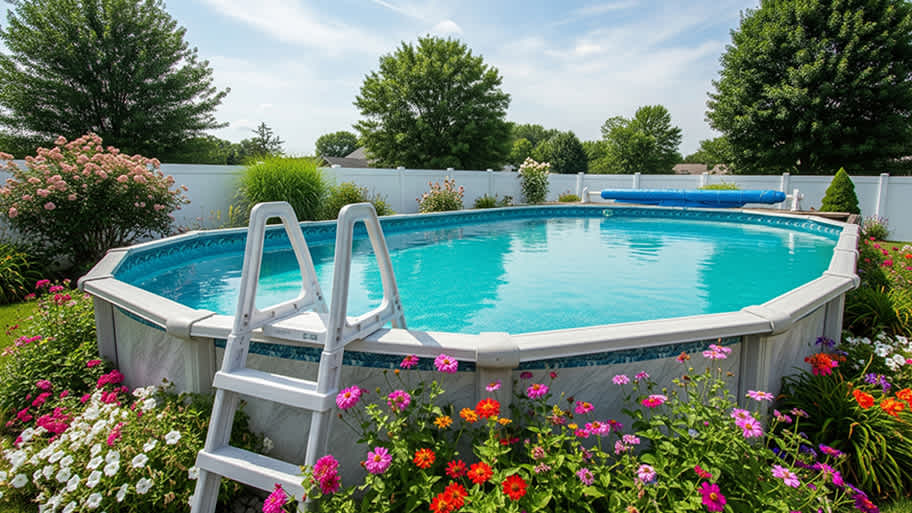
If you’re wondering how to find a leak in an aboveground pool, the process is the same as it is for an in-ground pool. Note that the vinyl liner in aboveground pools is fairly thin, so sharp objects easily puncture it. Additionally, the liner can wear down after constant exposure to pool chemicals, especially when chlorine levels are higher than they should be. For these reasons, small holes in the vinyl liner often cause leaks, but you can easily detect them with the dye test.
Your aboveground pool might technically be able to stand without water, but you shouldn't consider it stable. Aboveground pools need the weight of water to provide adequate stability and prevent the walls from collapsing in. Be sure to fill your pool with water as soon as possible after installation.
The best temperature to paint a pool deck is between 50 and 90 degrees Fahrenheit, because many paints and sealers require temperatures warm enough for the chemical reaction to take place for proper curing. The paint should not be allowed to freeze, and temperatures above 90 degrees can cause the paint to dry too quickly, also preventing the chemical reaction from following through to completion.
The Yreka, CA homeowners’ guide to above ground pool installation services
From average costs to expert advice, get all the answers you need to get your job done.
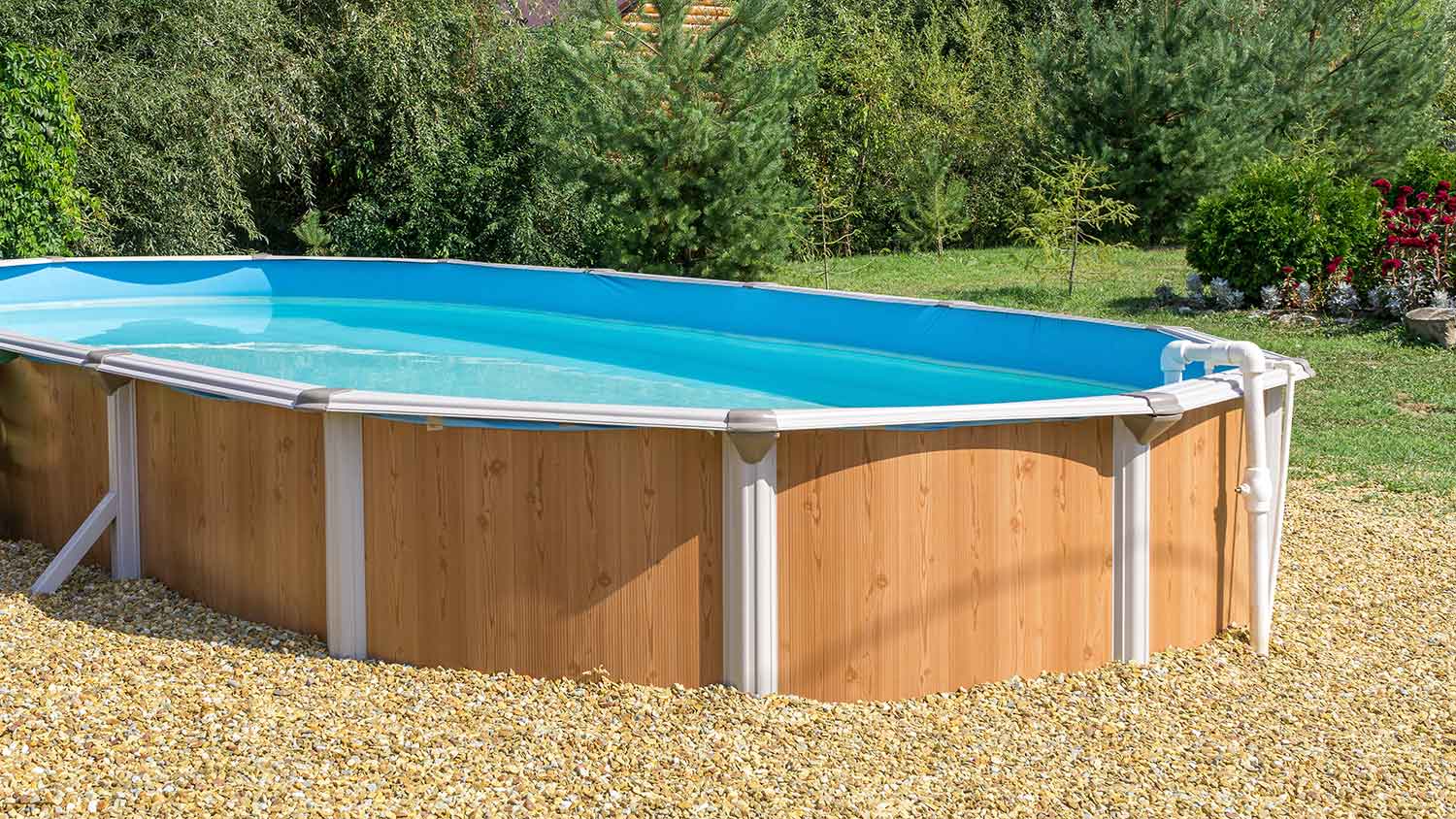
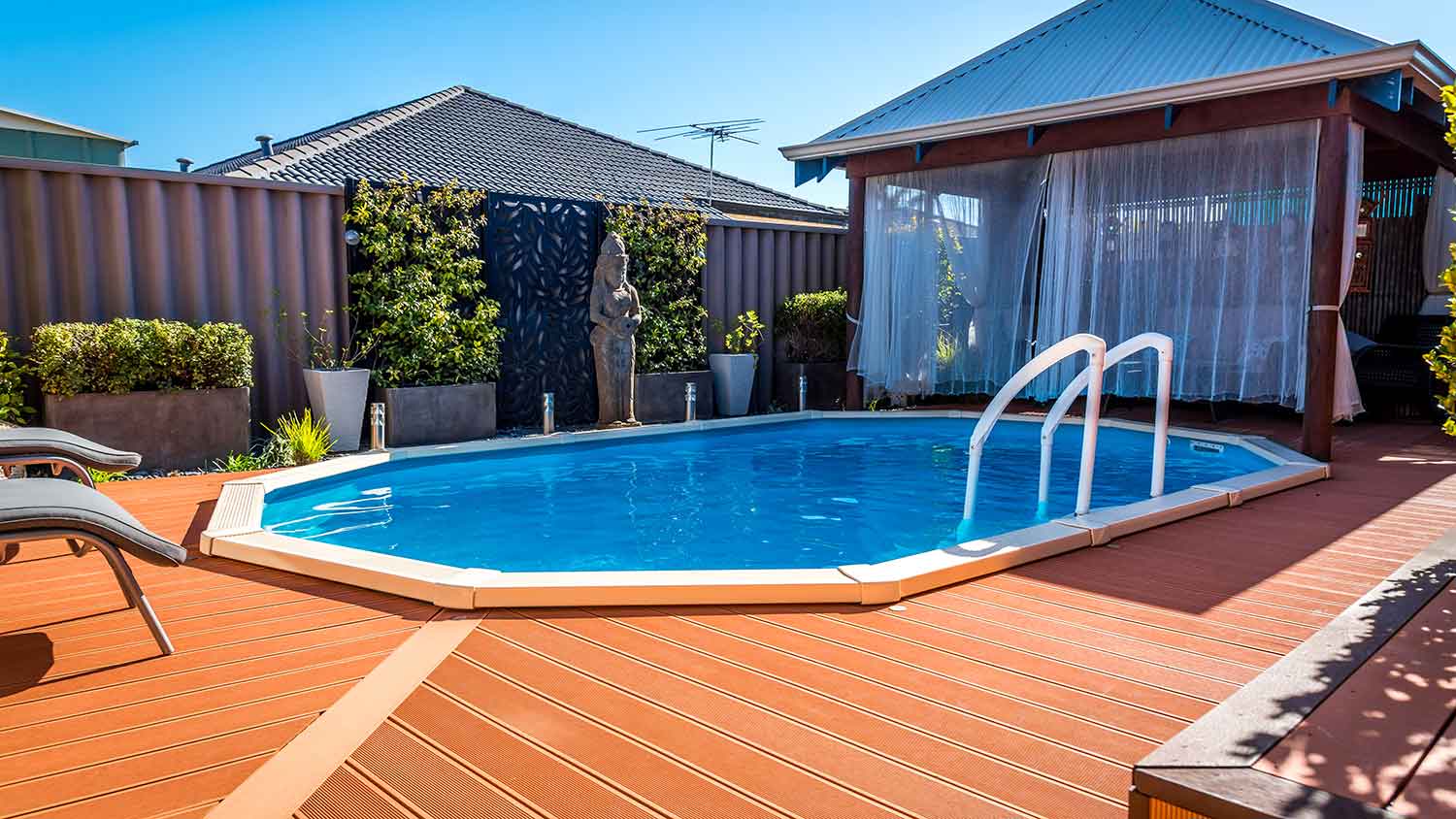
Ready for a backyard oasis? Learn everything about above ground pool installation, including average costs, site prep, and how to hire local pool installers.
Above ground pools are more affordable than inground pools, so can you put an above ground pool in the ground to save money? Learn when it’s safe to do so.