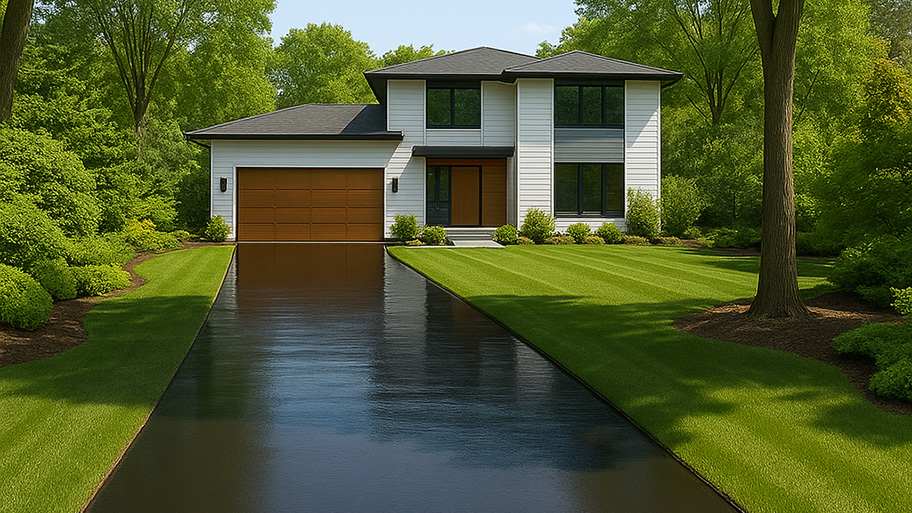





Top-rated asphalt driveway pros.

Best asphalt driveway pros near Klamath Falls, OR

Enter your zip and get matched with up to 5 pros

Need a pro for your asphalt driveway service project in Klamath Falls, OR?

Select your specific project to find the pro for you.

Top-Rated Asphalt driveway pros in Klamath Falls - Updated Nov 2026

Avatar for Pacific Builders Tim Hogue
Pacific Builders Tim Hogue
3.7(
35
)
Concrete Driveways - Install

Serving Klamath Falls, OR and surrounding areas

Approved

In business since 1992

Free estimates

Emergency services offered

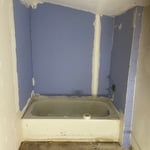
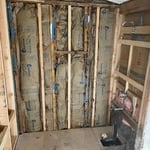
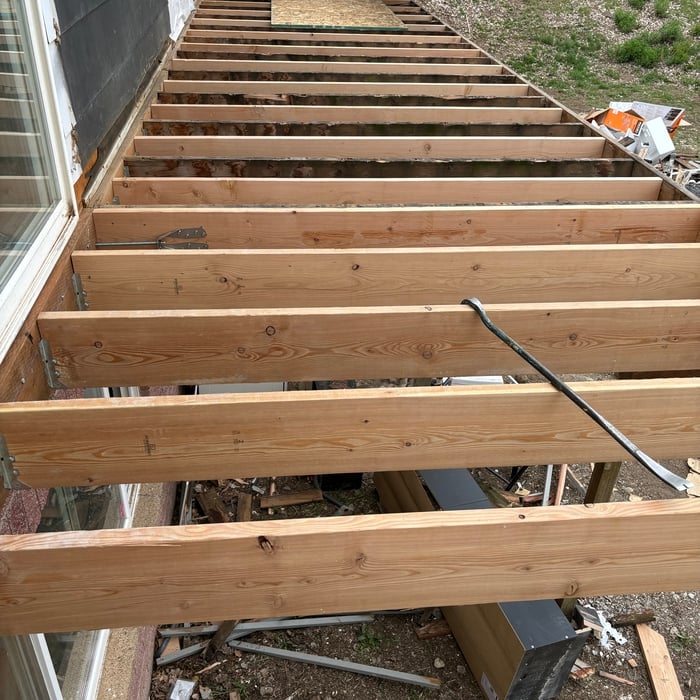
"They built a beautiful 4 seasons room for us which included demo of existing deck and metal cover. They took care of everything from foundation with drainage, roof, walls, windows, doors, siding and all. Excellent suggestions, worked well through things and gave us a beautiful elegant new room at a reasonable price."
Coustom base board
Dewitt's project
Dewitt's project
Dewitt's project
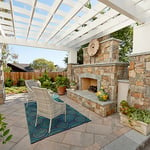
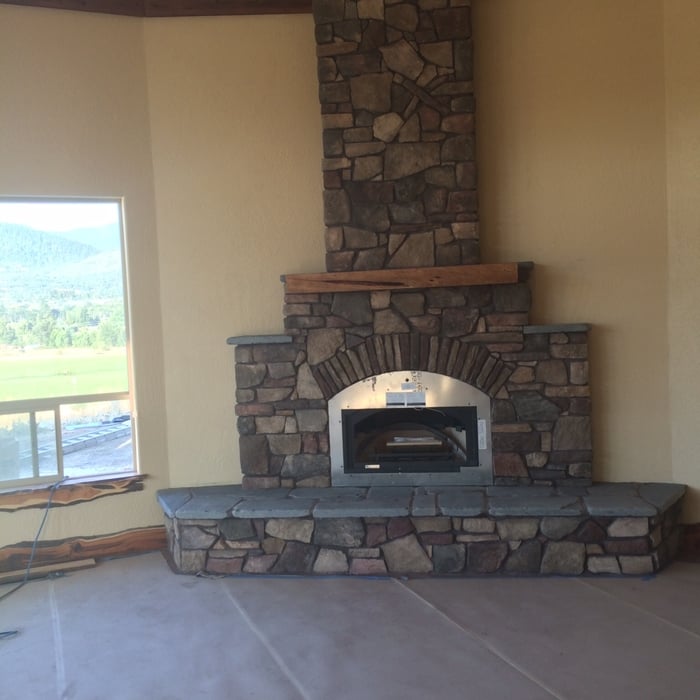
stone fire place

+42

Response time7 hrs
Response rate85%
3 neighbors recently requested a quote

Showing 1-10 of 28
Asphalt Driveways FAQs, answered by experts

New asphalt goes through two stages: drying and curing. Drying typically takes 24 to 72 hours, after which the surface is solid enough for light use like walking or careful driving. While you may be able to park on it after 72 hours, the surface is still soft and should be treated gently. Full curing is a much longer process, taking anywhere from 30 days to a full year for the asphalt to reach maximum strength. During this extended curing period, the asphalt is susceptible to damage from heavy vehicles, sharp objects, and high temperatures. Factors like weather, the specific asphalt mix, and application thickness all influence drying and curing times. For the most accurate timeline and to ensure the longevity of your new asphalt, it is always best to consult with your installation contractor for their specific recommendations.
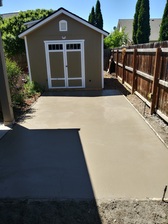
If you’re looking for a similar, eco-friendly driveway material, you might consider one of these options:

  • Permeable pavement: This material is sometimes called “pervious” or “porous” pavement; it allows stormwater to drain into the subbase, eliminating storm drain costs. 

  • Gravel: Consider paving your driveway with locally sourced gravel. By sourcing from a nearby source, your money won’t fund international shipping and will be invested back into your local community.

  • Natural stone pavers: Because natural stone pavers are made from organically-produced stone, there’s no new manufacturing required, limiting the environmental impact. In addition, water easily flows and drains through the gaps in the pavers.

Chip seal layers gravel and a liquid bitumen one at a time on-site, while asphalt directly pours a pre-combined mixture. Asphalt must be sealed, but it will last up to four times as long as chip seal driveways. Aesthetically, chip seal has a natural, rustic look compared to the traditional asphalt slab.

Concrete is typically the best material for a driveway if you’re looking for longevity, cost-effectiveness, and ease of maintenance. But, it’s not ideal for areas with annual freeze-frost cycles, nor is it the most attractive option—although you can get it stamped or painted. If your location is consistently below freezing, asphalt may be a better choice.

Several materials are suitable for steep driveways. Gravel and crushed stone are affordable options that provide good traction. Permeable pavers—such as plastic, rubber, or concrete—filled with gravel or crushed stones are also excellent, as they allow water to drain without causing erosion and perform well in ice and snow. Another option is resin, which can be coated with an anti-slip finish and helps prevent puddles. For added stability, you can install a retaining wall to prevent pavers and gravel from shifting over time.

The Klamath Falls, OR homeowners’ guide to asphalt driveway services

From average costs to expert advice, get all the answers you need to get your job done.