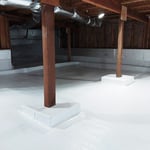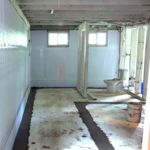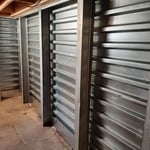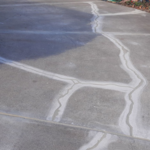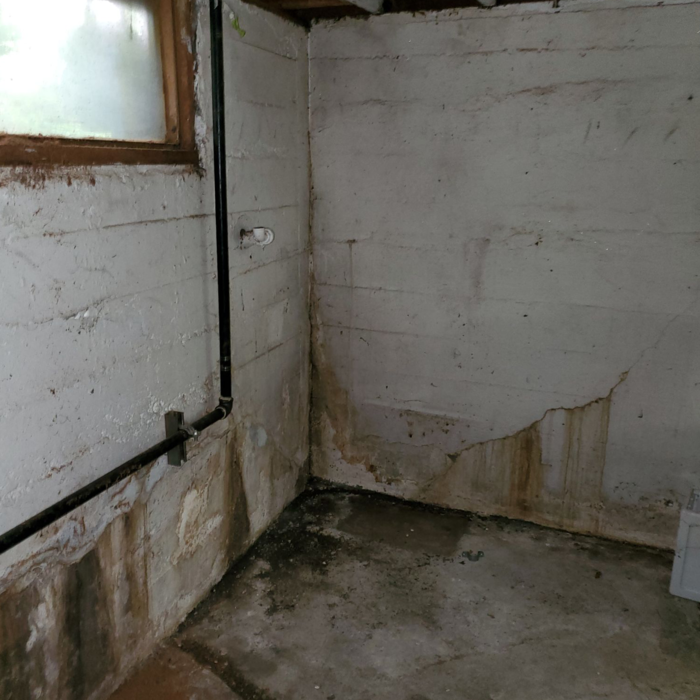





"I have had two issues since they installed the new sump pump and irrigation. Issue number one was water still getting passed the new concrete. The other issue is that the new concrete was not level at all which has caused issues with the new flooring I installed. However, their customer service is top notch and will work hard to take care of you."
"Got an estimate very quickly, great response time, But then the communication was inconsistent and there was confusion about if/when to start. When I called to make sure they were coming, they did not knowfor sure whether they were to do the job, anyway, they came out when originally scheduled and the work accomplished was good (not necessarily excellent but very good). Their cleanup was virtually non existent, No drop cloth or anything else was used on the floor, they did paper over exposed beams and masked windows and doors. It took us 4 hours to clean up the floor however (unfinished concrete) and although it was unfinished, the floor still required being clean prior to finishing. Other thoughts: while they were here, I asked for estimates from the owner on other aspects of this project and the owner told me they did that type of work (concrete floor) but after asking twice, the owner never gave me an estimate. In essence while the work they did was acceptable-nearly excellent-with the communication issues and lack of cleanup I am not 100% sure whether I would hire again or not. The one additional thing in their favor is the lack of decent contractors in Salem.
Concrete Mudjacking questions, answered by experts
Yes, expanding foam (also known as polyurethane foam) can lift concrete. This approach, called polyjacking, involves injecting the foam rather than concrete slurry to fill voids and raise the concrete slab back into place. It’s often faster and requires smaller drill holes than traditional mudjacking, though it may come at a higher cost. Some contractors also prefer polyjacking over mudjacking for more damaged and delicate slabs.
Most projects take 1-3 hours, with immediate usability after completion.
Polyjacking and mudjacking can both be effective solutions for sinking concrete, but they have key differences. Polyjacking, which uses expanding polyurethane foam, is often considered a better option because the foam is significantly lighter than the cementitious material used for mudjacking. This reduced weight puts less pressure on the underlying soil and lowers the risk of future sinking. Polyjacking is suitable for any sinking concrete slab, while mudjacking is typically only recommended for non-structural concrete, such as sidewalks, patios, pool decks, and driveways. The primary drawback of polyjacking is its cost, which can be up to four times higher than mudjacking—as much as $25 per square foot compared to a maximum of about $6 per square foot for mudjacking.
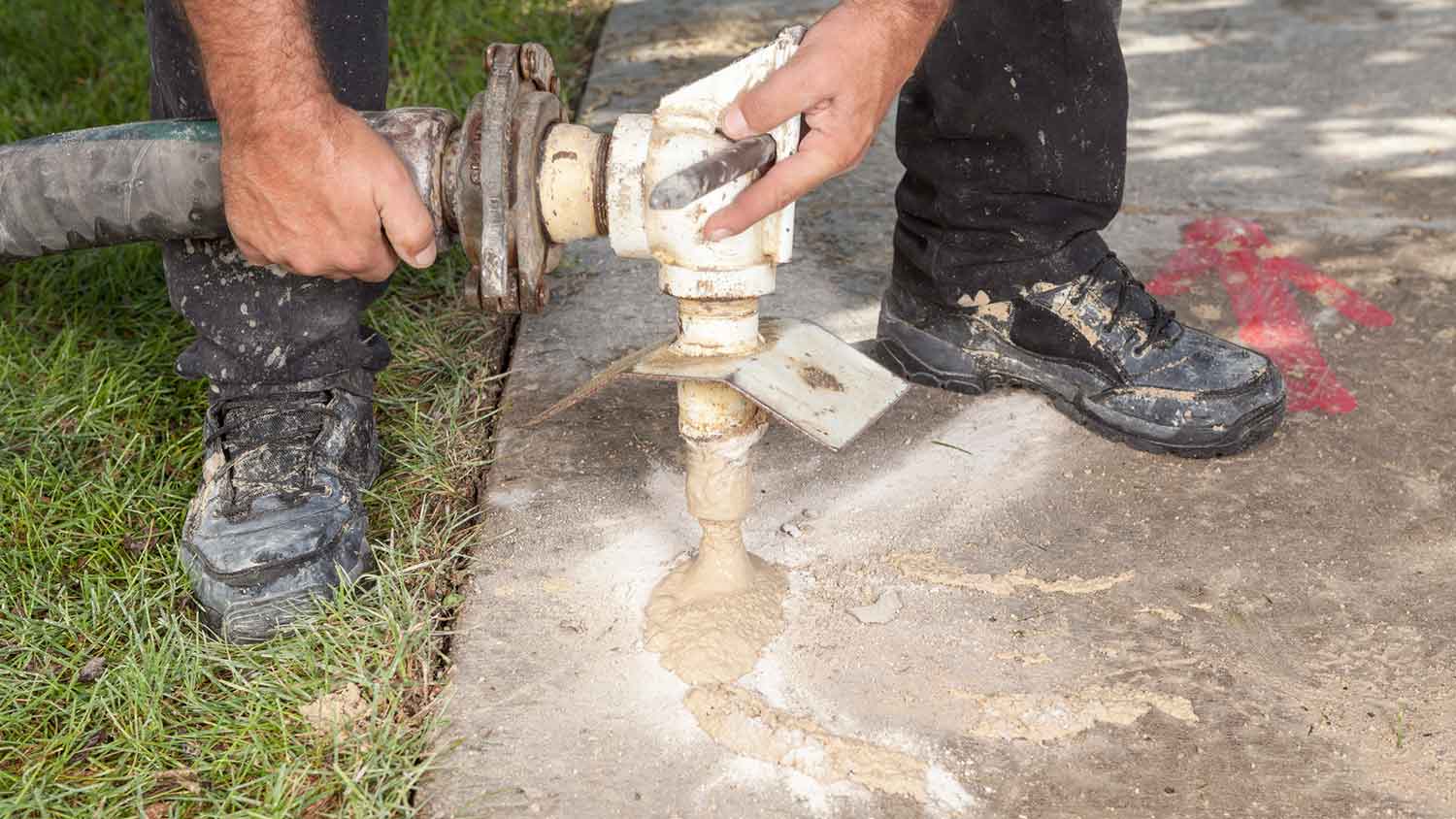
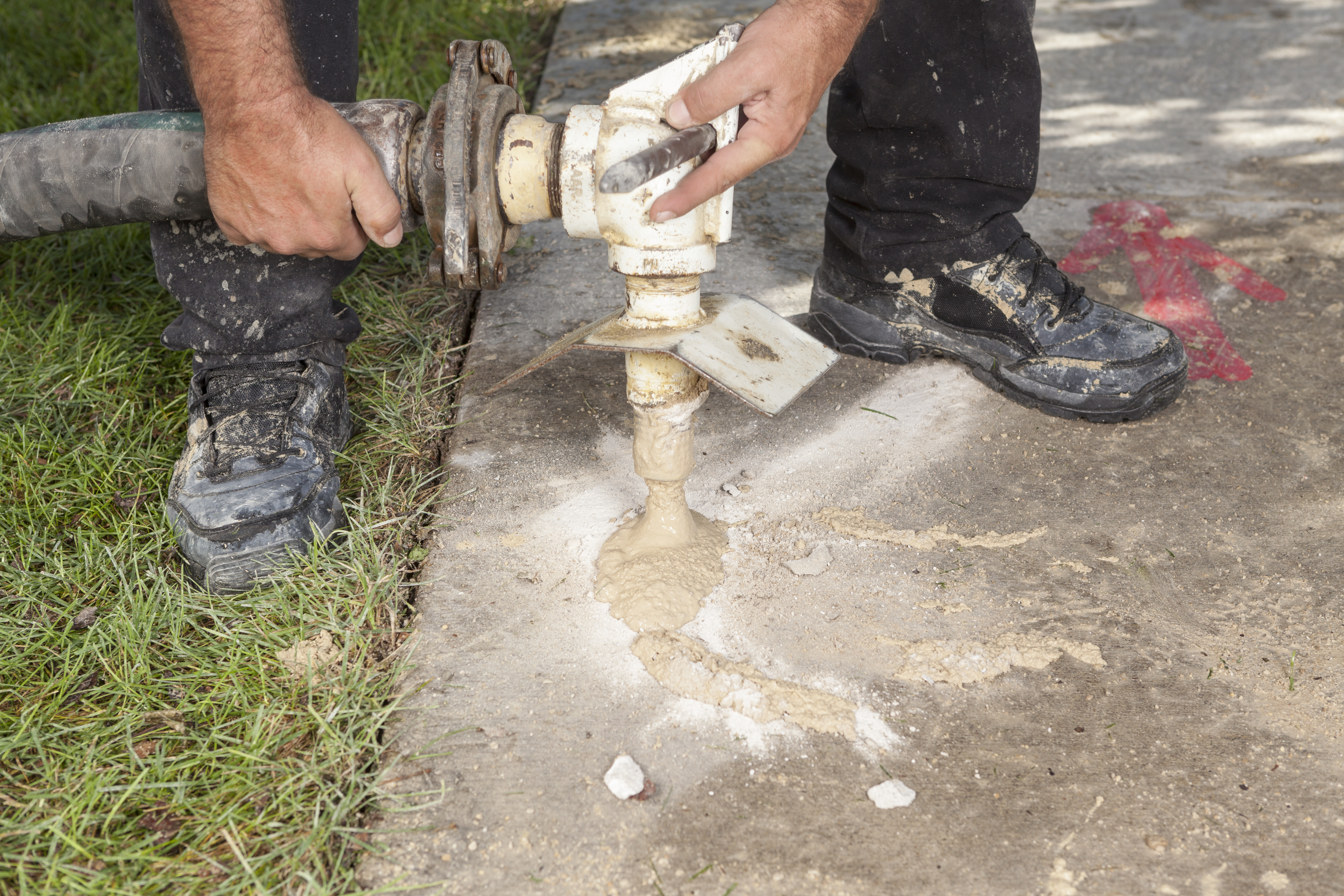
Mudjacking is usually reserved for light-duty slabs, like patios, driveways, and sidewalks. However, it can be an effective way to lift garage slabs and concrete around the perimeter of the home, which could harm your foundation if it’s not done properly. The risk of damage is why having a professional mudjacking company carry out the work is important. This type of slab or foundation repair is relatively inexpensive, especially if you consider that a DIY job requires that you pay to rent the necessary equipment.
Address drainage issues, avoid heavy loads, and seal cracks to prevent future settling.
The Gold Beach, OR homeowners’ guide to concrete mudjacking services
From average costs to expert advice, get all the answers you need to get your job done.
DIY mudjacking is an advanced task, but learning how to raise a concrete slab is great to know for many scenarios. Let's take a look at how to DIY mudjack.