


Top-rated lead testing and removal specialists.

Get matched with top lead testing and removal specialists in Drain, OR

Enter your zip and get matched with up to 5 pros

Need a pro for your lead testing and removal project in Drain, OR?

Select your specific project to find the pro for you.

Find Lead testing and removal specialists in Drain

Environmental Testing & Training NorthWest
4.0(
1
)
Toxic Lead - Testing

Serving Drain, OR and surrounding areas

In business since 2011

Free estimates

Credit card accepted

"The company rep collected site samples quickly ... in and out in about 20 minutes. And, the company turned the report around in two days. The service was a pricy, mostly due to the fixed call-out fee. The cost per sample was higher than one other instance that I know of but not unreasonable."
Response time12 hrs
Recommended by100%of homeowners
Avatar for JBC Group Solutions Inc
JBC Group Solutions Inc
4.0(
4
)
Toxic Lead - AbatementToxic Lead - Testing

Serving Drain, OR and surrounding areas

In business since 2007

Emergency services offered

"They did a real good job. They were real professional. We can now open the garage door from the inside of the house and now it is so smooth that we have to check to see if we hit the button to open it or close it.  Before we used to know when it was opening or closing because it used to make a noise. It helps when you move to a city where you are new. "
Custom Staircases
Custom Exterior Restoration
Custom Bathrooms
Recommended by75%of homeowners
Pacific Rim Construction Services, Inc.
0.0(
2
)
Toxic Lead - AbatementToxic Lead - Testing

Serving Drain, OR and surrounding areas

In business since 1996

Our expertise ranges from small remodeling abatement projects to preparation for complete demolition. Our abatement activities are performed above the standards of E.P.A. / D.E.Q Regulations.\n\nEach and every project, no matter how small is documented to assist the owner / property manager with the critical information often valuable in later sales, appraisal and or renovations.\n\nPacific Rim Construction takes great pride in the fact of meeting stringent site specific needs of our clients and keeping the project needs **Cost Effective**. We understand that in many applications, abatement Work Needs to be Performed **Discreetly**and **Work Windows of Opportunity can be Tight**. With all of these challenges, Pacific Rim Construction Services Inc. Sets into motion a *Site* Specific Plan** Tailored to your Needs.\n\n

Lead Testing and Removal questions, answered by experts

You can sell a house with lead paint, but there are several requirements. If you are aware that lead paint exists anywhere in the home, you must disclose that to potential buyers. Required home inspections will often uncover lead paint, especially for older houses where lead paint may still be a problem. If you have taken steps to encapsulate lead, you should provide buyers with full documentation of the project so it won’t cause any problems later on.

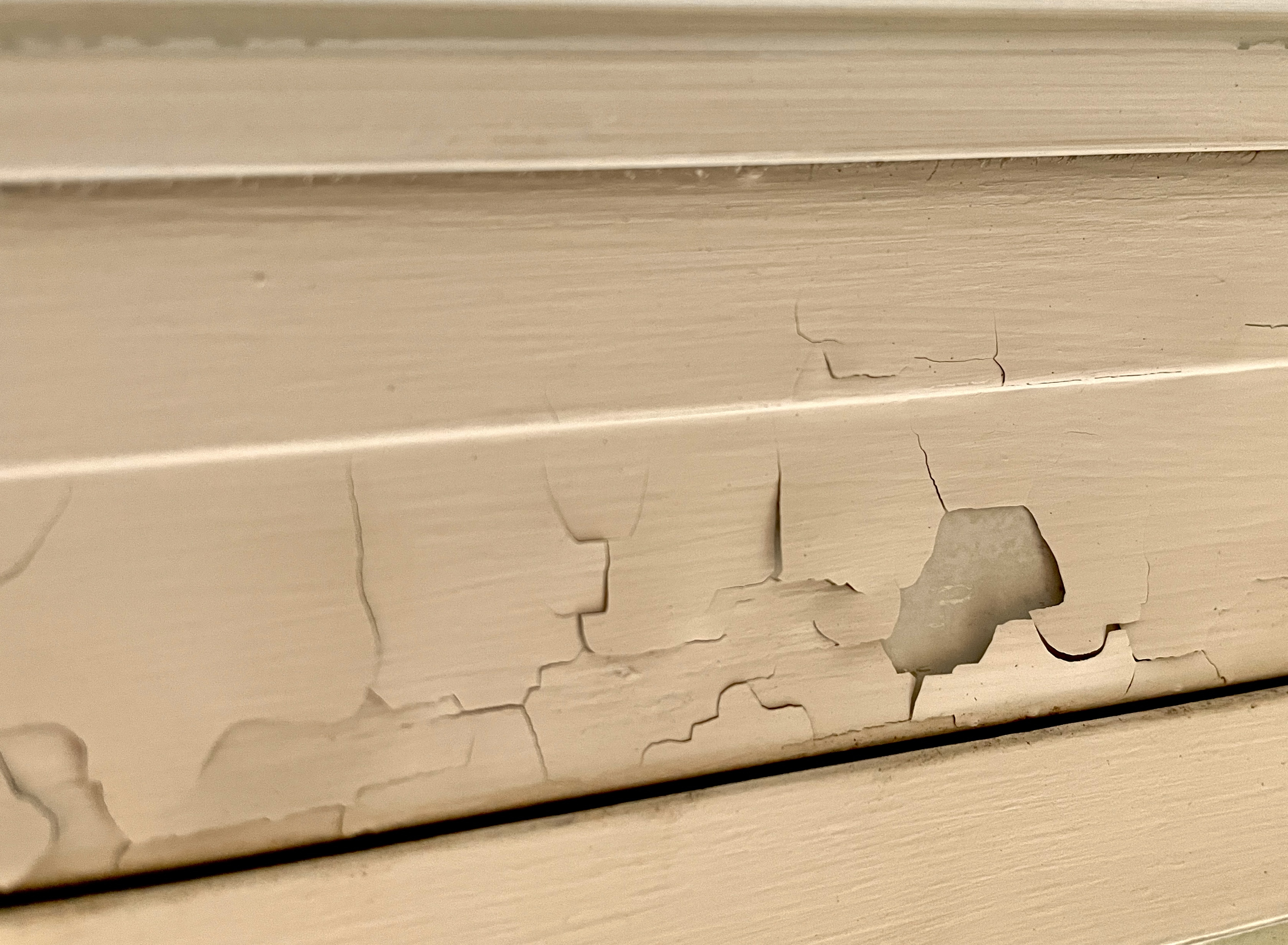
If your house was built before 1978 and you’re noticing cracking or peeling paint, a lead paint inspection is a good idea. A lead paint inspection gives you accurate information about the presence, location, and condition of lead-based paint in your home. This information is essential for making informed decisions about lead paint removal to ensure your safety and health and that of your family. If your inspector finds lead, you’ll need to take steps to manage or remove the lead-based paint and comply with laws and regulations.

According to the Environmental Protection Agency (EPA), hazardous waste is generally classified into four main categories:

1. Characteristic Wastes: These exhibit at least one of four hazardous traits: ignitability (flammable, like gasoline), corrosivity (can rust or decompose materials, like car batteries), reactivity (unstable and can explode, like aerosol cans), or toxicity (harmful when ingested, like lead-based paint).

2. Listed Wastes: These are specific wastes from manufacturing and industrial processes that the EPA has officially designated as hazardous. They include byproducts from processes that use solvents, pesticides, and other chemicals.

3. Universal Wastes: These are commonly generated hazardous items that are subject to streamlined regulations. Examples include batteries, pesticides, mercury-containing equipment (e.g., bulbs), and some lamps.

4. Mixed Wastes: This category includes waste that contains both hazardous and radioactive components, making it subject to regulation by both the EPA and the Nuclear Regulatory Commission.

According to the EPA, there is no safe level of lead in the blood, and so the maximum contaminant level goal (MCLG) for lead in water is zero. Even at low levels, lead is harmful to human health. It can also remain in the body and build up over time with repeated exposure.

Structural problems with the foundation or roof, water damage, and significant plumbing or electrical issues are all considered major red flags in a home inspection. Of these, a structural problem related to the foundation is often the most severe. Foundation repairs are typically the most expensive and intrusive to carry out, averaging around $5,000 but sometimes reaching up to $16,000. Because these problems can pose safety risks and be costly to fix, you should ask your inspector detailed questions about any identified issues. You will need to carefully consider how major problems affect what you’re willing to pay for the home, or if you want to proceed with the sale at all.

The Drain, OR homeowners’ guide to lead testing and removal services

From average costs to expert advice, get all the answers you need to get your job done.