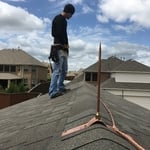
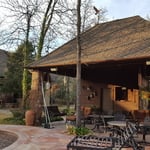
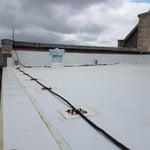
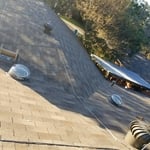
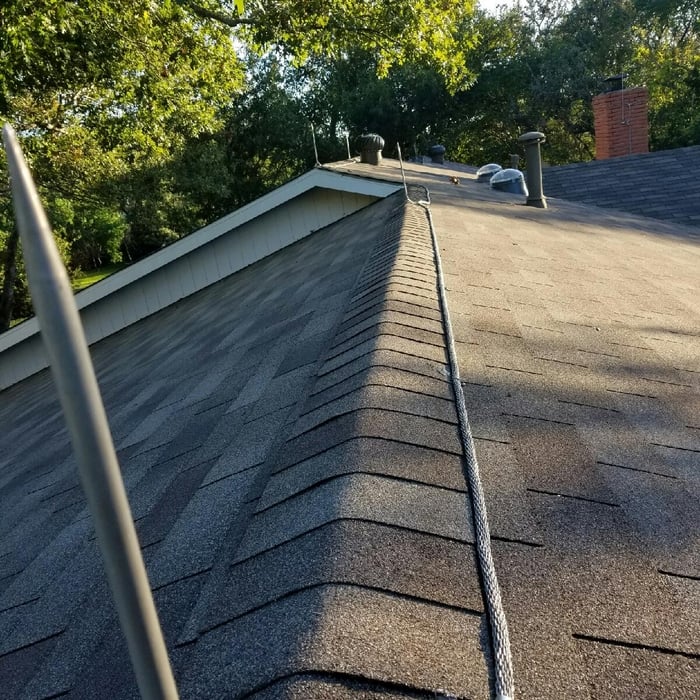
"John Corrigan and his sons are outstanding! They did outstanding work installing our lighting rods at a reasonable price. They were prompt, very professional and honest. I would call them again and recommend them to anyone."
"The problem turned out to be a burned out small electric door switch. I believe the price was way too expensive for the service performed and the price of the door switch. What more can I say? It got done."
Western Star Lightning Protection is a leading lightning protection and lightning rod installation company that services all western states. As members of NFPA, we only use UL-listed materials. We have the experience and expertise to install lightning protection systems that meets the highest safety standards. Contact us for quotation and you will find that prices are truly affordable. We take great pride in our experience, expertise, quality, and customer service that we provide to meet the consumer's needs. It is our mission to provide excellent workmanship and complete customer satisfaction from start to completion of a project. In order to understand the needs and expectations of our customers, we take great care to work and communicate with every customer in a professional manner. Our reputation is based on service, safety, and quality, regardless of how large or small the job.
"Let the professional do the job. Money is resasonable and worthy. We pay for their "Know how", ten minutes, up and running which has been DOWN for monthes no clue."
Hi, my name is Blake Smith. I’ve been doing electrical work for the last 5 years doing service or new construction so I’m very well versed in all aspects of my field
"Hi, I’m Yesenia Govea, owner of Goveas Handyman Services. From quick home repairs to carpentry, flooring, electrical, and full remodeling projects, we handle it all with precision and care. Let us take care of your to-do list—call today for professional, reliable service you can trust!"
Most 200-amp panels have 40 to 42 slots, which can accommodate 40-42 single-pole breakers or 20 double-pole breakers. Some panels can accept even more circuits through the use of tandem breakers. The exact number of breakers allowed is determined by the panel manufacturer's rating, which you can find on the panel itself. It is important to avoid using all breakers at the same time; as a general rule, you should not use more than 160 amps of power at once to prevent overloading your 200-amp system. For specific guidance, it's best to check your panel's rating or consult with a qualified electrician.
If wiring in a relatively modern home is damaged due to sudden events like a fire, a tree falling into the house, or a flood, then homeowners insurance is very likely to cover the cost of replacing the wire.
However, if it’s determined that wiring failed or started the fire because of age, neglect, or not meeting current electrical standards, then insurance won’t be covering any replacement. Also, insurance policies may charge more for particularly old kinds of wiring like aluminum wiring or deny applications altogether.
Yes, the National Electrical Code reviews household codes every three years. However, that doesn’t always mean that kitchen counter outlet requirements will change, but it does allow room for professionals to make updates. That’s why many older kitchens are no longer code-compliant thanks to changing rules for amperage, GFCI protection, and more.
In the case of electrical overflow, an ungrounded outlet should trip the circuit breaker, staving off dangerous scenarios. However, this is not always the case, especially if the wires and circuit breaker are worn down or damaged in some way. Ungrounded wires melt over time as they are introduced to more and more electricity. In other words, a circuit breaker offers protection in most instances but not always, and that’s where the danger lies with ungrounded outlets.
Multiple wire sizes are used for residential electrical purposes. While the most common sizes used in homes are 14 and 12 gauge, some appliances, such as stoves, electric water heaters, central air units, etc., may use larger gauge wire to accommodate their larger amperage. Typically, larger appliances require 10-, 8-, or 6-gauge wires.
The Waynoka, OK homeowners’ guide to electrical services
From average costs to expert advice, get all the answers you need to get your job done.
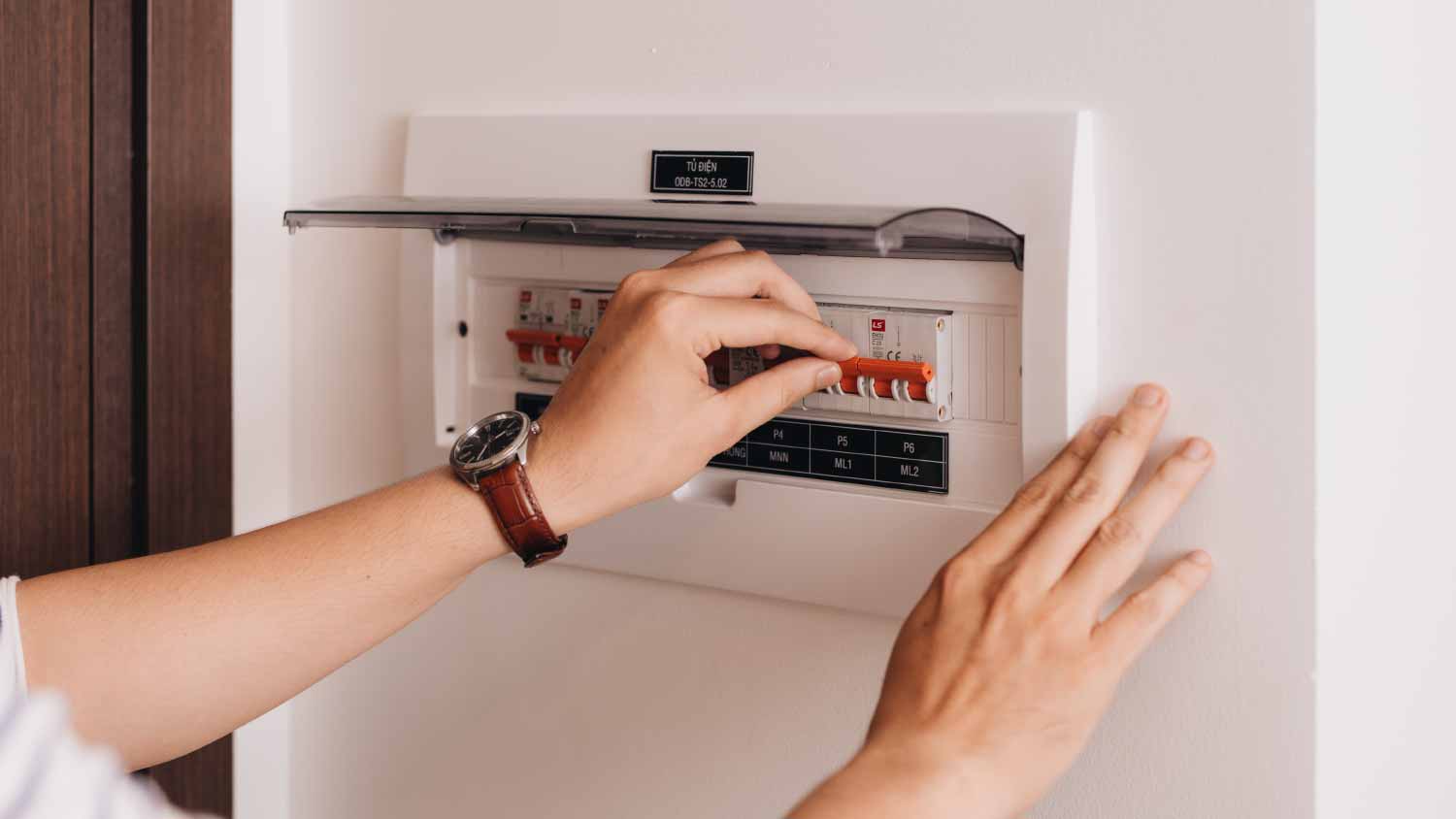
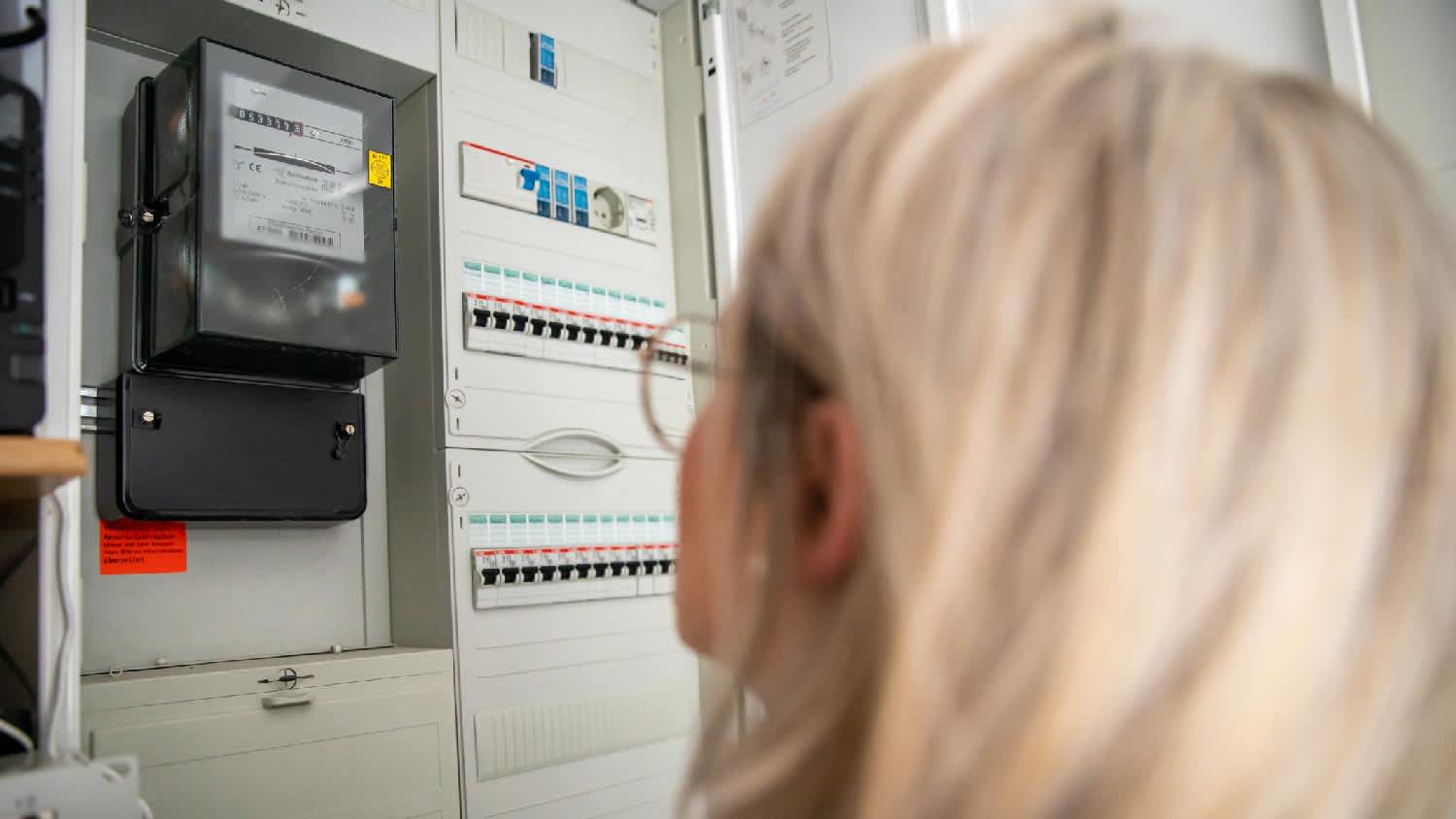
Is it time to upgrade your electrical panel? For the sake of safety, find out sooner than later by exploring our top signs that it’s time for an upgrade.