







Top-rated tree service pros.

Get matched with top tree service pros in Velma, OK

Enter your zip and get matched with up to 5 pros

Need a pro for your tree service project in Velma, OK?

Select your specific project to find the pro for you.

Find Tree service pros in Velma

Avatar for Earth and Arbor Tree Service
Earth and Arbor Tree Service
4.9(
36
)

Serving Velma, OK and surrounding areas

In business since 2010

Free estimates

Emergency services offered

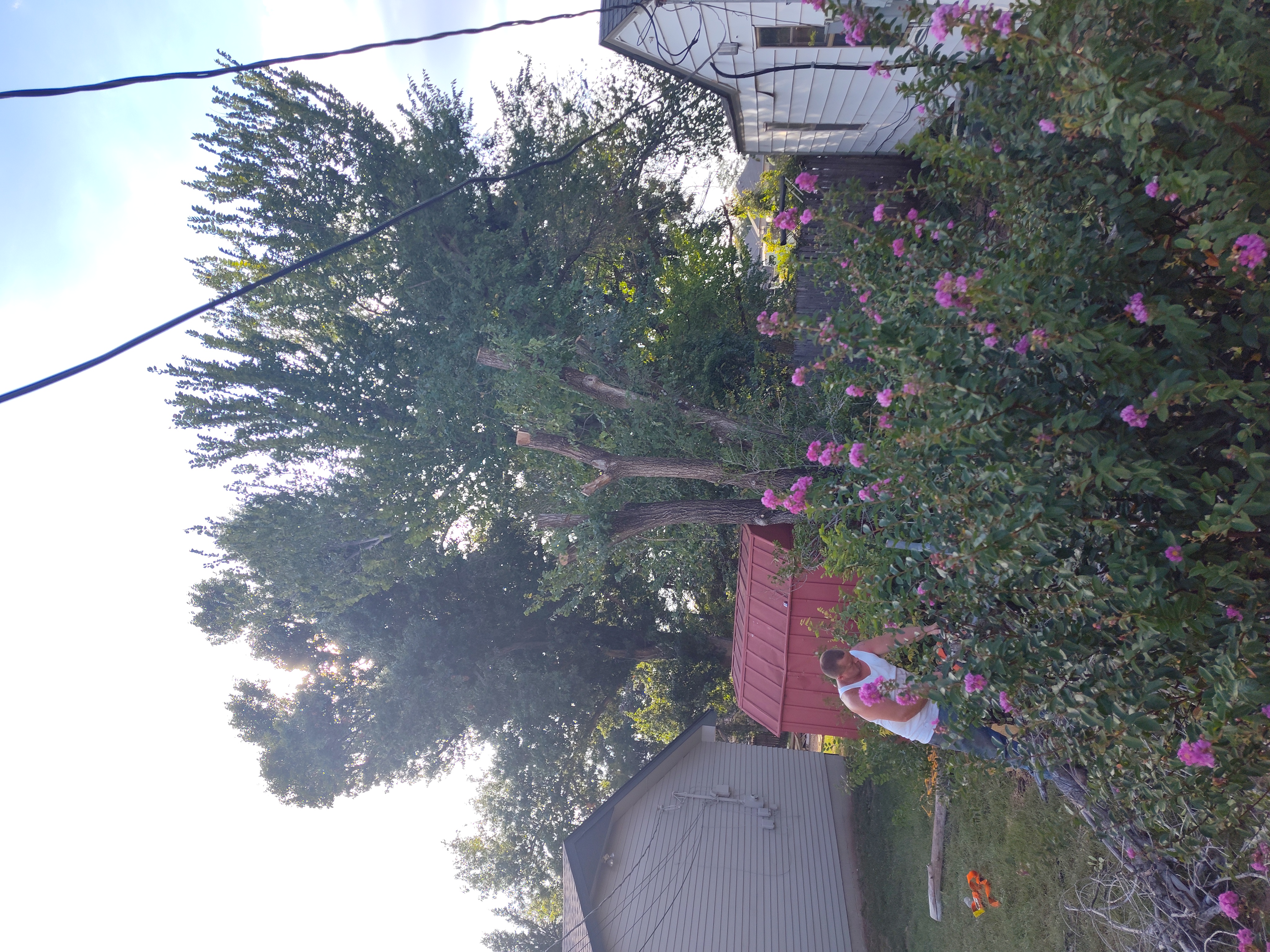
"Earth and Arbor does extremely good work. Caleb and Jake are very knowledgeable and take real pride and care in what they do. They come highly recommended from us for any tree trimming, landscaping, sprinkler system maintenance, as well as consultation regarding tree and plant health. These people really know what they are doing."
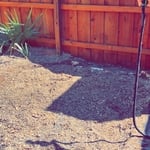
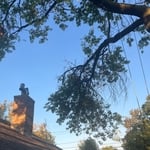
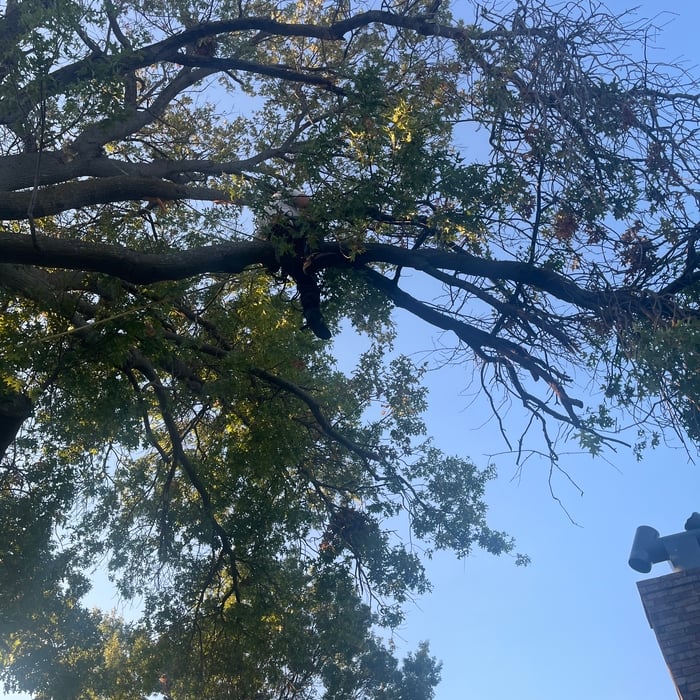
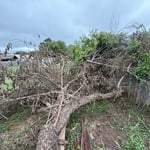
Additional Photos
Additional Photos
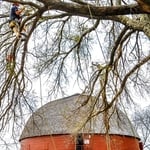
Round Barn
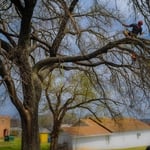
Elm
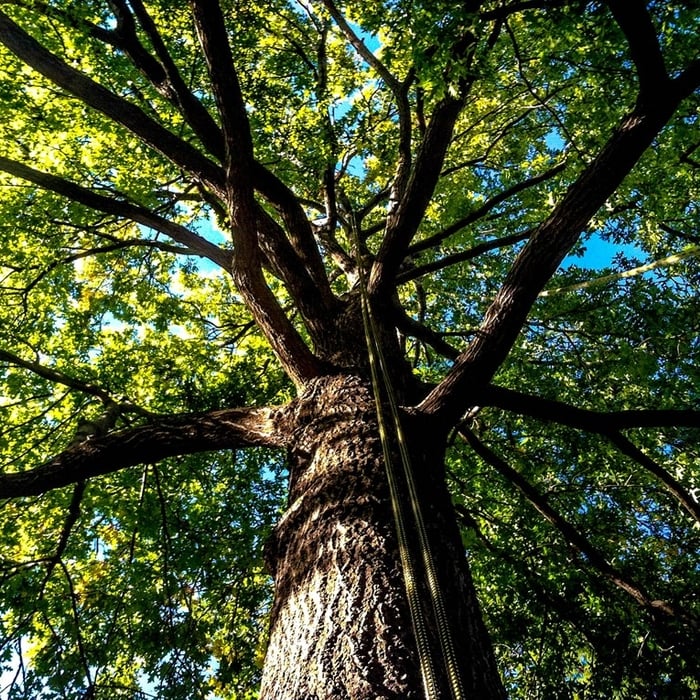
Pin Oak

+1

Recommended by100%of homeowners
Custom Tree Service
4.5(
35
)

Serving Velma, OK and surrounding areas

In business since 1998

Free estimates

Credit card accepted

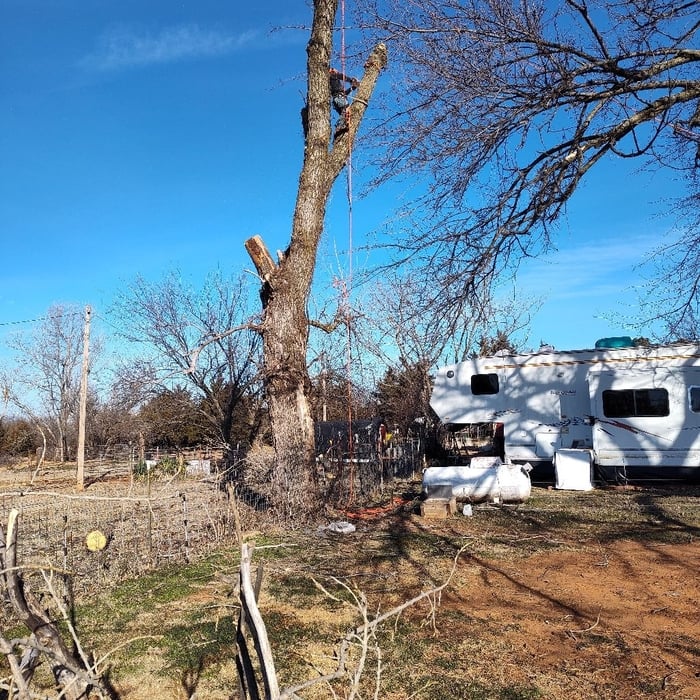
"We chose Eric and his partner for several projects including putting up a new fence and cutting down a huge tree that was inches away from our house and close to the sheds. We were happy to know he is insured. Nothing was damaged and the tree was reduced to a stump on each he poured a chemical to ensure it would stop growing. Eric did a great job getting rid of the old fence and the many vines that had grown everywhere along the fence line. He was very transparent with the costs for materials and put up the new fence in one day. He kept us informed at every stage and asked for payment when the projects were completed. I would totally recommend his services."
taking it down
Response time6 hrs
Response rate92%
Recommended by90%of homeowners
...
Showing 1-10 of 55
Tree Service questions, answered by experts

Trees don’t usually grow back after being cut down. Some particularly robust tree species may start sending up new stems from a stump to recover, but those stems won’t become a “tree” like before. Generally, trees don’t recover from being entirely cut down, which is why it’s important to be careful when making a decision. When you cut down a tree, it’s a good idea to make plans to remove the stump, even if it’s unlikely to grow back.

The fastest ways to remove a tree stump are by grinding it or burning it.

Stump grinding is often the quickest method, with professionals able to chip away a stump and its roots within a single session. You have the option to hire a professional stump removal service or rent a stump grinder to do it yourself. However, it's important to note that these machines can be large, difficult to transport, and dangerous to operate without prior experience. For safety reasons, hiring a local arborist or landscape specialist is often recommended.
Burning is another fast option. Before you begin, check your local burn laws. The process involves drilling holes into the stump, filling them with vegetable oil, and waiting 24 to 48 hours. Afterward, you can add charcoal bricks to the surface and light the fire, which must be attended at all times.

For a more affordable but much slower alternative, you can use potassium nitrate pellets to accelerate the natural decomposition process. This method typically takes four to six months.

Pruning can impact cold hardiness—but it’s less about the exact temperature and more about temperature variation. Generally, you don’t want to prune trees when there’s a risk of temperatures suddenly dropping from 50 to 60 degrees Fahrenheit to 0 degrees Fahrenheit or below. A tree is most sensitive until 48 hours after it’s pruned.

Lightning can cause massive damage, fires, and openings for other threats like bugs or fungal diseases. Barring any large fires or explosions, it’s difficult to tell how much damage a lightning strike has done until after a thorough inspection. Contact local authorities immediately if lightning strikes a tree in your yard and it causes a fire or explosion.

It’s not as common for Dutch elm disease to affect other types of trees, especially if the surrounding trees aren’t elms. However, it is possible for DED to spread to other trees, particularly in northern states, like Minnesota. In fact, it’s a good idea to use geography to identify wood and determine which types of trees are in your yard. 

Unfortunately, the complex and shallow root system of elm trees makes surrounding elm trees particularly vulnerable to DED. Early discovery is key!

The Velma, OK homeowners’ guide to tree services

From average costs to expert advice, get all the answers you need to get your job done.