Top-rated tree service pros.

Best tree service pros near Lindsay, OK

Enter your zip and get matched with up to 5 pros

Need a pro for your tree service project in Lindsay, OK?

Select your specific project to find the pro for you.

TRUSTED BY LINDSAY, OK HOMEOWNERS

  • Average homeowner rating star icon4.6
    Average homeowner rating
  • Verified reviews icon46
    Verified tree services reviews

Top-Rated Tree service pros in Lindsay - Updated Nov 2026

Avatar for Leevi Curren
Leevi Curren
New to Angi
Tree RemovalTree Stump - RemoveTree Trimming

Serving Lindsay, OK and surrounding areas

Approved

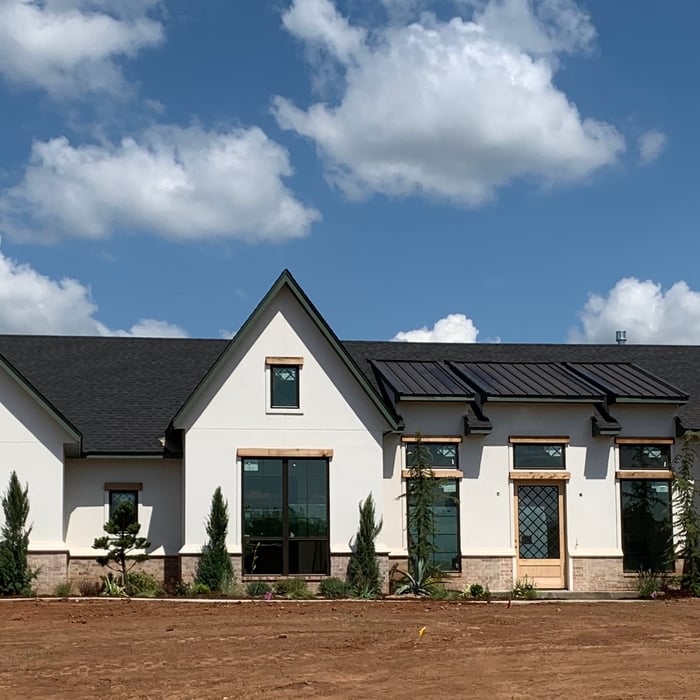
I have worked in many industries I worked in the automotive field for 10 years. I now work in supplying doors and trim for major builders across Oklahoma I am working directly with builders to find door hardware cabinet hardware as well as exterior doors. I have been doing lawn care for businesses and homeowners for the past five years, I’ve been helping family and friends and neighbors with projects that they’ve needed done, and I also manage my mother-in-law‘s rentals, I guess you could consider me a handyman or a jack of all trade. I’m just looking to help as many people as possible hopefully save them some money and gain some knowledge to hopefully expand into making this a full-time business. I will do my best to have fair pricing, I pride myself on being honest and straightforward with everyone.

...
Showing 1-10 of 100
Tree Service FAQs, answered by experts

White vinegar does not kill ivy on trees because its acetic acid concentration is not high enough to overpower it. Vinegar is an effective herbicide for weeds and other plants, but not for the strength of most ivies, including poison ivy and English ivy. You should use an herbicide to kill ivy, such as one with glyphosate, imazapyr, or triclopyr.

Unfortunately, palm tree stumps are one of the most difficult types to remove due to how their roots grow. Unlike other trees, palm tree roots grow horizontally and vertically. Palm tree roots grow as deep as three feet into the ground, although soil and growing conditions could mean they go as far as 50 inches into the earth. 

If you want to be able to repurpose the grass in the area where you removed a stump later, you’ll have to dig quite deep—and perhaps wide—to trim away all the roots.

Ivy eventually kills trees by restricting its growth, blocking sunlight, absorbing nutrients and water from the soil, and weakening the tree. Trees with ivy are more likely to experience diseases, pests, rot, and fungi growth. When ivy weighs down tree branches, the tree is more likely to break during a storm and cause damage.

No. Topping a tree refers to severely cutting down all its major branches and tree in a straight line. It was once recommended for streetside deciduous trees but has fallen out of practice. Topping leads to many problems, removing so much of the tree that many trees struggle to survive and become much more vulnerable to insects and diseases. Also, it doesn’t really help tree growth as once assumed and often leads to an ugly appearance of many sprouting stems in competition to become new main branches.

The exact answer to this question depends on which region of the country you’re talking about, but according to various tree counts, some of the most common types of trees in the United States include red maple, Douglas fir, quaking aspen, loblolly pine, and sweetgum.

The Lindsay, OK homeowners’ guide to tree services

From average costs to expert advice, get all the answers you need to get your job done.