





Top-rated fire pit installation pros.

Get matched with top fire pit installation pros in Skiatook, OK

Enter your zip and get matched with up to 5 pros

Need a pro for your fire pit installation project in Skiatook, OK?

Select your specific project to find the pro for you.

TRUSTED BY SKIATOOK, OK HOMEOWNERS

  • Average homeowner rating star icon4.4
    Average homeowner rating
  • Verified reviews icon174
    Verified fire pit installation services reviews

Find Fire pit installation pros in Skiatook

Avatar for The Handy Familyman
The Handy Familyman
New to Angi
Firepit Assembly

Serving Skiatook, OK and surrounding areas

At The Handy Familyman, we provide reliable, affordable handyman services for homeowners, seniors, and families throughout Tulsa, Owasso, Collinsville, Skiatook, Sand Springs, Oologah, and nearby areas. From plumbing repairs and fence fixes to TV mounting, painting, and furniture assembly?we handle everyday home repairs with professionalism and care. We?re proud to serve our neighbors with friendly, on-time service and straightforward pricing. No job is too small, and every client matters. Contact us today for a free estimate!

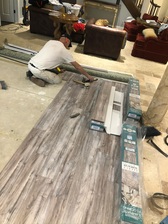
Carpet/underlayment
Dirt under carpet
Scraped
Swept
Mopped

+2

Fire Pit Installation questions, answered by experts

You don’t have to put smoke detectors in every room. At a minimum, though, there should be one on every level of your home, one in every bedroom, and one in the hallways outside the bedrooms. If you have a floor without bedrooms, place a smoke detector in the living room or next to any stairs that lead to an upper level. Attics and basements should also have at least one smoke alarm.

Generally, an oil furnace is considered safer than a gas furnace for several reasons. While both types of furnaces can produce carbon monoxide, a leak in an oil furnace is easier to detect due to the smell. Oil furnaces also don't connect to a gas pipeline, which reduces the chance of a fuel leak. Most importantly, heating oil is not combustible, whereas natural gas is highly flammable. This means there is a much lower risk of combustion or explosion with an oil furnace. However, an oil furnace can still pose a fire hazard if it tips over.

Yes, you should seal and cap an unused chimney to protect it from damage. Sealing the structure helps prevent moisture damage, which can lead to issues like cracks, spalling, efflorescence, and damaged mortar joints. Capping the chimney is also crucial to prevent blockages, damage from invasive critters, and downdrafts, while still allowing for proper air ventilation to manage moisture. For the best results, consult a chimney professional to select the right type of chimney or flue cap for your home. It's also wise to continue with annual chimney inspections to maintain the structure's integrity.

The best way to store firewood is outdoors and away from your home, shed, or garage. Stacking wood against your house can be a fire hazard and attract unwanted pests. Store your firewood under a shelter where it's protected from rain and snow but still exposed to sunlight and open air. You can lay a tarp on top to help keep moisture out.

You should only use water to put out a fire in your fireplace in an emergency situation. Even then, it is better to use a fire extinguisher to put out a fire quickly. Make sure every room in your house that has a fireplace also has a fire extinguisher—and that everyone in your household knows how to use one.

The Skiatook, OK homeowners’ guide to fire pit installation services

From average costs to expert advice, get all the answers you need to get your job done.