




Top-rated arborists.

Best arborists near Lindsay, OK

Enter your zip and get matched with up to 5 pros

Need a pro for your arboricultural service project in Lindsay, OK?

Select your specific project to find the pro for you.

TRUSTED BY LINDSAY, OK HOMEOWNERS

  • Average homeowner rating star icon4.6
    Average homeowner rating
  • Verified reviews icon56
    Verified arboricultural services reviews

Top-Rated Arborists in Lindsay - Updated Nov 2026

Avatar for Sassygrass, LLC
Sassygrass, LLC
5.0(
45
)
Tree RemovalTree TrimmingTree Removal - For Business+1 more

Serving Lindsay, OK and surrounding areas

Approved

In business since 2016

Free estimates

Emergency services offered

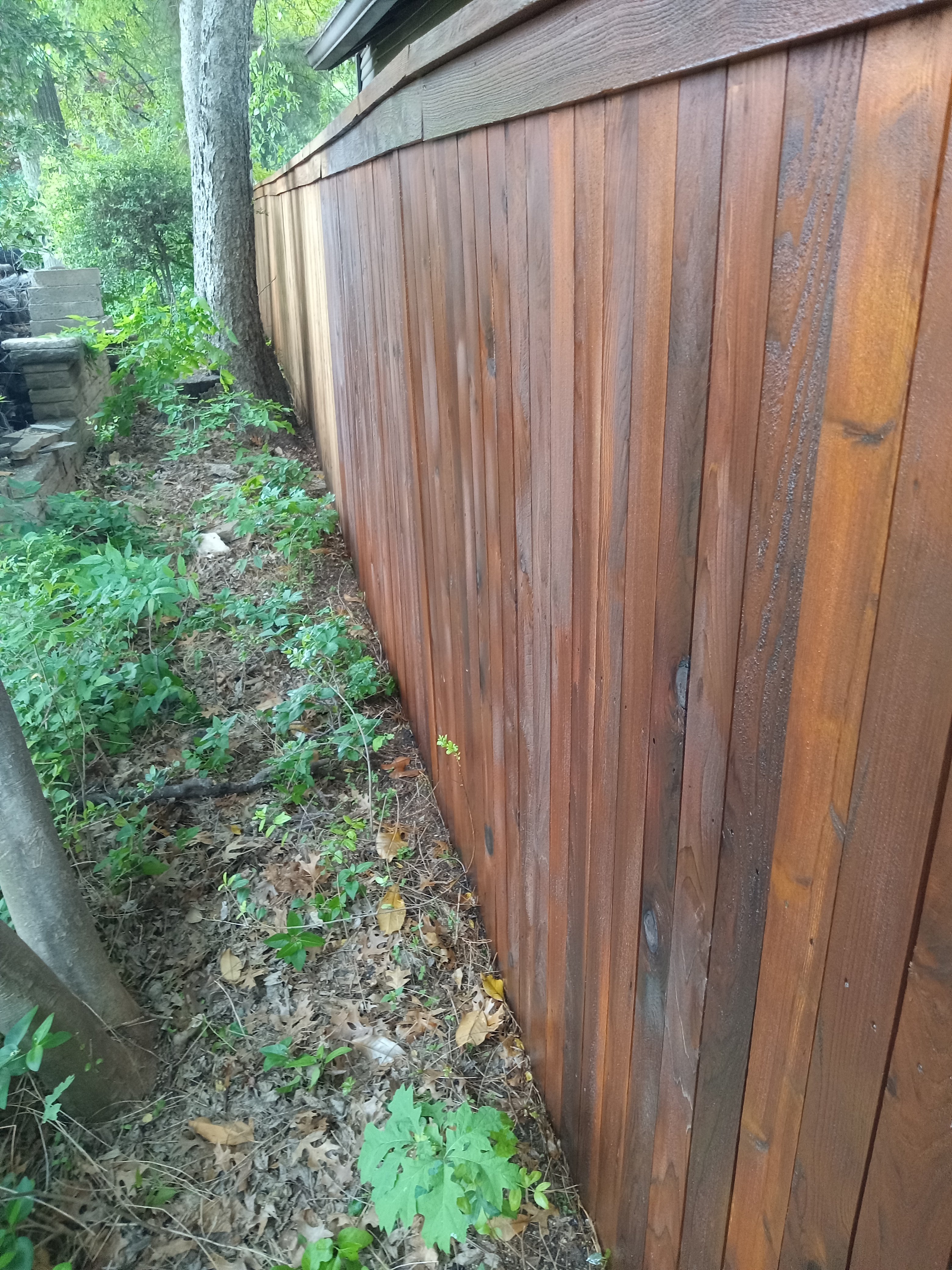
"From the first time I spoke with Autumn I was impressed. I ended up using Sassy Grass for not only the installation of cedar fencing but the removal of several trees and the stump grinding as well. The two man crew was professional, courteous, and worked hard from start to finish. I would recommend Sassy Grass to friends and family both without hesitation!"
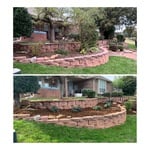
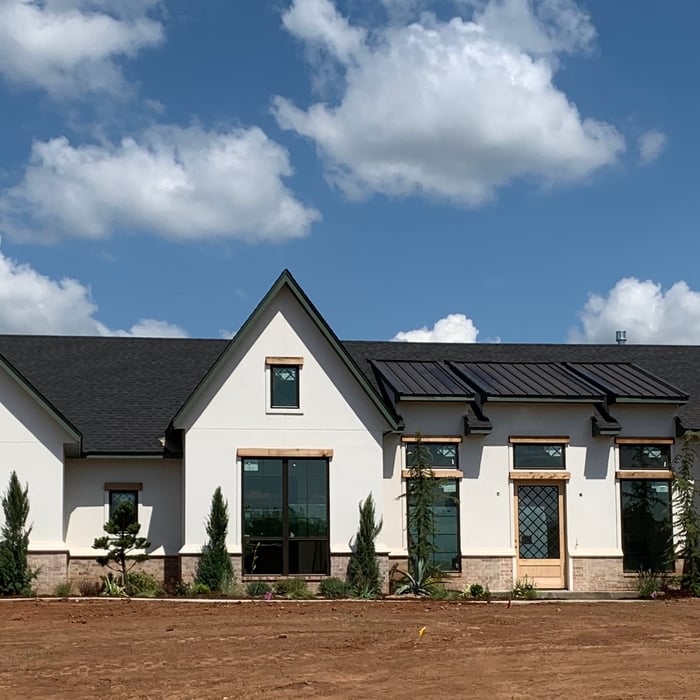
Landscape installation
Landscape Installation
Lake front back yard- before/after
Lake front back yard before/after
Spanish Revival After

+4

Response time9 hrs
Response rate94%
22 neighbors recently requested a quote

Avatar for Leevi Curren
Leevi Curren
New to Angi
Tree RemovalTree Stump - RemoveTree Trimming

Serving Lindsay, OK and surrounding areas

Approved

I have worked in many industries I worked in the automotive field for 10 years. I now work in supplying doors and trim for major builders across Oklahoma I am working directly with builders to find door hardware cabinet hardware as well as exterior doors. I have been doing lawn care for businesses and homeowners for the past five years, I’ve been helping family and friends and neighbors with projects that they’ve needed done, and I also manage my mother-in-law‘s rentals, I guess you could consider me a handyman or a jack of all trade. I’m just looking to help as many people as possible hopefully save them some money and gain some knowledge to hopefully expand into making this a full-time business. I will do my best to have fair pricing, I pride myself on being honest and straightforward with everyone.

...
Showing 1-10 of 101
Arborists FAQs, answered by experts

The best time to transplant a tree is when it is dormant. For many trees, this means either in the fall after the leaves have dropped (around October or November) or in early spring before new growth begins (around March). The ideal timing can depend on the type of tree. Deciduous trees do well when moved in early spring or fall, while evergreens are best transplanted in early spring or late summer. For example, pine trees are best moved in early fall, but maples prefer late fall. Avoid transplanting in winter, as the frozen or hard, cold soil poses a significant risk to the roots and prevents the tree from acclimating properly.

The felling notch you make before you make the final cut will determine which way the tree will fall. The cut will be in a wedge or triangle, and the tree will fall from the highest point of the triangle. You can use this, as well as the process described above, to estimate where a tree will fall. 

Peach trees grow to be about 25 feet, so keep this in mind for pruning as well. If you plan to DIY, you’ll need to be comfortable working on a ladder. Without pruning, peach tree branches can sprawl nearly as wide as the tree grows tall, so make sure to plan pruning sessions at least once per year in the spring for controlled growth. And if you’re working on a ladder, be sure to follow all safety precautions, especially if you’ll be dealing with falling branches.

If you want to take your tree-planting hobby beyond your outdoor space, here are a few great ways to do it:

  • Encourage your neighbors to participate in the Arbor Day Foundation’s Tree City USA program, which has a four-step framework that helps communities grow and maintain their own tree cover.

  • Support businesses that plant trees. 

  • Lobby your local government to plant more trees around your community.

  • Donate to a tree-planting charity.

You may be looking to identify maple trees to use for home improvement projects. In that case, you can tell hard maples by looking at their leaves. Leaves will have a U-shaped dip, or sinus, between the points, or lobes, of the leaves. Leaves of soft maples tend to have V-shaped sinuses.

If you already have the cut wood in front of you, look for a light, uniform color to identify hard maple wood and check for variations of red, gray, or brown streaks and an overall darker color in soft maple wood.

The Lindsay, OK homeowners’ guide to arboricultural services

From average costs to expert advice, get all the answers you need to get your job done.