



Top-rated drywall pros.

Best drywall pros near Lexington, OK

Enter your zip and get matched with up to 5 pros

Need a pro for your drywall service project in Lexington, OK?

Select your specific project to find the pro for you.

TRUSTED BY LEXINGTON, OK HOMEOWNERS

  • Average homeowner rating star icon4
    Average homeowner rating
  • Verified reviews icon15
    Verified drywall services reviews

Top-Rated Drywall pros in Lexington - Updated Nov 2026

L and L Adventures
New to Angi
Drywall - InstallDrywall - Repair

Serving Lexington, OK and surrounding areas

Approved

Free estimates

Emergency services offered

Warranties offered

Hi, my name is Tommy and I'm the owner and operator of l and L Adventures. A small company formed so I can meet the needs of individuals in need of a variety of jobs completed. My service extend from small home and farm repairs and services to remodels, custom drywall finishing and textures, landscaping and planning, painting and much much more. \nTogether we can find an innovative solution to meet your needs. God provides and if we love him and one another the same we will surely make him smile. Free estimates. Call me anytime to chat about what I can do for you.

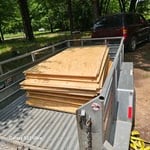
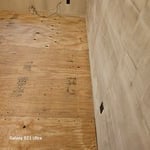
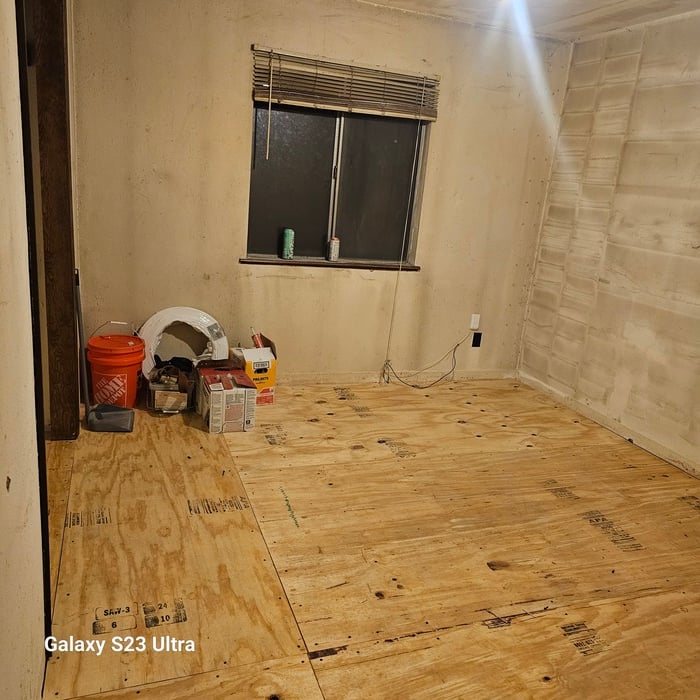
Subfloor replacement

+15

Avatar for Mosh-Crew Painting
Mosh-Crew Painting
New to Angi
Drywall - Repair

Serving Lexington, OK and surrounding areas

Approved

Free estimates

Small jobs welcome

Hi! Mosh Crew painting here! We are looking to bring a stress free environment when painting your home. You can count on over 25 years combined experience, promptness and professionalism from us. We hope to hear from you so we can help you love looking at your home again!

...
Showing 1-10 of 162
Drywall FAQs, answered by experts

Whether you apply the drywall mesh before or after drywall mud depends on the type of patch it is. For self-adhesive patches, you’ll put the patch down first and then coat it with mud. Mesh patches that are not self-adhesive will require you to put mud down first and then press the mesh into it, followed by additional coats of mud.

Fixing ceiling nail pops involves similar steps to wall repair, with the major difference being the orientation of the work. Ceiling nail pops can be more challenging because you may need to work overhead, which can be physically demanding and require additional safety precautions. Additionally, the ceiling may have different materials or finishes, such as textured surfaces, which can affect the repair process. Otherwise, the fundamental steps are the same.

It is more difficult to drywall a ceiling than it is to drywall a wall, but not so hard that DIYers can’t tackle it. One of the main issues with hanging drywall on your ceiling is getting it into place. Drywall isn’t light so, if you are hanging full drywall panels, you will need at least two (it’s better with more) people to hold the panel while you drill it into the ceiling as a single piece can weigh between 40 and 60 pounds and will need to be held in place for up to 10 minutes.

The two most common drywall thicknesses for ceilings are 1/2-inch and 5/8-inch. For most standard residential applications, 1/2-inch drywall is sufficient and widely used. It provides adequate support and is lighter and easier to handle during installation compared to thicker sheets. However, 5/8-inch drywall is often used for specific cases where additional benefits are needed. It is heavier but provides superior sound dampening and fire resistance. You should consider using 5/8-inch drywall for ceilings in commercial buildings, between a garage and a living space, or above a finished basement to meet building codes or for enhanced soundproofing.

All plaster walls will crack over time due to normal house settling and expansion and contraction from temperature and moisture changes. Small, thin hairline cracks are generally not serious and are mostly a cosmetic issue. However, larger or more significant cracks can indicate structural problems.

Here's how to tell the difference:

  • Cosmetic Cracks: Cracks that are 0.5 cm (0.2 inches) or thinner are typically cosmetic.

  • Structural Cracks: Cracks wider than 0.5 cm, excessive or deep cracks, multiple cracks in the same area, or cracks that span around corners can signify a structural or foundation issue. Cracks along the joints where walls meet the ceiling also warrant attention.

For cracks wider than 0.5 cm, structural repair is needed. If a crack is 2.5 cm (1 inch) or wider, or if you notice any signs of a structural problem, it is best to contact a plaster repair professional to assess the damage.

The Lexington, OK homeowners’ guide to drywall services

From average costs to expert advice, get all the answers you need to get your job done.