







Top-rated electricians.

Get matched with top electricians in Mannsville, OK

Enter your zip and get matched with up to 5 pros

Need a pro for your electrical service project in Mannsville, OK?

Select your specific project to find the pro for you.

Find Electricians in Mannsville

Avatar for WESTERN STAR LIGHTNING PROTECTION
WESTERN STAR LIGHTNING PROTECTION
5.0(
5
)
Lightning Protection - Install or Repair

Serving Mannsville, OK and surrounding areas

Approved

In business since 2013

Free estimates

Credit card accepted

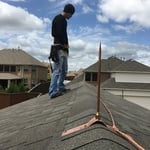
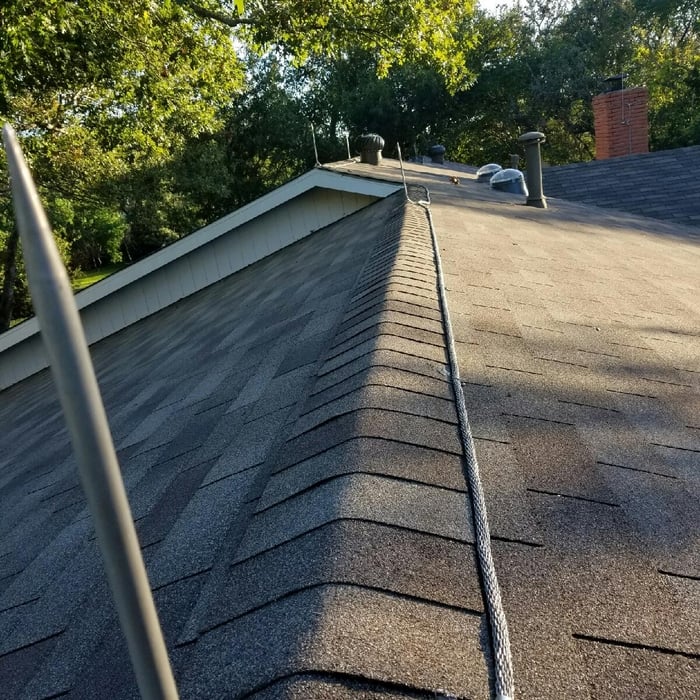
Western Star Lightning Protection is a leading lightning protection and lightning rod installation company that services all western states. As members of NFPA, we only use UL-listed materials. We have the experience and expertise to install lightning protection systems that meets the highest safety standards. Contact us for quotation and you will find that prices are truly affordable. We take great pride in our experience, expertise, quality, and customer service that we provide to meet the consumer's needs. It is our mission to provide excellent workmanship and complete customer satisfaction from start to completion of a project. In order to understand the needs and expectations of our customers, we take great care to work and communicate with every customer in a professional manner. Our reputation is based on service, safety, and quality, regardless of how large or small the job.

Concealed LP Systems
Residential Installs

+17

21 neighbors recently requested a quote
Summit Electrical Solutions INC
New to Angi
Electrical Wiring or Panel UpgradeElectrical for Home Addition or Remodel - InstallElectrical Wiring or Panel Upgrade - For Business+1 more

Serving Mannsville, OK and surrounding areas

Approved

Free estimates

Credit card accepted

Offers commercial services

Summit Electrical Solutions is a Native American-owned and operated business in Southern Oklahoma, providing high-quality electricians with high-quality solutions. We are in the business of serving our customers.

6 neighbors recently requested a quote
...
Showing 1-10 of 64
Electrical questions, answered by experts

To determine if an electrical outlet is blown, look for visible signs of damage such as a burning or smoky smell, burn marks, or a melted or discolored plastic cover. If you notice a burning smell, contact an electrician immediately. Other signs include a plug that keeps falling out or the outlet not working when you test it with different devices. For further troubleshooting, you can use a voltage tester or multimeter to check for power; a reading of zero indicates a problem. Also, check your circuit breaker or fuse box to see if the circuit was tripped and reset it if necessary. If these steps don't resolve the issue, the outlet may need to be replaced.

You should never wire neutral and ground wires together at a light switch. Not only is it unsafe, but it’s also incorrect. The neutral and ground wires perform separate functions in an electrical circuit and should never be swapped or wired together at a light switch, light, or outlet. 

While washers and dryers do not require a GFCI (ground fault circuit interrupter) outlet to function properly, electrical codes often mandate their use for safety. The National Electrical Code (NEC) requires GFCI protection for all outlets within six feet of a water source. This means a washer and dryer must be plugged into a GFCI outlet if they are installed in locations like a laundry room, utility room, garage, or basement. In other areas without a nearby water source, there is no specific requirement, but using a GFCI outlet is still recommended for extra peace of mind. It is always best to consult your local codes and regulations to ensure compliance and safety.

A home electrical inspection usually takes one to two hours. Full home inspections fall on the longer side, while code compliance inspections that focus on a single repair or installation may only take a few minutes. Optional add-ons like infrared inspections can add time, but these aren’t usually included in your standard inspection.

The American Wire Gauge system calculates wire size diameters using the complicated formula D(AWG)=.005·92((36-AWG)/39) inch. A simpler rule of thumb is that every six-gauge decrease doubles the wire diameter, and every three-gauge decrease doubles the wire’s cross-sectional area. On the other hand, wavenumbers are typically measured in reciprocal meters (1/m or m−1) or reciprocal centimeters (1/cm or cm−1).

The Mannsville, OK homeowners’ guide to electrical services

From average costs to expert advice, get all the answers you need to get your job done.