Top-rated plaster repair specialists.

Get matched with top plaster repair specialists in Elgin, OK

Enter your zip and get matched with up to 5 pros

Need a pro for your plaster repair project in Elgin, OK?

Select your specific project to find the pro for you.

TRUSTED BY ELGIN, OK HOMEOWNERS

  • Average homeowner rating star icon3.6
    Average homeowner rating
  • Verified reviews icon21
    Verified plaster repairs reviews

Find Plaster repair specialists in Elgin

Avatar for ZacLee Home Services LLC
ZacLee Home Services LLC
5.0(
5
)
Plaster - Install

Serving Elgin, OK and surrounding areas

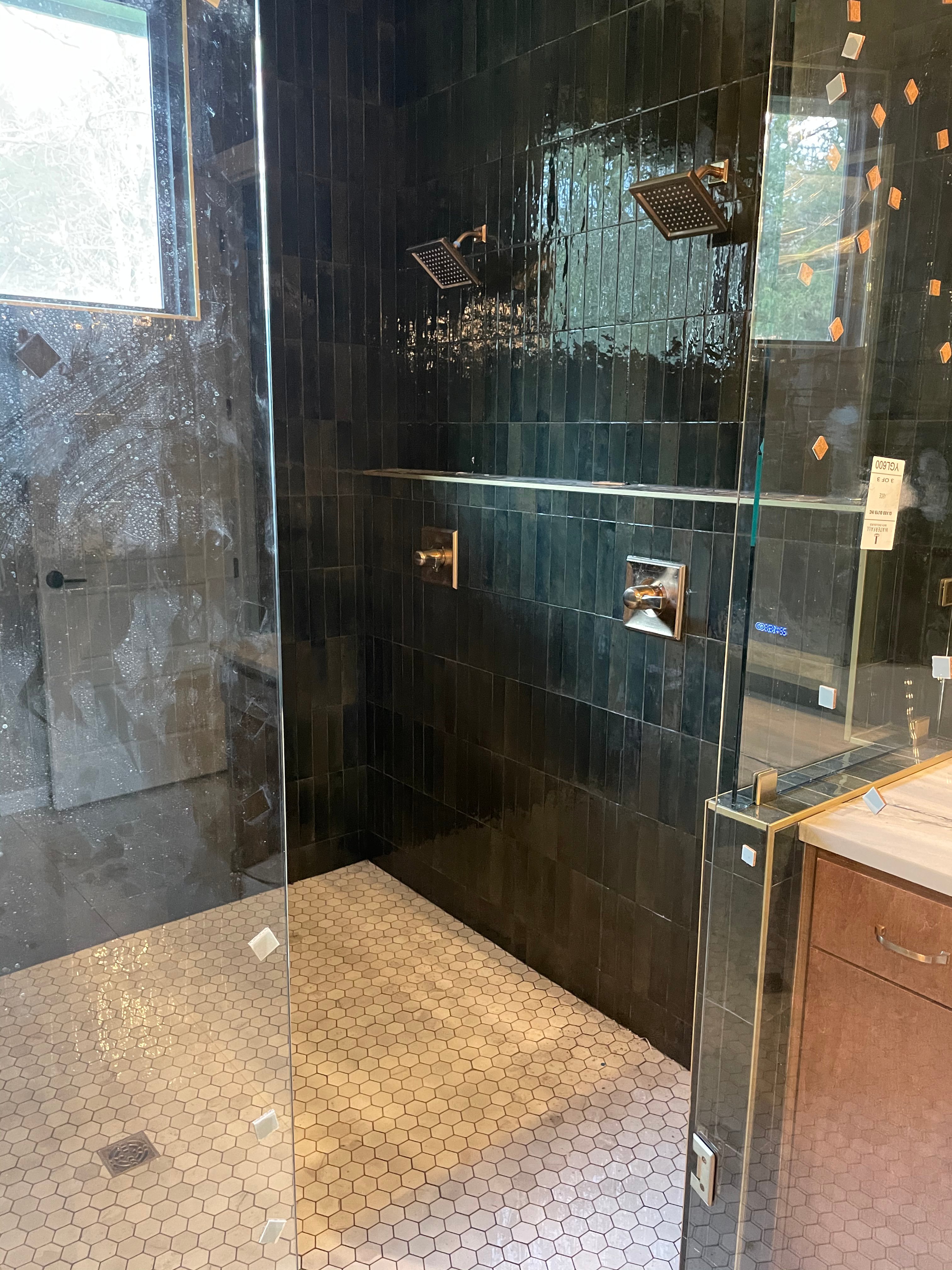
I bring hands-on experience, reliability, and pride in workmanship to every project. As the owner of ZacLee Home Services LLC, I understand that customers aren’t just hiring someone to complete a repair—they’re trusting someone with their home. I take that responsibility seriously. I offer a wide range of handyman, repair, maintenance, and remodeling services and focus on providing quality work at a fair price. I communicate clearly, show up when promised, and work hard to find practical solutions that fit each customer’s needs and budget. My goal is to build long-term relationships through honesty, dependable service, and results I’m proud to put my name behind. When you select my business, you’re choosing a local small business that is committed to earning your trust and delivering quality work every time.

Showing 1-10 of 31
Plaster Repair questions, answered by experts

The cost to repair a ceiling after a water leak can vary, with averages ranging from $419 to $1,359, or $45 to $55 per square foot. Smaller patches may cost around $150. The final price depends on the size of the affected area and the extent of the damage. Remember that you will also need to repair the source of the leak, such as roof damage or a plumbing issue, which can cost an additional $200 to $1,550. Depending on the situation, you might also face costs for repainting or repairing floors. For an accurate estimate, it is best to get a quote from a professional.

Yes, you can install drywall over plaster, but there are important factors to consider. While it can create a smooth, flat surface, it is often not the best approach. Installing drywall over plaster will increase the wall's thickness, which can cause issues with existing window and door frames that may no longer fit. You might also need to adjust power outlets to keep them accessible. A better, though more expensive, option is to remove the old plaster and lath entirely before installing new drywall. Drywalling directly over plaster seals in the old material, and if any problems arise later, you will need to remove both layers down to the structural beams for repairs. Given the potential complications, this job is best handled by professionals.

Like many other repair projects, the cost to fix a behind-the-wall shower leak depends on several factors. The cost of your repair may depend on the type of leak (from a clog or burst pipe), type of piping, and location of the leak. The extent of the issue and how difficult it is to access the pipes can greatly impact and increase your price. On average, you can expect to pay around $150 to $600 to repair a leaking shower.

It depends on the construction of your wall. Most handypeople can fix small holes in drywall. If your wall is plaster or brick, more significant damage may require a drywall contractor or a mason. Hiring a handyperson costs less than a more specialized type of contractor, but they’re not trained in all types of wall repairs.

Although they have similar applications, spackle and joint compound are not the same. Their primary differences lie in their composition, consistency, and ideal use cases.

Spackle is composed of gypsum and binding agents, making it thicker than joint compound. It dries quickly and is easy to sand, which makes it ideal for small wall repair projects like filling nail holes or patching minor damage.

Joint compound, also known as drywall mud, consists of limestone and gypsum. It is primarily used for large-scale projects, such as taping and finishing the seams on newly installed drywall. It tends to shrink more than spackle and can be more difficult to spread.

While both products can be used to fill small depressions and cracks, spackle cannot replace joint compound for taping and mudding new drywall. Conversely, you can often use joint compound for small patching jobs typically done with spackle.

The Elgin, OK homeowners’ guide to plaster repairs

From average costs to expert advice, get all the answers you need to get your job done.