



Top-rated excavation pros.

Get matched with top excavation pros in Arkoma, OK

Enter your zip and get matched with up to 5 pros

Need a pro for your excavation project in Arkoma, OK?

Select your specific project to find the pro for you.

Find Excavation pros in Arkoma

Avatar for G&S Contracting LLC
G&S Contracting LLC
5.0(
5
)
Building Site - Preparation and ClearingBuilding Site - Preparation and Clearing - For BusinessExcavation - Major Grading or Resloping+2 more

Serving Arkoma, OK and surrounding areas

In business since 2018

Free estimates

Emergency services offered

"Ladies, if you have a husband or on your own, please get a hold G&S Contracting LLC. Stop putting repairs off. Mike is a man of his word and I guarantee he will not empty your pocketbook. Things he has done for me was put up 2 ceiling fans, a window a/c unit, 2 gates on my porch to make me feel safe. All things I could not do on my own. The list goes on and on. Please call, you'll be glad you did. He is a true handyman."
Harp renovation
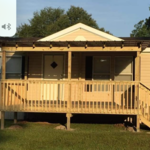
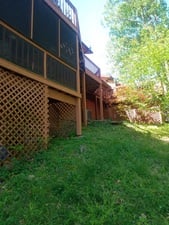
New deck on Randall home
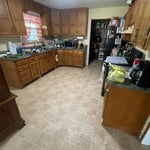
Kitchen before flooring
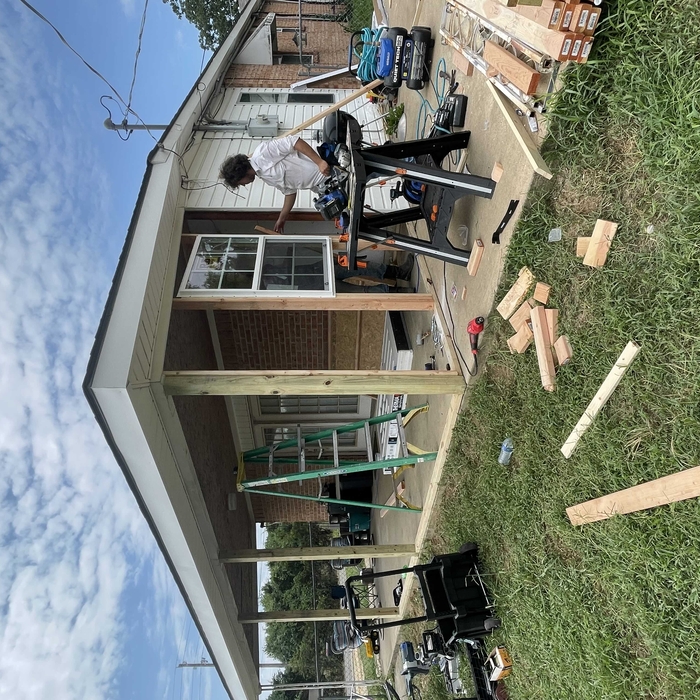
Home renovation
New Construction-Residential.

+76

Recommended by100%of homeowners
Showing 1-10 of 37
Excavating questions, answered by experts

Concrete blocks are the cheapest way to base a shed. However, the space in between allows critters to go under, burrow, and even damage your shed’s frame. For a more pest-proof option, consider building a shed base with gravel or paver stones. Both options are fairly affordable and easy enough for a DIY project. For gravel, you can build a wooden frame to contain the loose material.

Sewer lines can be buried anywhere from 18 inches to 8 feet deep, with a common average depth between 18 and 30 inches. The exact depth depends on local factors like climate and soil type. In colder regions, pipes must be buried deeper (below the frost line) to prevent freezing, sometimes as deep as 8 feet. The digging depth can also impact the cost of sewer line replacement. To find the specific depth for your property, you can check the building plans for your system, which should be on file with your city or local sanitation department since permits are required for installation.


Most residential basements are 8 to 10 feet deep. You can dig deeper depending on building codes, but it does become more difficult. You’ll likely need to install stronger foundation walls and additional supports to handle the increased load. Depending on the water table, you may also need a water management system. Clay soil can support a deeper foundation than sandy soil. A structural engineer will be able to tell you the maximum, feasible depth.

In most areas, you will need a permit for excavation work, even for projects that only involve grading or yard leveling. Permit requirements depend on your local government and the scope of the project, but they are especially common for significant digging or work that could affect utilities or public property. These permits help protect the local topography and prevent drainage issues. An experienced excavation company will typically know whether permits are needed and can often handle the process of pulling and closing them for you. You can also verify permit requirements by contacting your local building department and describing your project.

There is no standard depth for burying a septic tank; they are typically buried anywhere from 4 inches to 4 feet underground. The final depth depends on several factors, including the depth of your main sewer line, the height of the bedrock, soil type, local regulations, and the property's landscape. If you plan to grow grass or plants over the tank, a depth of at least 4 to 6 inches is recommended. Deeper tanks can be more difficult to locate, but a septic professional can help find it for you.

The Arkoma, OK homeowners’ guide to excavation services

From average costs to expert advice, get all the answers you need to get your job done.