




Top-rated excavation pros.

Get matched with top excavation pros in Mountainburg, AR

Enter your zip and get matched with up to 5 pros

Need a pro for your excavation project in Mountainburg, AR?

Select your specific project to find the pro for you.

Find Excavation pros in Mountainburg

Avatar for Summit Land Solutions
Summit Land Solutions
5.0(
3
)
Building Site - Preparation and ClearingExcavation - Major Grading or ReslopingLandscape - Minor Grading or Resloping

Serving Mountainburg, AR and surrounding areas

Approved

In business since 2024

Free estimates

Small jobs welcome

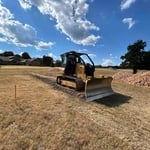
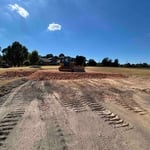
"I passed Sid clearing snow from a lot near my business. I asked if he could do ours and was ready to jump to the job. He was quick to give me a quote. Showed up on time and super professional. I am already talking with him about another project. I 100% recommend using summit land solutions!"
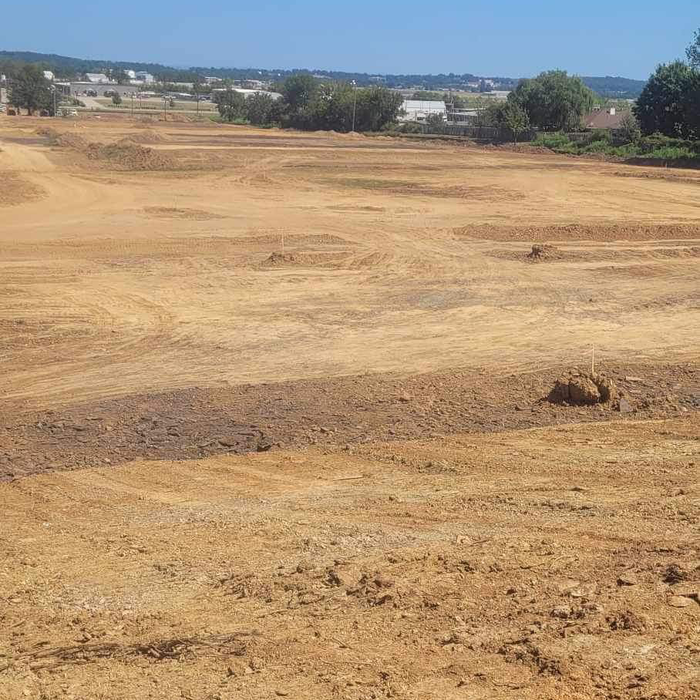
Brush/Tree cleanup
Brush/Tree cleanup
Brush/Tree cleanup
Brush/Tree cleanup
1 neighbors recently requested a quote
SAMS EXCAVATING LLC
New to Angi
Building Site - Preparation and ClearingExcavation - Major Grading or ReslopingLandscape - Minor Grading or Resloping

Serving Mountainburg, AR and surrounding areas

In business since 2016

Credit card accepted

SAMS EXCAVATING is committed to excellence in every aspect of our business. We uphold a standard of integrity bound by fairness, honesty, and personal responsibility. Our distinction is the quality of service we bring to our customers. Accurate knowledge of our trade combined with ability is what makes us true professionals. Above all, we are watchful of our customers' interests, and make their concerns the basis of our business.

LS excavation and construction
New to Angi
Landscape - Minor Grading or Resloping

Serving Mountainburg, AR and surrounding areas

In business since 2007

Free estimates

LS Excavating and Construction is a locally owned and operated company that values honesty, integrity, and treats your home as if it were our own. You will find us to be competitively priced, while still paying close attention to the details of each and every project that we are involved with. We look forward to building lasting relationships, and guarantee your satisfaction. Give us a call today to get your project started!\n\n

Showing 1-10 of 28
Excavating questions, answered by experts

Digging a bush up by the roots is the most natural DIY method for removing a bush stump. Start by identifying the shrub type and revealing its roots. Cut the shrub to its base and loosen the soil, ensuring no utility lines are nearby. Optionally, treat the base with herbicide, then dig around the roots and cut a circle around the shrub using various tools. Dig a trench, cut the base of the root ball, and finally fill the hole to prevent regrowth. This thorough process ensures complete removal without damaging surrounding areas.

Most residential basements are 8 to 10 feet deep. You can dig deeper depending on building codes, but it does become more difficult. You’ll likely need to install stronger foundation walls and additional supports to handle the increased load. Depending on the water table, you may also need a water management system. Clay soil can support a deeper foundation than sandy soil. A structural engineer will be able to tell you the maximum, feasible depth.

Landscape edging is more DIYable than trenching. You can DIY your own digging projects, but proceed carefully and only with proper knowledge of the equipment and appropriate safety measures in place. Keep in mind the project's scope and estimate how long it will take you to do it on your own. While you can certainly save money by DIYing home improvement projects, you can’t exactly hide an unfinished—or worse, ruined— landscaping job from the neighbors. It’s always safer to call an excavation pro near you to get an estimate.

Septic drain lines (or leach lines) are typically buried between 18 and 36 inches underground, and should be at least 6 inches below the surface. These pipes are perforated and surrounded by filtering materials like sand or gravel. Burying the lines at this depth helps minimize odors and allows bacteria and other biological processes in the soil to effectively treat the wastewater. Burying lines too close to the surface can cause issues unless the soil is very compact and stable.

Downspouts should be buried at least 5 to 10 feet away from your foundation. This can vary depending on your local building codes, soil type, and property slope. The main goal is to ensure water is directed away from your foundation.

The Mountainburg, AR homeowners’ guide to excavation services

From average costs to expert advice, get all the answers you need to get your job done.