

Top-rated excavation pros.

Get matched with top excavation pros in Mulberry, AR

Enter your zip and get matched with up to 5 pros

Need a pro for your excavation project in Mulberry, AR?

Select your specific project to find the pro for you.

Find Excavation pros in Mulberry

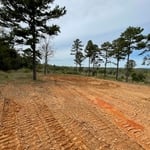
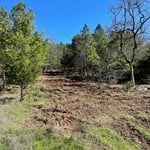
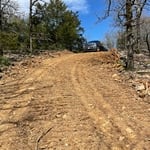
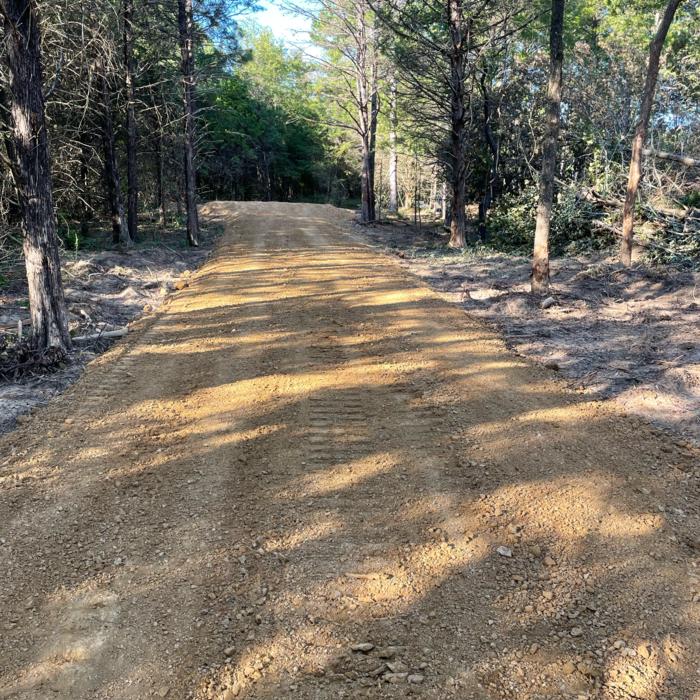
SAMS EXCAVATING LLC
New to Angi
Building Site - Preparation and ClearingExcavation - Major Grading or ReslopingLandscape - Minor Grading or Resloping

Serving Mulberry, AR and surrounding areas

In business since 2016

Credit card accepted

SAMS EXCAVATING is committed to excellence in every aspect of our business. We uphold a standard of integrity bound by fairness, honesty, and personal responsibility. Our distinction is the quality of service we bring to our customers. Accurate knowledge of our trade combined with ability is what makes us true professionals. Above all, we are watchful of our customers' interests, and make their concerns the basis of our business.

LS excavation and construction
New to Angi
Landscape - Minor Grading or Resloping

Serving Mulberry, AR and surrounding areas

In business since 2007

Free estimates

LS Excavating and Construction is a locally owned and operated company that values honesty, integrity, and treats your home as if it were our own. You will find us to be competitively priced, while still paying close attention to the details of each and every project that we are involved with. We look forward to building lasting relationships, and guarantee your satisfaction. Give us a call today to get your project started!\n\n

Showing 1-10 of 24
Excavating questions, answered by experts

In the United States, a depth of 36 inches (three feet) for underground water lines is the accepted industry standard. This depth varies from location to location based on local conditions. In areas with colder winters, they may be buried deeper to prevent frozen well water pipes : This is usually at least six inches below the frost level. The International Plumbing Code calls for a minimum of 12 inches below grade.

The rules and regulations regarding groundwater use vary between states. To find out if you can dig a well on your property, you’ll have to consult these regulations, address any compliance requirements, and get the appropriate permits. It’s also important to check that your intended location has the right geology and water table to support a well.

There are several methods to hollow out a tree stump, and the best one depends on your tools, experience, and priorities. Common methods include using a chisel and hammer, a chainsaw, or burning.

  • Chisel and Hammer: This is often considered the easiest approach for those with limited tools or experience, though it is the most time-consuming.

  • Chainsaw: Using a chainsaw is the fastest method, but it comes with significant safety risks, especially for inexperienced users.

  • Burning: This can be an effective method, but it is not recommended unless you can first drill holes into the stump. Without holes, the stump will be difficult to light and may not burn completely through.

A power drill with at least a ⅜-inch diameter bit can make the job quicker and easier, regardless of the primary method. While you can use a chisel or chainsaw without a drill, it will require more time and effort. Always wear protective goggles and thick gloves, as splinters are an inevitable risk.

To drill a shallow well, you may be able to use a drive well point. This is a tapered point that is driven into the ground. A drill bit at the end of PVC pipe may be another option to consider. A lot of the cost depends on what tools are available near you.

Dumpsters work best on hard, study, and level surfaces made of asphalt, stone, or concrete. If the surface is uneven or too soft, the dumpster could get stuck or tip over when filled. Keep in mind that you must obtain a dumpster permit to keep it on a city street in many areas.

The Mulberry, AR homeowners’ guide to excavation services

From average costs to expert advice, get all the answers you need to get your job done.