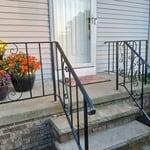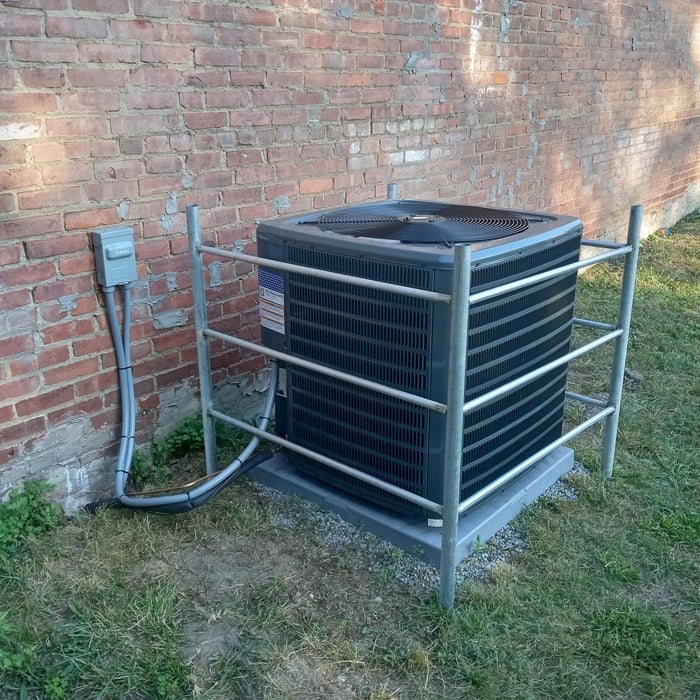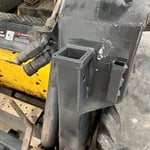


Top-rated welders.

Get matched with top welders in Streetsboro, OH

Enter your zip and get matched with up to 5 pros

Need a pro for your welding project in Streetsboro, OH?

Select your specific project to find the pro for you.

Find Welders in Streetsboro

Avatar for Currey's Custom Welding LLC
Currey's Custom Welding LLC
5.0(
1
)

Serving Streetsboro, OH and surrounding areas

Approved

In business since 2020

Free estimates

Emergency services offered

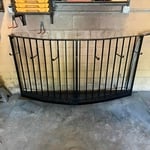
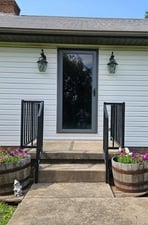
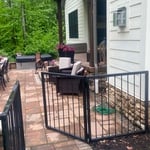
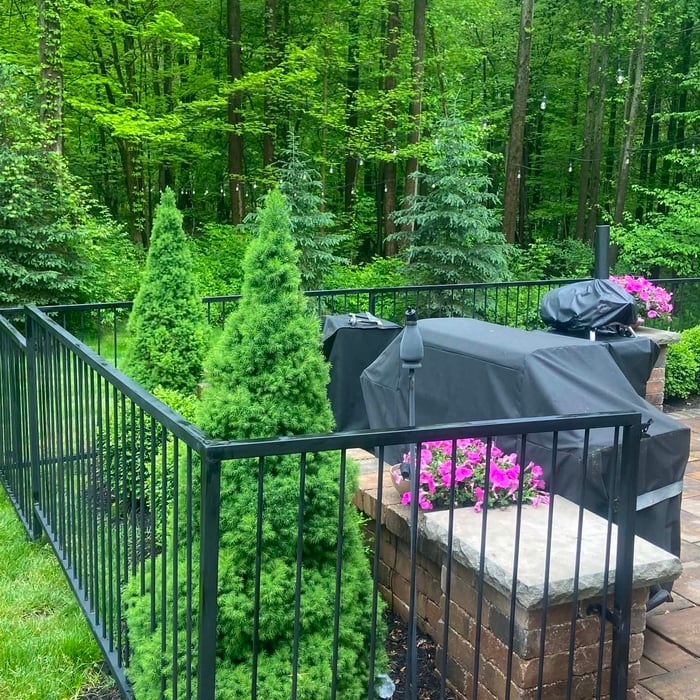
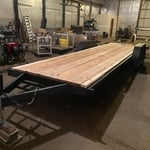
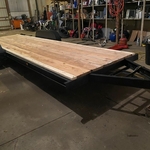
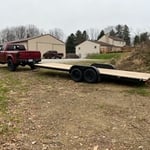
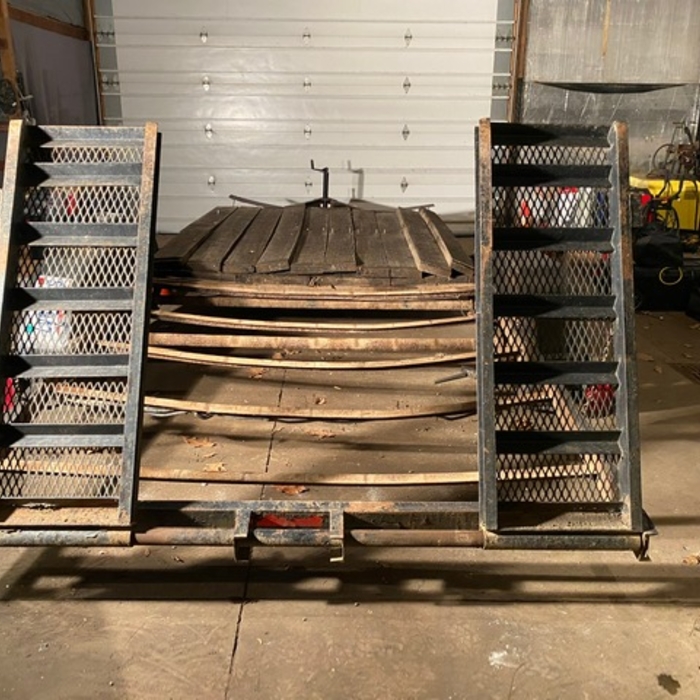
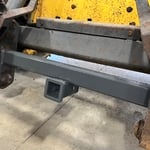
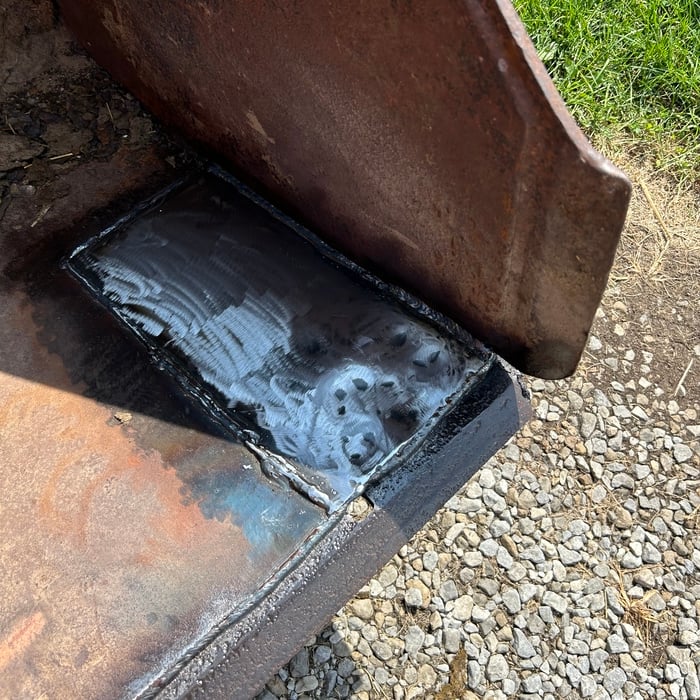
Welding/Fabrication in Northeast, Ohio. Services range far from welding semi frames and trailers, all the way to in-home repairs and products. We have a large shop to accommodate all your needs, and mobile welding is available when that isn't an option. Quality is a guarantee when you come to us, you can count on our welds to last.

Rebuild/refurbish
Rebuild/refurbish
Rebuild/refurbish
Repair
Repair

+13

Response time2 days
Recommended by100%of homeowners
Avatar for Boal Construction
Boal Construction
3.9(
11
)

Serving Streetsboro, OH and surrounding areas

Approved

In business since 2009

Free estimates

Emergency services offered

"Nice group of guys that do very good work. I'm out of the area now, but if they ever service my location and I needed something, I wouldn't hesitate to use them again."
Kitchen
Kitchen
Kitchen
Basic Kitchen
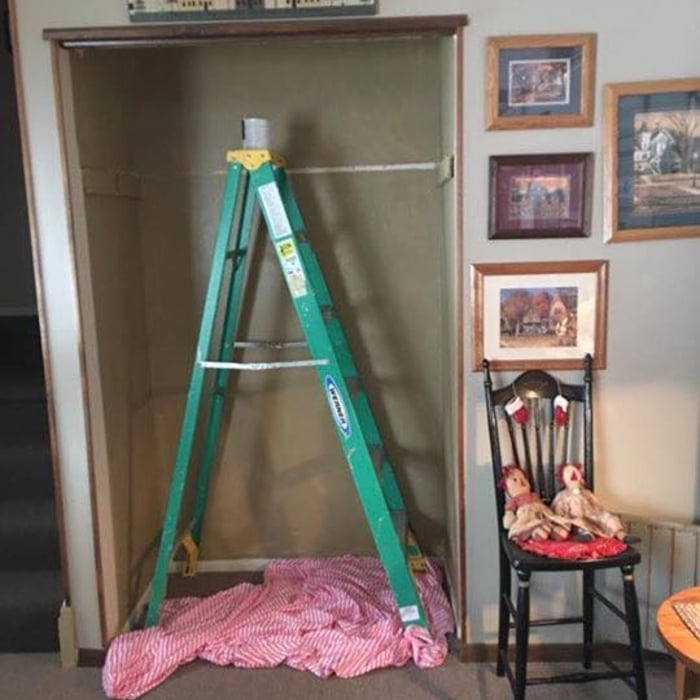
Closet To Bench Conversion

+33

Response time1 day
Recommended by100%of homeowners
...
Showing 1-10 of 83
Welding questions, answered by experts

Welders use a variety of methods in their trade. Different types of welding are better suited for different purposes and contexts. For example, stick welding is a versatile form suitable for most metals and alloys. The most common types of welding include:

  • Stick welding: $100–$1,000

  • Metal Inert Gas (MIG) welding: $250 and up

  • Tungsten Inert Gas (TIG) welding: $250 and up

  • Gas welding: $150 and up

  • Forge welding: $15–$25 per hour

Yes, you can use a saw to cut metal pipes. The best saw to use is a reciprocating saw, but even a fine-tooth hacksaw can get the job done. No matter which saw you use to cut metal pipes, wear protective gear, like work gloves, safety goggles, and ear plugs. Apply a firm, steady pressure to the tool, and always ensure the pipes are secured so they don't move while you make the cuts.

Cutting rectangular ductwork requires careful measurements and the right technique. Use a measuring tape and pencil to mark the cutting lines accurately. Tin snips are excellent for straight cuts on smaller ducts. For more extensive or thicker rectangular ducts, a reciprocating saw with a metal-cutting blade is effective. 

Ensure the duct is well-supported and secure while cutting to prevent wobbling and maintain precision. After cutting, use a metal file to smooth any sharp edges, ensuring safety during installation. 

There are a few things you can ask welders before you hire them to get an idea of their experience and ability levels:

  • Are you licensed and certified?

  • How long have you been in the welding business?

  • Do you commonly do the type of welding I need?

  • Do you offer any kind of warranty for your work?

  • Do you charge by the hour or by the project?

  • How long do you expect my welding project to take?

  • What steps do you take to minimize errors in your work?

Cutting round ductwork requires precision and the right tools. A duct cutter, specifically designed for circular ducts, is ideal. First, mark the cutting line on the duct using a measuring tape and pencil. Then, position the duct cutter's blade on the marked line. Apply steady pressure, rotating the cutter around the duct. The sharp blade creates a clean, precise cut. Alternatively, a reciprocating saw with a metal-cutting blade can be used for larger round ducts. Ensure the duct is securely held in place while making the cut to prevent slips and maintain accuracy.

The Streetsboro, OH homeowners’ guide to welding services

From average costs to expert advice, get all the answers you need to get your job done.