
Top-rated radon detection and reduction specialists.

Get matched with top radon detection and reduction specialists in South Point, OH

Enter your zip and get matched with up to 5 pros

Need a pro for your radon detection and reduction project in South Point, OH?

Select your specific project to find the pro for you.

Find Radon detection and reduction specialists in South Point

Avatar for Tri-State Smart Home Solutions, LLC
Tri-State Smart Home Solutions, LLC
4.9(
39
)

Serving South Point, OH and surrounding areas

In business since 2018

Credit card accepted

"Very professional and courteous company. Chris was quick to respond, complete inspection and provide report. He answered all of our questions and provided a thorough report. I highly recommend!"
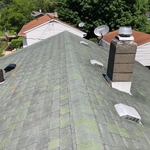
Roof Inspection
Roof Inspection
Porch Railing
Electrical in Garage
Water Heater

+10

Response time8 hrs
Recommended by97%of homeowners

Radon Detection and Reduction questions, answered by experts

No level of radon is technically safe, but since it is naturally present everywhere, it is impossible to avoid entirely. The average radon level in homes across the United States is 1.3 picocuries per liter (pCi/L). The Environmental Protection Agency (EPA) recommends taking action to reduce radon levels if your home's test results are between 2 and 4 pCi/L or higher.

Testing every 2-5 years or upon adjusting occupancy or structural changes maintains safe environments.

Radon is present almost everywhere but, like sunlight, the concentration levels and how often you are exposed to it have a large part to play in just how dangerous it is. There are levels of radon that are acceptable inside a house, but above a certain limit, radon becomes a serious radioactive hazard that is a known cause of lung cancer. In fact, radon exposure is the number two leading cause of lung cancer (after smoking).

Installing a mitigation system reduces radon levels, which can cause lung cancer, providing peace of mind and long-term health benefits. It can also increase your home’s value, as many buyers prefer properties with radon safety measures in place. The investment is relatively low compared to the potential health risks associated with prolonged radon exposure.

Ideally, no one will live in a house with elevated radon levels, as prolonged exposure increases the risk of serious health issues like lung cancer. However, homes with radon can be made safe through mitigation systems, such as active soil depressurization. Testing for radon regularly and addressing high levels helps ensure a safe living environment.

The South Point, OH homeowners’ guide to radon detection and reduction services

From average costs to expert advice, get all the answers you need to get your job done.