




Top-rated radon detection and reduction specialists.

Get matched with top radon detection and reduction specialists in Coal Grove, OH

Enter your zip and get matched with up to 5 pros

Need a pro for your radon detection and reduction project in Coal Grove, OH?

Select your specific project to find the pro for you.

Find Radon detection and reduction specialists in Coal Grove

Avatar for Tri-State Smart Home Solutions, LLC
Tri-State Smart Home Solutions, LLC
4.9(
39
)
Radon Gas - Testing

Serving Coal Grove, OH and surrounding areas

In business since 2018

Credit card accepted

"Very professional and courteous company. Chris was quick to respond, complete inspection and provide report. He answered all of our questions and provided a thorough report. I highly recommend!"
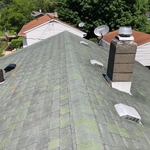
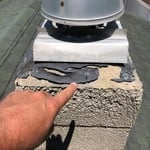
Roof Inspection
Roof Inspection
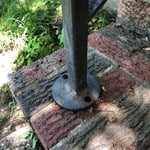
Porch Railing
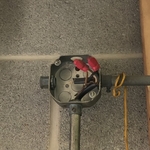
Electrical in Garage
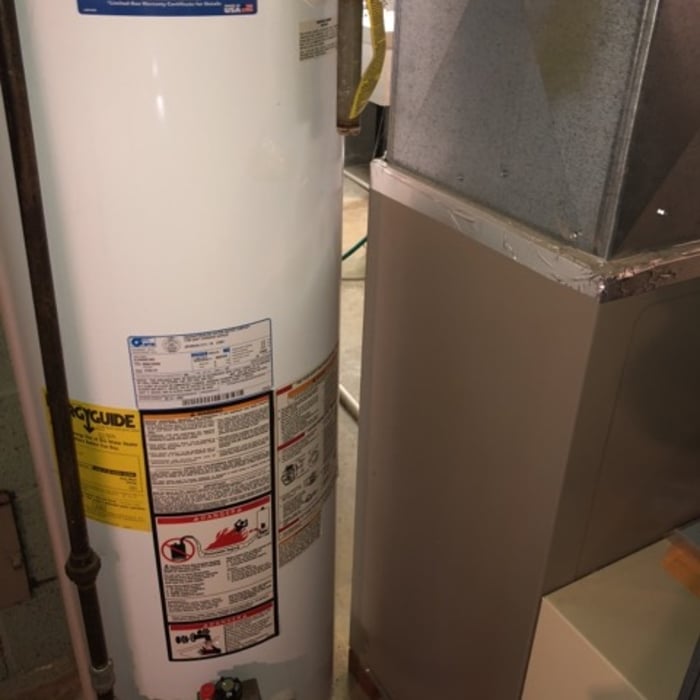
Water Heater

+10

Response time8 hrs
Recommended by97%of homeowners

Radon Detection and Reduction questions, answered by experts

The average radon mitigation system uses about 876 kWh of electricity per year, although the exact amount of electricity used will vary depending on the size of the radon fan. Once the system is installed, the annual increase to your energy bill could range from $30 to $300 per year, again depending on the size of the fan.

The fan that pulls the radon out of the air needs to run continuously, so you may see an increase in your electric bill once you install the mitigation system. Additionally, you may see an increase in your heating or cooling bills, as the fan can cause some loss of hot or cool air.

No, air purifiers are not an effective way to reduce or remove radon. Radon is a radioactive, inert gas that cannot be filtered by standard air purifiers, which are designed to capture particulates like dust and mold. While an air purifier can improve indoor air quality by removing other pollutants, it should not be relied upon for radon. The only effective solution for high radon levels is a dedicated radon mitigation system.

The cost for a radon mitigation system typically ranges from $800 to $1,500, with an average around $1,000. The final price depends on several factors, including the size of your home, the severity of the radon issue, and the type of system required. Your home's foundation type also significantly impacts the cost. For example, sealing and ventilating an unfinished basement might cost around $4,600, while encapsulating a crawl space without a foundation slab can range from $1,500 to $15,000.

Many radon fans carry a five-year manufacturer's warranty. That said, your radon fan should last between five and ten years. Regular inspections will ensure the fan is operating properly. Unusual or exceptional noise coming from the fan or indications on your manometer or system monitor can immediately tell you that something is amiss.

The Coal Grove, OH homeowners’ guide to radon detection and reduction services

From average costs to expert advice, get all the answers you need to get your job done.