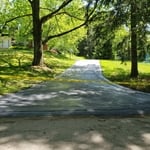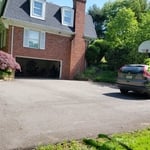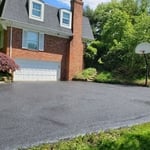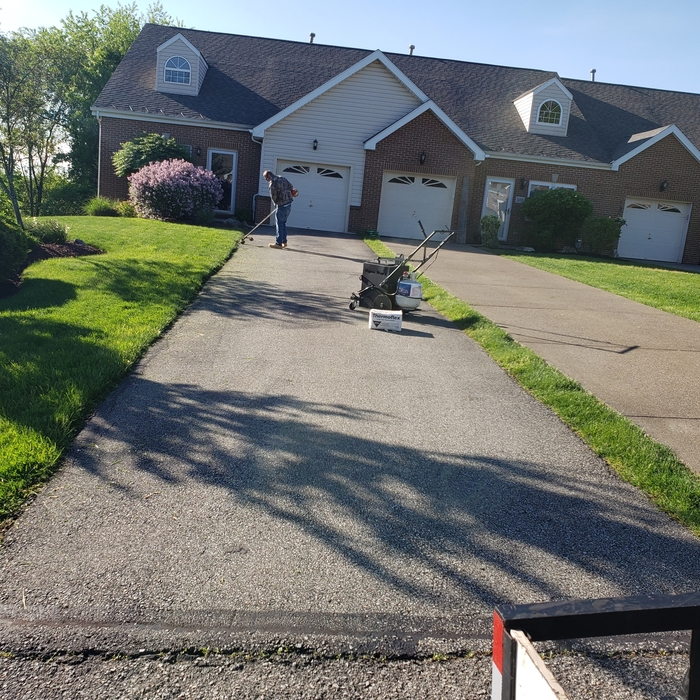





Top-rated paving pros.

Best paving pros near Richmond, OH

Enter your zip and get matched with up to 5 pros

Need a pro for your paving service project in Richmond, OH?

Select your specific project to find the pro for you.

Top-Rated Paving pros in Richmond - Updated Nov 2026

Avatar for TCB Paving LLC
TCB Paving LLC
4.3(
79
)
Asphalt Paving - InstallAsphalt Paving - Install- For Business

Serving Richmond, OH and surrounding areas

Approved

Super Service Award Winner

In business since 1989

Free estimates

Warranties offered

"They communicated with us well on when the job would be done, obtained proper permits, and completed the projected on time. All of the guys were pleasant and things were done to our standards. Will definitely recommend to others and hire in the future if we have other paving projects! Thank you for the top notch service!!!"
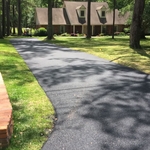
Asphalt
Paving
Blacktop
A
B

+8

Response time2 days
Response rate87%
37 neighbors recently requested a quote
Avatar for Kline Home Exteriors & Restorations
Kline Home Exteriors & Restorations
4.8(
28
)
Gravel or Loose Fill Paving - Install, Spread or Scrape

Serving Richmond, OH and surrounding areas

In business since 1992

Free estimates

Emergency services offered

"Excellent Service. Mr. Knox communicated everything up front and was very knowledgeable. He went above and beyond to make sure that my elderly mother's roof was repaired properly. From start to finish I would give him an A+ on all facets of his communication and the company's workmanship. Go with them, you won't be disappointed."
Additional Photos
Additional Photos
Additional Photos
Additional Photos
Additional Photos

+37

Recommended by96%of homeowners
Showing 1-10 of 26
Paving Services FAQs, answered by experts

While blacktop is a type of asphalt, the terms should not be used interchangeably, as not all asphalt qualifies as blacktop. The primary differences are in their composition, production process, and ideal applications. Blacktop contains more stone than other types of asphalt and is heated to a higher temperature during production—300°F or more—while hot-mix asphalt is heated to between 275°F and 300°F. The ratio of bitumen (a tar-like crude oil) is a key differentiator, though sources vary: some state blacktop has less bitumen, making it less durable, while others claim it has a higher ratio. Due to these differences, asphalt is generally more durable and better for high-traffic areas like highways and streets, while blacktop is more suitable for playgrounds and residential driveways. For a driveway project, it is best to consult a professional to determine the most appropriate material.

Yes, but it's best to kill off the grass with solarization and remove the dead plant matter before laying down the pavers. This helps limit the chance of your pavers shifting as the dead plant matter decomposes.

The dimensions of a driveway apron vary based on local building codes, the width of your driveway, and the distance between the driveway and the road. On average, aprons range from 12 to 24 feet wide and 8 to 18 feet long. Typically, the end of the apron connected to the driveway matches its width—such as 10 to 12 feet for a single-car driveway—while the end at the street flares out to allow cars to turn in and out more easily. In some areas, you may not be responsible for the portion of the apron that extends beyond the sidewalk, but this depends on local laws.

The answer to whether or not you need to get a permit before you start your driveway can vary widely based on local ordinances and the scope of your driveway ideas. In most urban and suburban areas, a permit is needed before building a new driveway to ensure that a homeowner is using safe materials and proper drainage practices while designing and constructing a new driveway. In some rural areas, a homeowner may not be required to apply for a permit. When building a new driveway on your own, always check with your local building department to see if you need to request a permit. When hiring a driveway contractor, verify that the right permits are being used before driveway construction begins.

Wet cutting is usually the preferred method. It controls dust, which helps protect your lungs and makes for a cleaner working environment. Plus, the water cools the blade, preventing overheating and prolonging its life while providing smoother, more precise cuts. The downside is the mess—water and asphalt sludge can be messy to clean. Dry cutting, though convenient if water isn’t available, creates a lot of dust, which can be harmful. This also increases the risk of blade damage due to overheating. So, if you have the option, wet cutting is the better method for most asphalt jobs.

The Richmond, OH homeowners’ guide to paving services

From average costs to expert advice, get all the answers you need to get your job done.