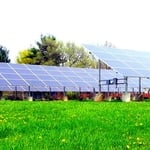
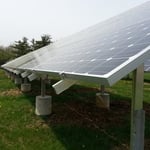
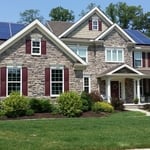
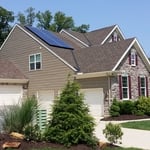
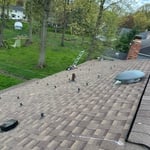
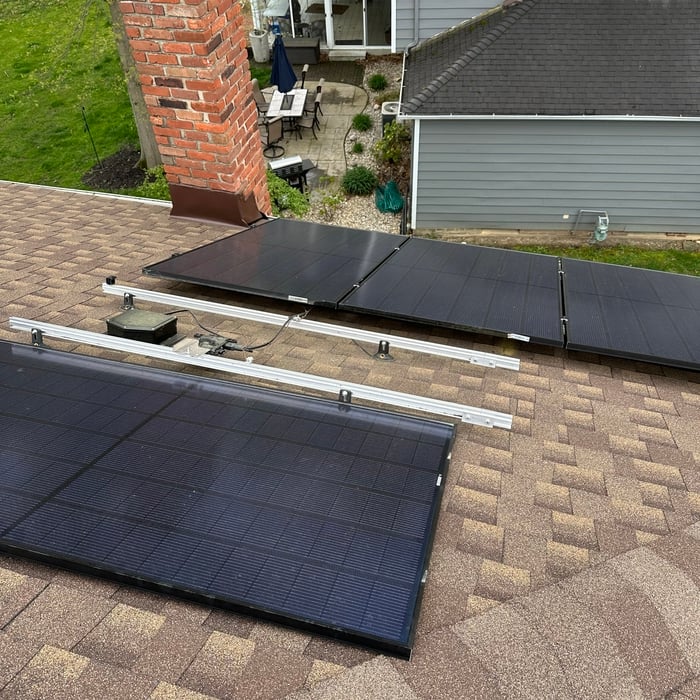
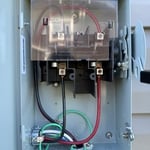
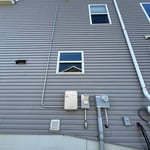
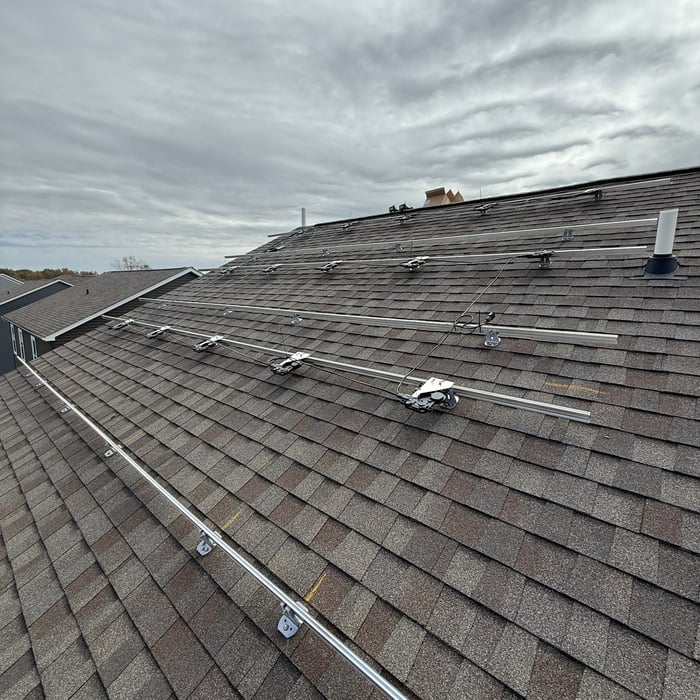
"Yellowlite did a great job. They were competitive against other solar installers, and then offered an end of the year discount that made them the winning bid. Gross cost was $2.53/W, and I will get 26% back as a tax credit. It took ~8 weeks from signing contract to install, and installation took 3 days for the electrician, 1 day for rooftop crew. They were very flexible and great to work with. For example, instead of routing conduit on the roof to connect two separate panel sections, I asked them to go through the attic, and they made the change without a second thought. The quality was great, and the electrician took his time to make the installation look good. The city inspector didn't spend much time looking at the system once he knew it was YellowLite--he was already familiar with their quality. Although the final 20% was earned for them upon startup, I did have to chase down permitting status with the utility, but only lost 1.5 weeks of solar (in cloudy February)."
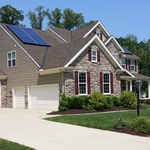
"YellowLite installed my solar system (36 panels, 91% of my energy requirements) in mid-Feb 2020. I have not paid a utility bill since then, and still have a $500 credit on my net metering. Not bad for an all-electric tri-level home, where I keep the AC set on 72F all summer..... I used the EnergySage website to gather quotes and do my research. Of the four quotes (one outside of EnergySage), YellowLite was the best system in terms of energy generation, as well as least expensive by a wide (about 20K) margin. The installation crew were very efficient and professional, as were all the folks who were involved in the project planning, surveys and service initiation. Communication was a bit spotty before project installation, but things really took off from there and I honesty cannot recommend YellowLite highly enough. Installation took less than one day. The SolarEdge app lets you see exactly what your system is generating every hour of every day. It's so wonderful to wake up every day and know I did something wonderful for Mother Earth, and it's paying me personal dividends as well. Even on an overcast November day, my system is producing SOLAR ENERGY. And if you do your research, you will likely find that if you need financing to go solar, your monthly loan payments will be about the same as you are currently paying to your energy provider; the difference is when your loan payments are completed, you will have FREE ENERGY for years to come. If you are thinking of a solar system, DON'T WAIT!! Your free electricity and your solar energy tax credit (22% in 2021) are waiting!!"
"Pipes and pipes were OK. Problem was leaky fixtures . Silicon was put on fixtures and sealed. Problem was fixed. Water no longer leaks to my basement."
"I have first hand knowledge of what it’s like to work with Equinox Solar. The owner is personable and very knowledgeable. His team, top notch professionals who showed up on time and got the job done in a timely fashion. I would absolutely recommend this company, and I even plan to work with them further in the future."
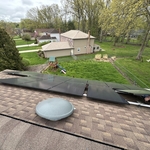
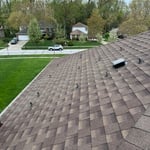
"Tre did a phenomenal job installing our solar panels. It was snowing and freezing the day he came out and he worked nonstop for over 10 hours to get the instalation complete. We officially passed our inspection. Im so pleased with the quality of work."
"The whole process was great! My family and I were very pleased with the friendly service. On top of all that, fantastic results with the installation of the solar panels."
"I was very impressed with the installer who was sent. He mounted the dish without drilling through my new roof, which might have voided my roof warranty, Also, he mounted the dish in a location where it is easy for me to brush the snow off it in winter. I appreciate his knowledge and thoughtfulness. Also, they didn't charge me to re-install the dish."
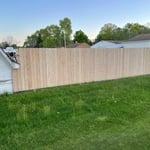
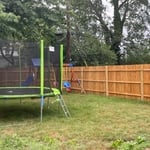
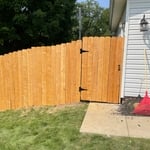
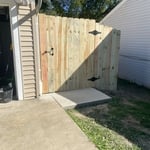
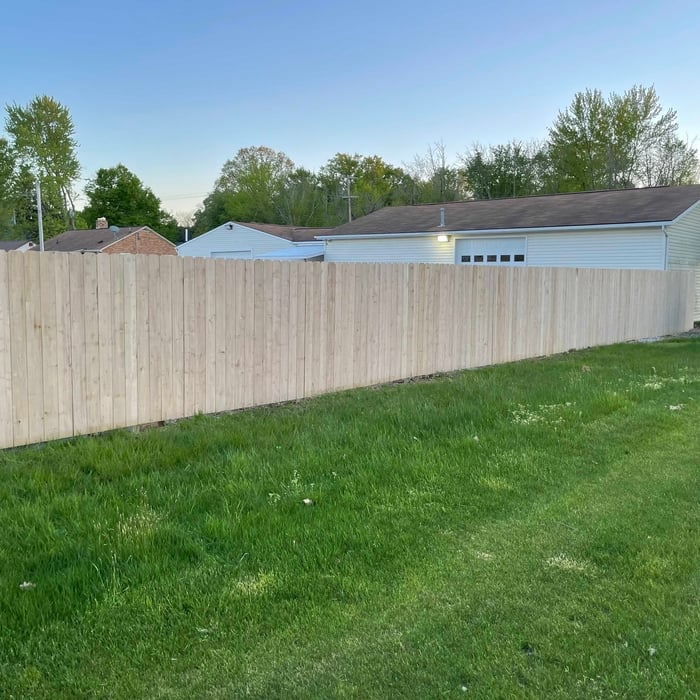
"Anthony and his crew were able to fit us in quickly, and worked creatively to find solutions to supply chain issues when standard fence panels that matched our fence weren't in stock locally. I would gladly hire them again."
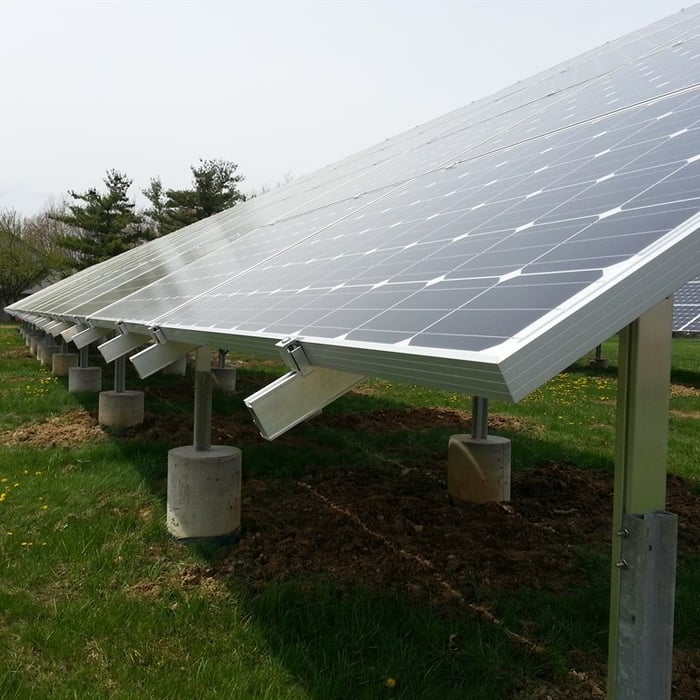
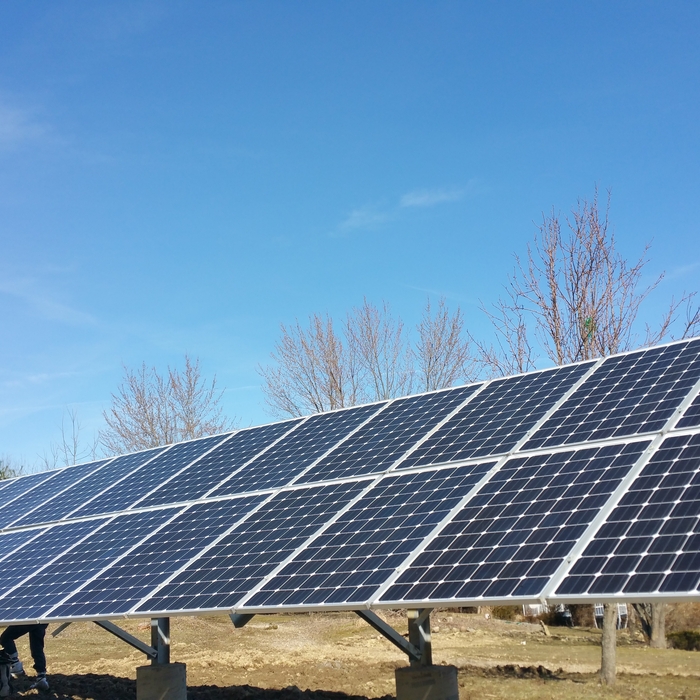
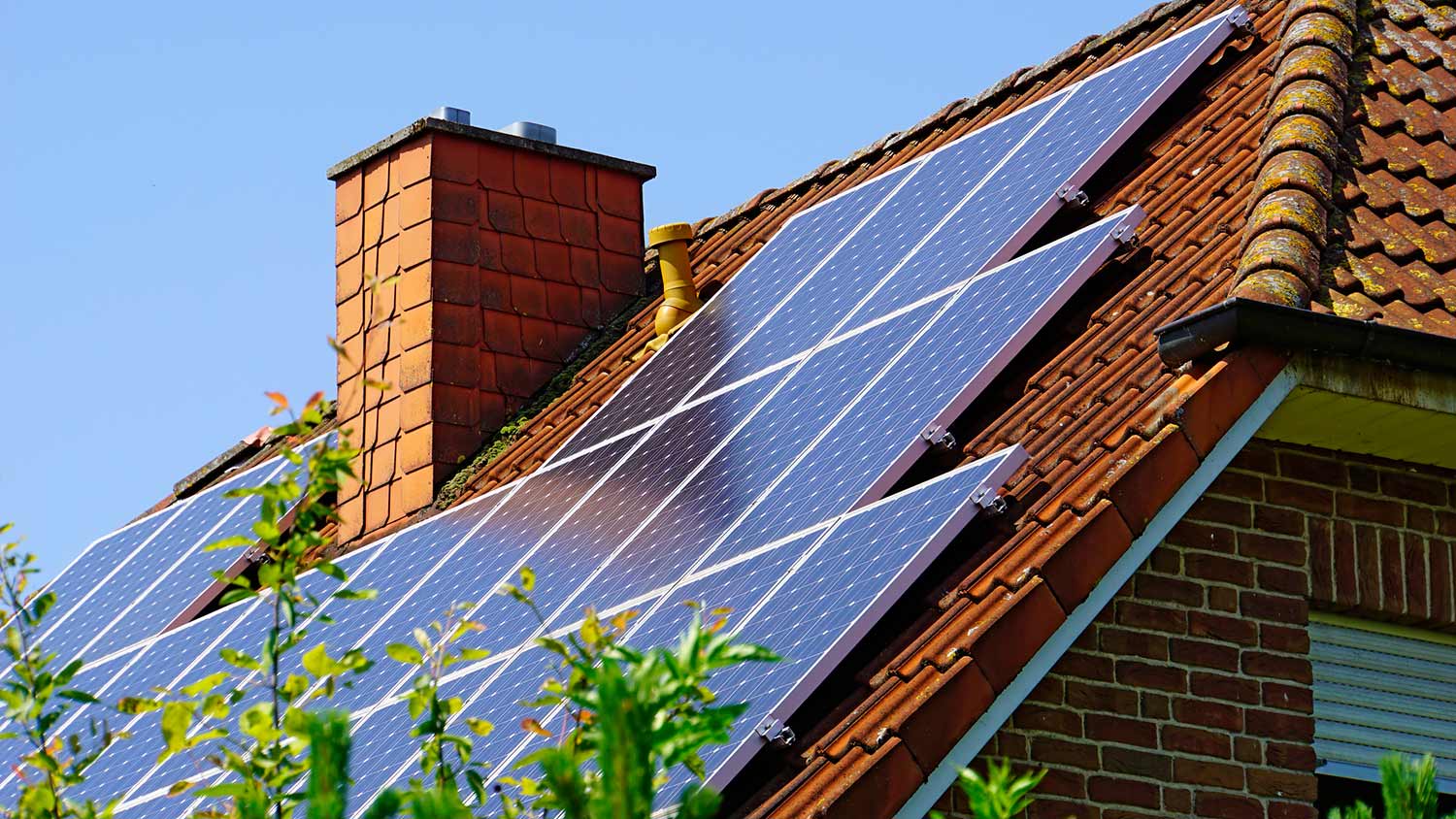
The best solar-panel mounting system will depend on your property layout, but you’ll typically want to try for south-facing panels to get the most sun. Roof mounting and wall mounting are both popular, but if your well setup is far away from buildings and other structures you can also set up a freestanding aluminum frame to mount your panels.
Yes, a solar panel can power a TV without a battery, but only if the sun is shining and the panel is generating enough energy. Your solar panel and TV must have the same voltage, and you should install a charge controller and inverter between them so power surges don’t destroy your TV. To watch TV at night, in the early morning and late afternoon, and on cloudy days, your home must be tied to the power grid.
In almost every case, solar panels need to be removed to replace roof shingles. In some cases, such as solar installations where the panels are on raised platforms above the roof surface, installers may be able to install new shingles without removing the solar installation. However, to get a quality roofing installation, panels need to come off. Most roofing contractors won’t remove or reinstall solar panels as part of a roofing project, so you’ll need to contact your solar provider.
Solar shingles and solar panels are not the same. While solar shingles use the same technology as traditional solar panels, they integrate with your existing roof. That means they are used to build your roof instead of simply resting on top of it. When comparing solar shingles and solar panels, it's helpful to know that solar shingles are more aesthetically pleasing than solar roof panels. They also do better in harsh weather due to limited uplift from strong winds.
The average cost to install solar panels is around $27,000, with most homeowners paying between $4,500 and $54,000. These prices don’t consider the federal investment tax credit (ITC), which can reduce costs by up to 30%. The final price depends on several factors, including the size of the system needed to offset your energy consumption, the amount of sunlight your home receives, your geographical location, the type and brand of panels, labor costs, and any add-on products like solar batteries or electric vehicle (EV) chargers. It is recommended to get price quotes from at least three solar companies in your area to find the best deal.
The Poland, OH homeowners’ guide to solar panel services
From average costs to expert advice, get all the answers you need to get your job done.
Find out how much it costs to remove solar panels, including average prices, key cost factors, and tips to save money on your solar panel removal project.
Discover solar panel maintenance costs, including average prices, cost factors, and tips to save, empowering you to keep your solar system running efficiently.
There are three types of solar panels: monocrystalline, polycrystalline, and thin-film. Before choosing one for your home, here are the pros and cons of each.
If you’re making the switch to solar energy, you’ll want to know the difference between solar panels versus solar shingles. Here are the pros and cons of each.